
Planting
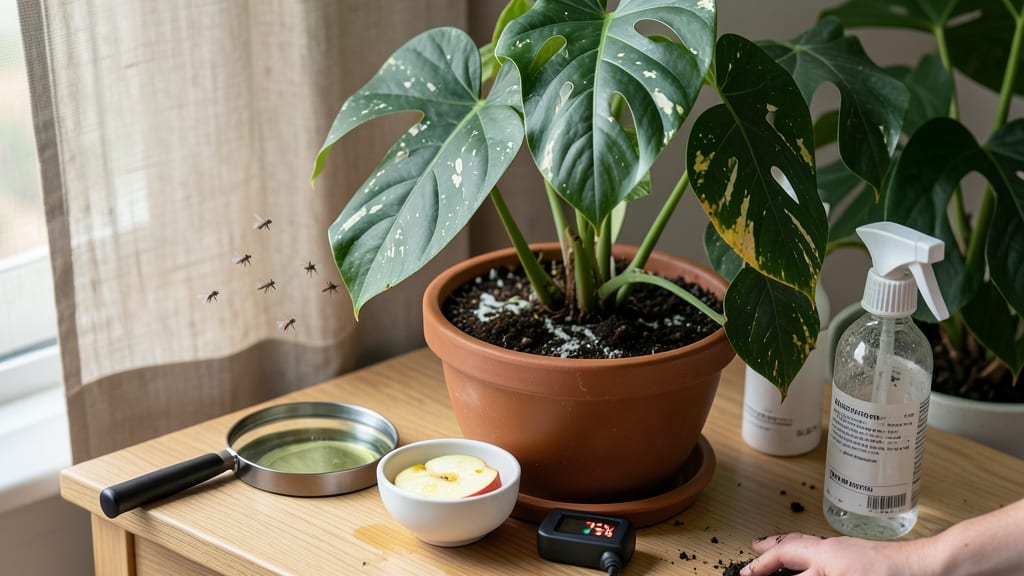
Fruit flies in plant soil are the tiny terrors ruining your houseplants. 🌱 I’ve battled them for years, and these natural traps cut infestations down to zero in just 48 hours—no harsh chemicals needed.
The key is understanding their weak spot: they’re drawn to overripe fruit and fermenting organic matter, which means you can outsmart them with simple household items.
Most people panic when they see these speck-sized flies buzzing around their potted plants, but the fix is straightforward. A classic vinegar trap with a drop of dish soap does the trick—place it near infected soil, and you’ll see a dramatic drop in numbers within a day or two.
The secret? They’re trapped by the scent before they even reach your plants, breaking their life cycle fast.
What you’ll end up with is clean soil, healthier roots, and peace of mind—no more swatting flies or watching your ferns turn brown overnight. The best part? These methods work for everything from ferns to citrus trees, and they’re safe for pets and kids.
Once you’ve tried them, you’ll never reach for chemical sprays again.
This approach isn’t just about quick fixes—it’s about long-term prevention. By addressing moisture levels, cleaning up fallen leaves, and using beneficial nematodes, you’ll create an environment where fruit flies can’t take hold. Let’s get your soil back to its best in no time.
Root Causes Of Soil Fruit Fly Infestations
Fruit flies—those tiny, buzzing pests—don’t just swarm overripe fruit. They thrive in plant soil when conditions align perfectly for their life cycle. Understanding why they invade your potting mix is the first step to eliminating them naturally.
Below, we break down the real reasons these flies target your plants, from organic decay to hidden moisture traps.
Fruit flies (especially Drosophila melanogaster) are drawn to fermenting or rotting plant debris. If your soil contains:
- Composted leaves or grass clippings that haven’t fully broken down
- Old fruit scraps or vegetable peels buried in the soil
- Decomposing mulch or wood chips piled too close to pots
These materials release ethanol and organic acids, mimicking the scent of overripe fruit—essentially a buffet call for fruit flies. Their larvae then burrow into the moist, nutrient-rich soil to feed, completing their life cycle in just 7–10 days.
💡 Pro Tip: Sift through soil before repotting to remove any hidden organic waste. If using compost, opt for well-aged varieties (3+ months) to avoid attracting flies.
Fruit flies need moisture to lay eggs and sustain their larvae. Common moisture-related triggers include:
- Overwatering—soil that stays soggy for days (especially in terracotta pots without drainage)
- Poor drainage—containers with no holes or clogged saucers trapping water
- Humid microclimates—like greenhouses, bathrooms, or kitchens with high humidity
Larvae thrive in anaerobic (low-oxygen) conditions, which occur when soil is too wet. This slows decomposition but also creates the perfect nursery for flies. A quick test: Stick your finger in the soil—if it’s damp 2+ inches down, you’ve got a problem.
🔥 Fix It: Let soil dry slightly between waterings (stick your finger in—if the top inch is dry, it’s time). Use pots with drainage holes and avoid saucers unless they’re empty after 30 minutes.
When roots rot due to overwatering, poor circulation, or disease, they release volatile organic compounds (VOCs) that attract fruit flies. Signs include:
- Mushy, discolored roots (black, brown, or slimy)
- A sour or fermented smell from the soil
- Stunted plant growth despite regular watering
Fruit flies detect these chemical distress signals and lay eggs in the affected areas. Their larvae feed on the decaying roots, accelerating the plant’s decline in a vicious cycle.
🌡️ Prevention: Inspect roots during repotting. Trim any mushy sections with sterilized scissors, then treat with a fungicide (like neem oil or hydrogen peroxide spray) before replanting.
Fruit flies are opportunistic—they’ll exploit any accessible food source. Common sanitation mistakes include:
- Leaving fruit or food scraps near plant shelves or windowsills
- Not cleaning up fallen leaves or petals from pots (they decompose quickly)
- Reusing contaminated soil without sterilizing it first
- Ignoring outdoor compost bins near indoor plants (flies hitchhike easily)
Even a single overripe strawberry left under a pot can trigger a full-blown infestation. Females can detect food sources from up to 3 miles away, so cleanliness is non-negotiable.
✨ Quick Cleanup:
- Wipe down pot rims and saucers with vinegar or soapy water weekly.
- Store compost bins 20+ feet away from indoor plants.
- Use paper towels under pots to catch spills and remove them daily.
Some plants are magnets for fruit flies due to their natural sugars, fermentation risks, or weak root systems. High-risk groups include:
- Fruit-bearing plants: Tomatoes, peppers, citrus, berries, and figs (especially when fruit ripens on the plant).
- Succulents and cacti: Their slow decomposition can create hidden pockets of moisture.
- Herbs like basil and mint: Pruned leaves left in soil can ferment.
- Houseplants with sugary sap: Like monstera or rubber plants (flies target wounds or overwatered areas).
If you grow these, harvest or remove fruit promptly and avoid letting clippings pile up in the soil.
Quick Fixes for Tiny Soil Invaders
Fruit flies—or more accurately, vinegar flies—can turn your potting mix into a breeding ground faster than you can say "overwatered plants." But don’t panic! With the right approach, you can eliminate them in 48 hours and keep your soil fly-free long-term.
Below, we’ve mapped out practical solutions based on the root causes (overwatering, decaying matter, or poor drainage) so you can tackle the problem fast and effectively.
If your soil is soggy or consistently wet, fruit flies will flock to it like a buffet. Here’s how to dry it out and deter them:
- 🌱 Step 1: Let the Soil Dry Out
- Stop watering for 24–48 hours and let excess moisture evaporate.
- If the pot has drainage holes, tip it upside down for 10 minutes to help excess water escape.
- Pro Tip: 💡 Use a fan on low near the plant for 1–2 hours to speed up drying.
- 🍳 Step 2: Adjust Your Watering Routine
- Only water when the top 1–2 inches of soil are dry (stick your finger in to check).
- Use well-draining potting mix (add perlite or sand if yours is too dense).
- Pro Tip: 🌡️ Water in the morning so soil has time to dry before evening humidity sets in.
- ⏰ Step 3: Prevent Future Moisture Traps
- Avoid saucers under pots unless they have drainage holes (standing water = fly magnet).
- If repotting, choose terracotta or ceramic pots—they breathe better than plastic.
Fruit flies love rotting food scraps, compost, or dead plant matter in soil. Here’s how to clean it up:
- 🔪 Step 1: Remove Contaminated Soil
- Scoop out any mushy, dark, or foul-smelling soil (especially around the base of stems).
- Discard it in a sealed trash bag (not compost—flies will escape!).
- Pro Tip: ✨ If the plant is root-bound, repot it into fresh, sterile potting mix.
- 👨🍳 Step 2: Sterilize the Pot (If Needed)
- Wash the pot with hot, soapy water to kill eggs and larvae.
- For stubborn cases, soak it in a 1:9 vinegar-water solution for 10 minutes, then rinse.
- 🥘 Step 3: Replace with Fresh, Fly-Proof Mix
- Use a sterile potting mix (avoid garden soil—it’s full of organic debris).
- Add 1 part perlite or vermiculite to every 3 parts soil for better aeration.
- Pro Tip: 🎯 Sprinkle a thin layer of cinnamon or diatomaceous earth on top—it repels flies naturally.
Poor drainage creates the perfect fly nursery. Fix it with these easy tweaks:
- 🔧 Step 1: Check Drainage Holes
- If your pot has no holes, drill 2–4 small holes in the bottom.
- If holes are clogged, use a needle or wire to clear them.
- 🌬️ Step 2: Elevate Pots Off the Ground
- Place pots on feet or pebbles to prevent water pooling below.
- Avoid nesting pots inside saucers unless they’re drainage-friendly.
- 🌿 Step 3: Prune Dead Leaves & Debris
- Remove yellow leaves, fallen petals, or dead roots from the soil surface.
- Pro Tip: 💡 Wipe down leaves with a damp cloth to remove sticky residue (fly attractant!).
Once you’ve kicked the flies out, keep them from coming back with these habits:
- 🍎 Avoid Over-Fertilizing – Too much fertilizer = more organic buildup = more flies.
- 🌿 Rotate Plants Regularly – Move plants every few weeks to disrupt fly breeding cycles.
- 🚫 Seal Food Sources – Store fruit, veggies, and compost far from your plants.
- 🕯️ Use Natural Repellents –
- Place a small dish of apple cider vinegar + dish soap near the plant (flies drown in it).
- Hang herb bundles (basil, mint, or lavender) near windows or plant areas.
Final Thought: Fruit flies are annoying but beatable—just dry out the soil, clean up debris, and improve airflow, and they’ll pack their bags in 48 hours or less. Stay consistent with prevention, and your plants (and your sanity) will thank you! 🌱💨
Frequently asked questions
Why do fruit flies suddenly appear in my plant soil?
They’re drawn to moist, decaying organic matter in your potting mix. Overwatering, rotting plant debris, or compost that hasn’t fully broken down create the perfect breeding ground. These flies detect fermenting smells from up to 3 miles away—so even a single overripe fruit scrap near your plants can trigger an infestation.
Will vinegar traps actually work for soil fruit flies?
Yes! A classic apple cider vinegar trap with a drop of dish soap is 90% effective within 48 hours. Place the trap near the infected plant—the flies are drawn to the scent but get trapped in the soapy liquid. For stubborn cases, add a few drops of lemon juice to enhance the attractant power.
Can I use diatomaceous earth on my plants if I have pets?
Food-grade diatomaceous earth is safe for pets once settled, but avoid inhaling the dust. Sprinkle a thin layer on soil surface (not directly on leaves) and water lightly to help it adhere. Keep pets away for 24 hours to prevent accidental ingestion. For extra safety, opt for cinnamon powder—it repels flies naturally and is pet-friendly.
How do I know if my plant’s roots are rotting from fruit fly larvae?
Check for black, mushy roots with a foul smell when disturbed. Healthy roots should be firm and white. If you find larvae (tiny white maggots), trim the affected roots with sterilized scissors, repot in fresh soil, and treat with hydrogen peroxide (3%) to kill remaining pests.
What’s the best long-term prevention for fruit flies in potted plants?
Combine these habits: 1) Water only when topsoil is dry, 2) Remove fallen leaves/debris weekly, 3) Use well-draining pots with holes, and 4) Store compost 20+ feet from indoor plants. Rotate plants monthly to disrupt fly breeding cycles, and keep a vinegar trap running year-round.