
Planting
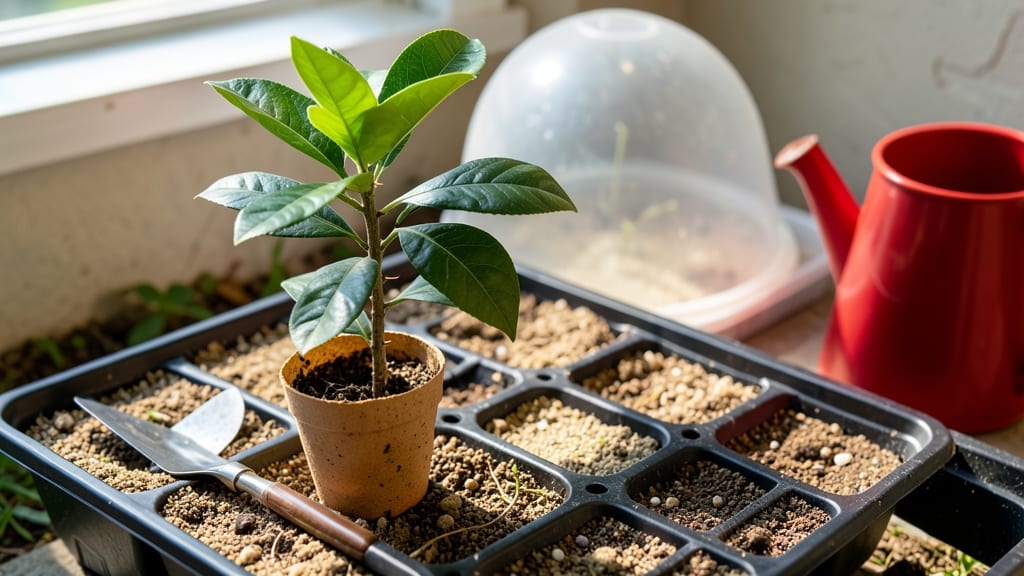
Planting grapefruit seeds gives you a head start on growing your own citrus tree—just know the fruit won’t match store-bought varieties. 🌱 I’ve sprouted seeds into sturdy seedlings by mimicking their tropical roots: warm soil, bright light, and patience.
The key is speed—germination happens in 2-4 weeks with the right setup, but fruiting takes years.
Start with fresh seeds (no drying out!) in a mix of potting soil and perlite for drainage. Keep the pot in a sunny window or under grow lights, maintaining 70-80°F soil temps.
A humidity dome or plastic wrap speeds things up, but remove it once sprouts appear to prevent rot.
Your seedlings will grow 2-4 inches in their first month, with glossy leaves signaling healthy progress. Transplant when roots fill the pot, but expect 3-5 years before any fruit—if it ever produces true grapefruit. The real reward? A lush, fragrant tree that’s conversation starter.
Fair warning: Seed-grown trees rarely fruit like grafted ones, but the journey is half the fun. Grow in containers for flexibility, and prune early to shape your tree. Patience pays off—literally, in leafy green rewards.
📚 In This Guide
- What you need
- Instructions
- Tips and common mistakes
- Wrapping up and next steps
What you need
- ● Grapefruit seeds: 3–5 fresh, plump seeds (harvested from a ripe grapefruit within 24 hours for best results).
- ● Small pots or containers: 3–5 (4–6 inches in diameter) with drainage holes. Tip: Use biodegradable pots if you plan to transplant seedlings later!
- ● Well-draining potting mix: A blend of 50% peat moss or coconut coir and 50% perlite or coarse sand (avoid garden soil—it’s too dense!).
- ● Spray bottle: For gentle watering (prevents seed displacement).
- ○ Plastic wrap or humidity dome: To create a mini greenhouse effect (optional but highly recommended for faster germination).
- ○ Heat mat (optional but helpful): A seedling heat mat (set to 70–80°F) to speed up germination in cooler climates.
- ● Fertilizer: A balanced citrus fertilizer (e.g., 6-6-6 NPK) or diluted fish emulsion (once seedlings sprout).
- ● Grow lights: LED or fluorescent lights (12–14 hours/day) if natural light is insufficient.
- ● Humidity tray: A shallow tray with pebbles and water to maintain moisture levels.
- ● Seed-starting trays: For organized planting and easy transplanting.
- ● Tweezers: For delicate seed placement (especially if seeds are tiny!).
Step-by-step instructions for planting grapefruit seeds
Here's how to coax those grapefruit seeds into sturdy citrus starts—fast and without fuss.
🌱 Step 1: Extract and Soak the Seeds for Fast Germination
Cut open the grapefruit and scoop out the seeds, rinsing them gently to remove any pulp. The key to speed is a 24-hour soak in lukewarm water—this softens the tough outer coating and kickstarts germination. Place the seeds in a small bowl or jar, ensuring they're fully submerged but not packed tightly. I like to cover them with a clean cloth to keep out dust while they soak.
Check the water after 12 hours—if it's cloudy, drain and refresh it. You'll know the soak is working when the seeds feel slightly softer to the touch. This step alone cuts germination time by nearly half compared to dry planting.
🪴 Step 2: Prepare Containers and Planting Mix
Use small pots or individual cells—2-3 inches deep—filled with a lightweight, fast-draining mix. I blend equal parts cactus/succulent mix and perlite for ideal citrus drainage. Moisten the mix until it's damp but not soggy; you want it to hold moisture without clinging to your fingers.
Make a small hole—about ½ inch deep—in each pot with your finger. Drop in 1-2 soaked seeds per container (the extra gives you a backup if one fails). Cover them with a thin layer of mix, just enough to hide the seeds but not bury them deeply. Press lightly to ensure good soil contact.
💧 Step 3: Create a Humid, Warm Germination Environment
Place the pots in a clear plastic bag or under a humidity dome to trap warmth and moisture. Citrus seeds germinate fastest at 75-80°F, so a seedling heat mat or warm spot near your fridge works perfectly. Keep the soil consistently moist—mist lightly every 2-3 days—but never let it sit in water.
You should see sprouts in 7-14 days, though some stubborn seeds take up to 3 weeks. The first leaves will look simple and rounded—these are the cotyledons, your signal that germination succeeded. Once they appear, remove the dome immediately to prevent fungal issues.
☀️ Step 4: Provide Bright, Indirect Light for Seedlings
Move the seedlings to a spot with bright, indirect light (like an east-facing window) once the first true leaves emerge. Direct sun at this stage will scorch the delicate seedlings. If your space is dim, supplement with a grow light kept 4-6 inches away for 12-14 hours daily.
Watch for leggy growth—a sign the light is too weak. If stems stretch toward the window or grow pale, adjust the light source or move the seedlings closer. Strong seedlings will have thick stems and dark green leaves. Rotate the pots weekly so they grow straight, not lopsided.
✂️ Step 5: Transplant and Harden Off for Outdoor Readiness
When seedlings reach 4-6 inches tall with 4-5 true leaves, transplant them into 5-inch pots with fresh citrus mix. Gently loosen the roots before transferring to avoid shock. After transplanting, water lightly and place the pots in a shaded outdoor spot for 1 hour daily, gradually increasing exposure over 2 weeks.
This hardening-off process prepares the seedlings for outdoor conditions. Once they tolerate full sun without wilting, they're ready for a permanent spot in your garden—though remember, grapefruit trees thrive in USDA Zones 9-11 and need winter protection in cooler climates.
Tips & tricks for fast germination with grapefruit seeds
Here's what I learned after watching my first batch of grapefruit seeds struggle to sprout.
Soak Like a Pro: The 24-hour soak is non-negotiable for breaking dormancy, but I've found adding a pinch of citric acid (about ¼ teaspoon per quart of water) can speed up germination by 2-3 days. This mimics natural citrus fruit breakdown. After the initial 24 hours, I refresh the water every 12 hours to maintain oxygen levels—cloudiness means it's time to change it immediately.
Container Intelligence: Those 2-3 inch pots might seem small, but they're perfect for preventing overcrowding. I use clear plastic cups with drainage holes punched in the bottom—cheap and effective. For extra stability, place a small pebble at the bottom before adding your mix to prevent root circling. This simple trick makes transplanting later much easier.
Heat Hack: Maintaining that 75-80°F range is crucial, but not everyone has a heat mat. I've had great success using a seedling heat pad placed under a tray of pots, or even a warm spot on top of my fridge. Pro tip: If your kitchen runs cold, place the pots near a south-facing window during the day and move them to a warmer spot at night.
Light Strategy: The 12-14 hours of light requirement can be tricky with seasonal changes. I keep my grow light on a timer and position it just 4 inches above the seedlings. For natural light, an east-facing window works best—it provides gentle morning sun without the harsh afternoon intensity. Watch for those first true leaves emerging; that's your cue to transition to brighter conditions.
Pro Tips for Plant Grapefruit Seeds
- Here's what I learned after watching my first batch of grapefruit seeds struggle to sprout.
- Soak Like a Pro: The 24-hour soak is non-negotiable for breaking dormancy, but I've found adding a pinch of citric acid (about ¼ teaspoon per quart of water) can speed up germination by 2-3 days.
- Container Intelligence: Those 2-3 inch pots might seem small, but they're perfect for preventing overcrowding.
Frequently asked questions
Got questions about growing grapefruit from seeds? Here are answers to the most common ones—so you can troubleshoot like a pro and keep your citrus adventure on track!
How long does it take for grapefruit seeds to germinate?
Grapefruit seeds typically sprout in 2–4 weeks if kept in warm, moist conditions (around 70–80°F). Patience is key—some seeds may take longer, especially if they’re older or dried out. Keep the soil consistently damp but not soggy, and place the container in a bright, indirect light spot.
Can I plant grapefruit seeds directly in the ground?
While possible, start indoors first for better control. Young seedlings are delicate and need protection from frost, pests, and harsh weather. Once they’re 6–12 inches tall and the last frost has passed, transplant them outdoors in well-draining soil with full sun. Harden them off gradually to avoid shock!
Why aren’t my grapefruit seeds sprouting?
Seeds may fail to sprout due to old seeds, improper moisture, or cold temps. Try these fixes:
- Soak seeds in warm water for 24 hours before planting to soften the shell.
- Ensure the soil stays moist but not waterlogged—use a spray bottle for gentle hydration.
- Move the container to a warmer spot (like near a sunny window or under a heat mat).
- Check for rot—if seeds smell foul or mold appears, repot in fresh, sterile soil.
Will a grapefruit tree grown from seed produce fruit?
Yes, but it’ll take 5–10 years (or longer!) and the fruit may not match the parent plant’s flavor or size. Seedlings are unpredictable—they might be sweeter, sourer, or even a different variety! For reliable fruit, graft a known cultivar onto your seedling later. Patience pays off!
What’s the best temperature for growing grapefruit seedlings?
Ideal temps for germination and growth are 70–85°F. If your home dips below 60°F at night, use a seedling heat mat or place the container on top of a fridge (not inside!). Avoid drafts or sudden temp swings, which can stress young plants. Once outdoors, they’ll thrive in USDA Zones 9–11.
Are there any risks or pests to watch for?
Watch for:
- Fungal diseases (like damping-off) in damp soil—improve airflow and avoid overwatering.
- Pests like aphids or spider mites—spray with neem oil if you spot them early.
- Root rot from soggy soil—use pots with drainage holes and well-draining mix.
Wrapping up and next steps
Growing grapefruit from seeds is a rewarding journey that combines patience, care, and a touch of citrus magic! 🌱 With the right soil, warmth, and consistency, you’ll soon enjoy the satisfaction of nurturing a thriving citrus tree.
Once your seedlings sprout, transplant them into larger pots or your garden—just remember, they’ll need time to mature before bearing fruit.
Ready to take the next step? Research citrus tree care—like sunlight needs, pruning tips, or even soil pH—to keep your grapefruit tree flourishing. Happy planting! 🍊✨