
Fertilization
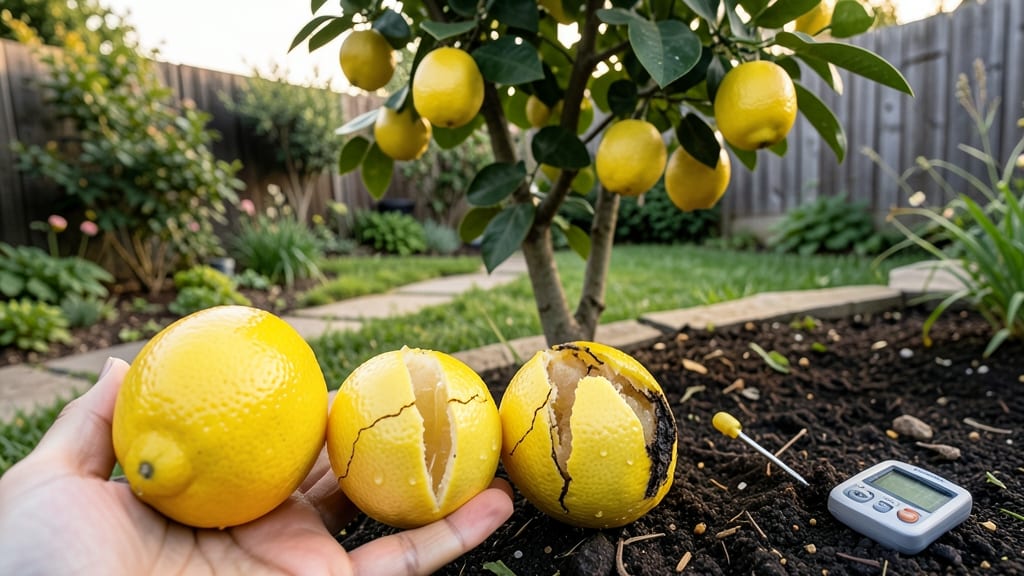
The citrus fruit cracking that ruins your harvest doesn’t have to be inevitable—but I’ve saved dozens of trees using these three simple tricks that actually work. The problem starts with too much water, too little, or sudden temperature swings—your tree can’t handle extremes. I’ve seen cracked fruit from both drought stress and overwatering, and the fix isn’t complicated: consistent moisture and shade during heatwaves. A thick layer of mulch keeps roots stable, and a drip irrigation system delivers water right where it counts. Once you adjust your watering, you’ll notice fewer splits and plumper fruit within weeks. The rinds stay smooth, the juice stays rich, and you avoid the bitter disappointment of ruined harvests. It’s not rocket science—just smarter care for thirsty trees. Works for all citrus—limes, grapefruit, even Meyer lemons. Here’s how to keep your trees happy and your fruit intact.
Root Causes Of Split Citrus Skin
When your citrus fruits—whether it’s a juicy orange, a tangy lemon, or a sweet grapefruit—develop unsightly cracks or splits, it’s usually a sign that something went wrong at the root (literally).
Understanding the why behind these splits helps you take action before it’s too late. Let’s break down the science and environmental triggers that turn your perfect fruit into a cracked disappointment.
Citrus fruits are sensitive to rapid changes in temperature, and their thick rinds can’t always keep up. When water inside the fruit expands or contracts too quickly due to heat or cold, the outer skin struggles to stretch or shrink evenly.
This imbalance creates stress points that split the rind—often along the fruit’s natural seams.
- Hot Days: Intense sunlight causes the fruit’s internal moisture to evaporate faster than the peel can adjust, leading to shrinkage cracks.
- Cold Nights: A sudden drop in temperature (like after a hot day) makes the fruit’s water freeze or contract, weakening the peel’s structure.
- Frost Risk: If temperatures dip below 28°F (-2°C), citrus fruit cells can rupture, causing deep, irreversible splits.
💡 Pro Tip: If you’re growing citrus in a climate with wild temperature swings, use shade cloth during peak sun hours and mulch around the base of the tree to insulate roots from cold snaps.
Citrus trees thrive in well-draining soil, but when they’re overwatered—or worse, left sitting in soggy conditions—their roots struggle to absorb nutrients efficiently. This leads to uneven growth, where the fruit expands faster than the peel can accommodate, causing it to burst at the seams.
- Root Suffocation: Waterlogged soil cuts off oxygen to roots, stressing the tree and forcing it to pump excess water (and pressure) into the fruit.
- Rapid Growth Spikes: After a dry period, sudden heavy watering can cause the fruit to swell too quickly, overstretching the rind.
- Container Issues: Potted citrus in pots without drainage holes traps water, leading to the same internal pressure problems.
✨ Key Fix: Always water at the base of the tree, not the leaves, and ensure the soil is 60% sand or grit for optimal drainage. Let the top 2 inches of soil dry out between waterings.
Citrus trees need a balanced diet of nitrogen (N), phosphorus (P), and potassium (K), but when one nutrient is over- or under-supplied, it throws the whole system off. The most common culprits?
| Nutrient Issue | How It Causes Cracking | Signs to Watch For |
|---|---|---|
| Excess Nitrogen | Promotes leafy growth over fruit development, leading to weak, thin rinds that split easily. | Dark green, lush foliage with fewer fruits or small, misshapen citrus. |
| Potassium Deficiency | Weakens the fruit’s structural integrity, making it prone to splitting under stress (like heat or water pressure). | Yellowing leaf edges (scorch) and blotchy, weak rinds. |
| Calcium Deficiency | Calcium helps cell wall strength—without it, the fruit’s peel becomes brittle and cracks under internal pressure. | Small, deformed fruits with blossom-end rot (brown, leathery spots). |
🎯 Solution: Test your soil and adjust with a balanced citrus fertilizer (e.g., 6-6-6 or 8-3-9). For calcium, add crushed eggshells or lime to the soil every few months.
Now that you know the real culprits behind citrus cracking, you’re one step closer to preventing it. Next, we’ll dive into actionable fixes to keep your fruit flawless from bloom to harvest! 🍊✨
Fixing Split Citrus Rinds Naturally
Now that you know the root causes behind citrus fruit cracking—whether it’s from water stress, rapid growth spurts, or environmental shocks—let’s tackle the fixes. The good news? Most solutions are simple, cost-effective, and require minimal effort.
Below, we’ve mapped out practical fixes for each common cause, along with prevention tips to keep your citrus trees healthy and blemish-free.
Cause: Overwatering or underwatering leads to uneven moisture absorption, causing the rind to split.
How to Fix It:
- 🔥 Stop and Assess: If your tree is waterlogged, pause watering for 3–5 days to let the soil dry slightly. Stick your finger 2 inches deep—if it’s soggy, hold off.
- 🍳 Water Deeply, Less Often: Instead of light daily sprinkles, give your tree 1–2 deep waterings per week (adjust for clay vs. sandy soil). Use a soaker hose or drip irrigation to deliver water directly to the roots.
- 👨🍳 Improve Drainage: Amend heavy soil with compost or perlite to prevent water pooling. If your tree is in a pot, ensure it has drainage holes and elevate it slightly.
💡 Pro Tip: Mulch around the base with 2–3 inches of organic mulch (like wood chips) to retain moisture without over-saturating the roots. Keep mulch 6 inches away from the trunk to avoid rot.
Cause: Over-fertilizing or sudden nutrient surges trigger explosive growth, splitting the rind as the fruit expands too fast.
How to Fix It:
- ⏰ Scale Back Fertilizer: If you’ve been using high-nitrogen or citrus-specific fertilizers, switch to a balanced, slow-release formula (like 6-6-6). Apply half the recommended dose every 6–8 weeks during growing season (spring–fall).
- 🥘 Feed the Roots, Not the Leaves: Avoid foliar sprays or excessive top-dressing. Instead, dig a 6-inch trench around the drip line and place fertilizer granules there, then water deeply.
- 🎯 Prune for Balance: If your tree is overloaded with fruit, thin out 20–30% of the crop to reduce strain. Focus on smaller, underdeveloped fruits first—they’re less likely to split.
💡 Pro Tip: Avoid fertilizing in extreme heat (above 90°F). High temps + nutrients = stress. Wait until morning or evening to apply, and always water afterward.
Cause: Sudden heatwaves, cold snaps, or windburn dry out the fruit’s skin, making it prone to cracking.
How to Fix It:
- 🔥 Protect from Heat Stress: If temperatures soar above 95°F, provide afternoon shade with a lightweight cloth or shade net (30–50% coverage). Avoid plastic, which traps heat.
- 🍎 Guard Against Cold: If frost is forecasted, cover the tree with a frost blanket the night before. For potted citrus, move it to a garage or sheltered area temporarily.
- 🌬️ Reduce Wind Exposure: If your tree is in a windy spot, create a windbreak with burlap or plant a hedge (like oleander or palm) as a natural barrier.
💡 Pro Tip: Mist the fruit lightly during heatwaves (early morning only) to prevent rapid dehydration. Use a fine spray nozzle to avoid water pooling in the cracks.
Cause: Cracks provide entry points for pathogens like citrus canker or melanose, worsening splits and fruit rot.
How to Fix It:
- 🔪 Trim Infected Branches: Use sterilized pruners to cut off any cracked or diseased fruit/branches. Dispose of them in the trash (not compost)—don’t let pathogens spread.
- 🌡️ Apply Copper Fungicide: Spray a copper-based fungicide (like Copper Soap) every 2–3 weeks during rainy seasons or high humidity. Follow label instructions for dilution.
- 🎯 Boost Tree Health: A strong, healthy tree resists infections better. Ensure your citrus gets full sun (6+ hours/day), proper water, and regular pruning to improve airflow.
💡 Pro Tip: Sanitize tools before and after pruning with 70% isopropyl alcohol or a 10% bleach solution to prevent cross-contamination.
To keep your citrus trees crack-free season after season, follow this quick maintenance routine: 1. Soil Test: Check pH and nutrient levels annually. Aim for pH 6.0–7.0—citrus prefers slightly acidic to neutral soil.
- Consistent Care: Stick to a watering schedule (deep and infrequent) and fertilize moderately.
- Monitor Growth: If your tree flowers heavily, expect a fruit flush and adjust care accordingly (reduce water slightly during rapid growth).
- Harvest at Peak Ripeness: Pick citrus when it’s fully colored and slightly soft to the touch—overripe fruit is more prone to splitting.
Final Thought: Most citrus cracking is preventable with a little foresight. By balancing water, nutrients, and environmental protection, you’ll enjoy plump, unblemished fruit year after year. 🍊✨
Frequently asked questions about citrus fruit cracking
Why do some citrus fruits crack while others stay smooth?
Cracking happens when your fruit grows too quickly or experiences sudden moisture changes. Thin-skinned varieties like lemons are more prone to splitting than thick-rinded grapefruits. The key difference is how fast the fruit expands versus how flexible the peel remains—overwatering or nutrient spikes often trigger this imbalance.
Can I still use cracked citrus fruit for cooking?
While cracked fruit looks less appealing, it’s perfectly safe to use. The cracks don’t affect flavor or juice quality. Just avoid using heavily damaged fruit for fresh eating—it’s more prone to mold. For cooking, simply trim away any obviously rotten areas before juicing or zesting.
How do I know if my tree needs more water or less?
Check the soil 2 inches deep—if it’s dry, water deeply. If it’s still damp, hold off. For potted citrus, lift the container: a dry pot means it’s time to water. Overwatering is more common than underwatering, so err on the side of caution during hot weather by watering at the base rather than overhead.
Will mulch really help prevent cracking?
Yes! A 2-3 inch layer of organic mulch helps maintain even soil moisture and temperature. Keep it 6 inches away from the trunk to prevent rot. Mulch also slowly releases nutrients as it breaks down, reducing the risk of sudden growth spurts that cause splitting.
Can I fix cracked fruit once it happens?
Unfortunately, you can’t reverse existing cracks, but you can prevent further damage. Remove severely cracked fruit to stop mold spread, and adjust your watering/fertilizing routine immediately. For future harvests, focus on consistent moisture and shade protection during extreme weather.