
Propagation
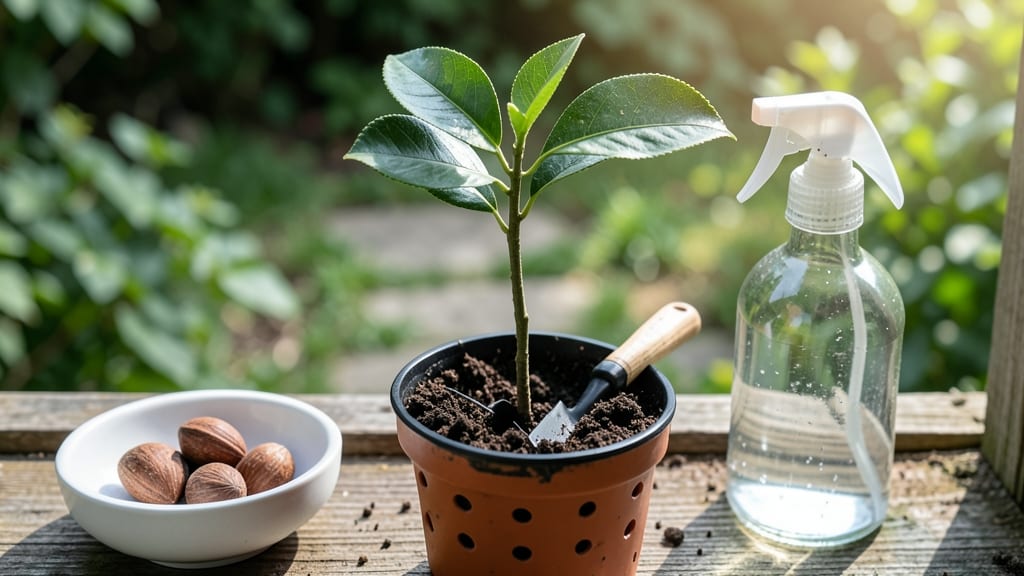
Planting a grapefruit tree from seed gives you a tropical promise—bright green leaves and citrusy potential—but the first 6 months are all about patience and perfect conditions. 🌱 I’ve grown three from seed, and the one I kept in a sunny window now sits in my backyard, its branches heavy with blossoms.
The secret isn’t just the seed; it’s the soil, warmth, and light that turn a tiny pit into a thriving citrus tree.
You’ll need a warm spot (70°F+), a small pot with drainage, and a mix of potting soil and perlite to keep roots happy. Germination takes 4-8 weeks, and seedlings grow slowly at first—don’t rush them.
Most people quit here, but the real magic happens when you transplant outdoors after the last frost, where roots can stretch and branches can fill out.
By month 6, you’ll have a 3-foot sapling with glossy leaves, though fruit won’t appear for 5-10 years. The payoff? A tree that thrives in containers or soil, resists pests, and rewards you with fragrant blossoms long before the first grapefruit.
(Yes, homegrown citrus tastes nothing like store-bought—sweeter, juicier, and full of sunshine.)
This method works in zones 9-11, but container growers in cooler climates can keep theirs indoors near a south-facing window. The biggest mistake? Overwatering or letting soil dry out completely. Stick with me, and you’ll have a tree that outlives you—and maybe even produces fruit in your lifetime.
📚 In This Guide
- What you need
- Instructions
- Tips and common mistakes
- Wrapping up and next steps
What you need
- ● Grapefruit seeds: 2–3 fresh, viable seeds (from an organic or seedless grapefruit if possible).
- ● Small pots or seed trays: 2–3 (4–6 inches deep) with drainage holes.
- ● Well-draining potting mix: 1 bag (look for a blend labeled "seed starting mix" or "cactus/succulent mix").
- ● Plastic wrap or humidity dome: 1 (to retain moisture).
- ● Spray bottle: 1 (for gentle watering).
- ● Grow lights or sunny windowsill: Access to 6+ hours of indirect light daily.
- ● Larger container or garden spot: 1 (15+ gallons) for transplanting after ~6 months.
- ● Tweezers or toothpick: 1 (for handling tiny seeds).
- ● Fertilizer (balanced, 10-10-10 or organic): 1 small bottle (for post-transplant care).
- ● Pruning shears: 1 (for shaping the tree later).
- ○ Mulch (optional): 1 bag (to retain soil moisture in outdoor plantings).
- ○ pH test kit (optional): 1 (to check soil acidity, ideal pH: 6.0–7.0).
Step-by-step instructions for planting a grapefruit tree from seed
Growing a grapefruit tree from seed is rewarding—here's how to turn that tiny pit into a thriving citrus sapling.
🌱 Step 1: Extract and Prepare the Seed
Start with a fresh grapefruit pit—rinse it thoroughly to remove all fruit residue, then let it dry completely for 24 hours. This prevents mold. I like to soak the pit in warm water for 12 hours afterward to soften the outer coating, which speeds up germination.
Place the seed between two damp paper towels, fold the towels over it, and secure with a rubber band. Store in a warm, dark place (like a sealed plastic bag on the fridge top) where the temperature stays around 70-75°F. Check daily—keep the towels damp but not soggy. You'll see a tiny root and sprout in 7-14 days.
🪴 Step 2: Choose and Fill the Container
Use a 4-inch diameter pot with drainage holes—grapefruit seeds hate soggy roots. Fill the bottom 1 inch with a mix of 50% perlite and 50% potting soil for fast drainage. I press the mix down lightly to create a firm base, then add another 1 inch of regular potting soil on top.
Plant the germinated seed ½ inch deep, covering it with soil but leaving the sprout exposed. Gently press the soil around it to secure it without compacting. Water lightly until the soil feels evenly moist but not wet. Place the pot in a bright, indirect light spot—direct sun can scorch the delicate new seedling.
☀️ Step 3: Provide Ideal Growing Conditions
Keep the soil consistently moist (not wet) by watering when the top inch feels dry. A spray bottle works best to avoid disturbing the seedling. After 4-6 weeks, when the seedling reaches 3-4 inches tall, transplant it into a 6-inch pot with fresh potting mix.
Move the seedling to a south-facing window or under a grow light for 12-14 hours daily. Grapefruit trees need full sun, but seedlings can't handle it yet. You'll know it's getting enough light when the leaves stay bright green and the stem stays sturdy—no stretching toward the light.
✂️ Step 4: Prune and Harden Off for Outdoors
When the seedling has 6-8 true leaves (after 3-4 months), pinch off the top set of leaves to encourage bushier growth. This redirects energy to the lower branches, giving you a stronger tree. Water deeply once a week—grapefruit trees are drought-tolerant but grow faster with consistent moisture.
Before moving outdoors, harden off the seedling by placing it outside in partial shade for 2 hours daily, gradually increasing time over 2 weeks. Choose a warm, sheltered spot (like a patio) where temperatures stay above 50°F. Watch for yellowing leaves—this means it's getting too much sun too soon.
🌿 Step 5: Transplant to the Ground (After 6 Months)
After 6 months, when the seedling is 1-2 feet tall, it's ready for the ground. Pick a sunny, sheltered spot with well-draining soil—grapefruit trees despise cold or waterlogged roots. Dig a hole twice as wide as the pot but no deeper.
Gently remove the seedling, loosen the roots, and place it in the hole so the top of the root ball sits level with the soil. Backfill with native soil, water deeply, and add a 2-inch layer of mulch to retain moisture. In 2-3 years, you'll see flowers—and eventually, fruit—if you're patient!
Tips & tricks for planting a grapefruit tree from seed
Growing a grapefruit tree from seed is a rewarding project—here's how to set yourself up for success from day one.
Seed Preparation Secret: The 24-hour drying period isn't just about preventing mold—it's also crucial for breaking the seed's natural dormancy. I've found that gently scratching the seed's outer coating with a knife (after drying) can speed up germination by exposing the embryo. Just don't cut too deep, or you'll damage the seed inside.
Germination Environment: That 70-75°F range is perfect for tropical seeds, but consistency matters more than exact degrees. I keep my seedling setup on top of my fridge where it stays warm and dark naturally. A simple plastic bag with a few air holes works better than a sealed container—condensation can suffocate the seed.
Container Setup: The 50% perlite mix in Step 2 is your insurance against root rot. I like to add a handful of coarse sand to that mix for even better drainage. When planting, make sure the sprout stays exposed—it needs light to grow toward, or it'll grow in a weird direction trying to reach the surface.
Light Transition: Watch for those bright green leaves and sturdy stem in Step 3—they're your signs of perfect light balance. If leaves start yellowing at the edges, it's either too much sun or not enough water. Move the seedling closer to the window if the stems stretch toward light (a sign of insufficient light).
Pro Tips for Plant A Grapefruit Tree From Seed
- Growing a grapefruit tree from seed is a rewarding project—here's how to set yourself up for success from day one.
- Seed Preparation Secret: The 24-hour drying period isn't just about preventing mold—it's also crucial for breaking the seed's natural dormancy.
- Germination Environment: That 70-75°F range is perfect for tropical seeds, but consistency matters more than exact degrees.
Frequently asked questions
Got questions about growing a grapefruit tree from seed? You’re not alone—this process sparks curiosity (and a few doubts!). Here are answers to the most common queries to help you get started with confidence.
How long does it take for a grapefruit seed to sprout?
A grapefruit seed typically sprouts within 2 to 4 weeks if kept in warm, moist conditions. Patience is key—some seeds may take longer, especially if the soil stays too dry or cold. Keep the pot in a bright, indirect light spot (like a sunny windowsill) and maintain consistent moisture to speed up germination.
Will my homegrown grapefruit tree produce fruit?
Probably not for 5 to 10 years—if ever! Most seed-grown grapefruit trees are not true to the parent plant and may produce small, seedy, or even inedible fruit. For reliable fruit, grafted trees are the way to go. But don’t worry—your tree will still make a stunning ornamental plant with fragrant blooms!
What’s the best temperature for growing a grapefruit seedling?
Grapefruit seedlings thrive in warmth, ideally between 70°F to 90°F (21°C–32°C). If your home dips below 60°F (15°C), consider using a seedling heat mat or placing the pot near a sunny window. Avoid drafts or sudden temperature swings, which can stress young plants.
Can I plant the seedling directly in the ground?
Only after it’s at least 6–12 months old and has outgrown its pot! Grapefruit trees are tropical and hate frost—so wait until spring (after the last frost date) and choose a well-draining, sunny spot with protection from cold winds. Harden off the seedling by gradually exposing it to outdoor conditions over 1–2 weeks first.
What should I do if my seedling turns yellow or wilts?
Yellowing leaves or wilting often signal overwatering, underwatering, or pests. Check the soil moisture—it should stay evenly damp but not soggy. If pests (like aphids or spider mites) are the culprit, spray with neem oil or insecticidal soap. Move the plant to brighter light if it’s leggy or weak.
Still stumped? Drop your question in the comments—we’re happy to help!
Wrapping up and next steps
Growing a grapefruit tree from seed is a rewarding journey that blends patience with the joy of nurturing life!
While it may take time for your seedling to bear fruit, every step—from selecting the right seed to providing the perfect care—sets the stage for a thriving tropical treasure. Celebrate your progress and stay consistent! Once your tree is established, consider transplanting it to a sunny spot in your garden or a large container to watch it flourish.
🌱 Next step: Keep an eye on your seedling’s growth and explore our guide on transplanting young citrus trees to ensure it thrives in its forever home!