
Trees
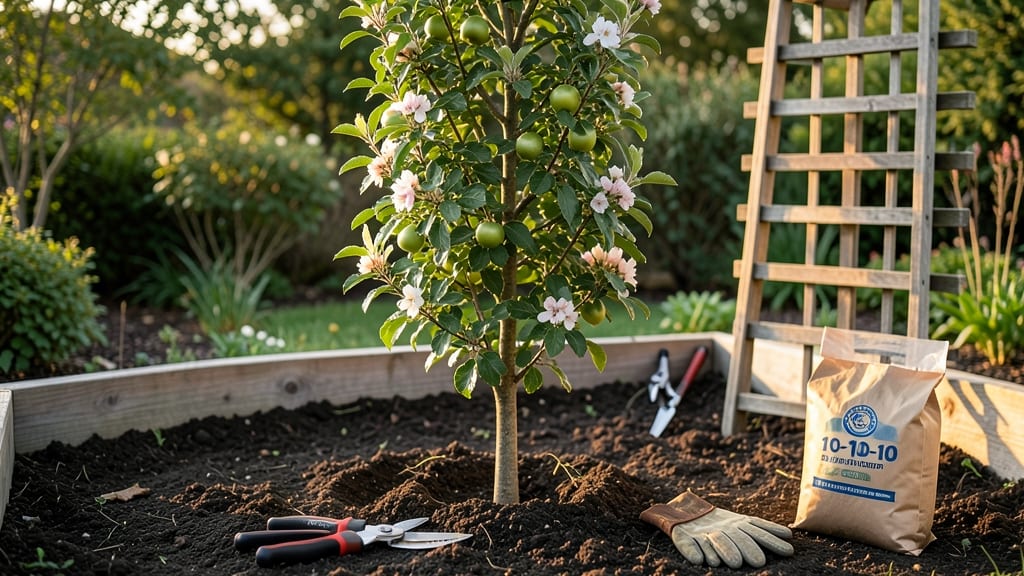
To keep fruit trees small, start with dwarf varieties, prune consistently during dormant seasons, and use proper training techniques to control growth while ensuring healthy fruit production. Regular branch thinning and root pruning further help maintain their compact size.
Small fruit trees aren't just for tiny yards—they're about maximizing space without sacrificing harvests. 🌳 Dwarf varieties like 'Columnar' apples or 'Patio' peaches grow just 6-8 feet tall, making them perfect for containers or tight spots.
The key is pruning at the right time: dormant season cuts shape the tree, while summer trims focus on airflow and fruit quality. I've seen homeowners double their yield by pruning just 20% of branches—less is often more!
For best results, combine pruning with root pruning every 2-3 years. This keeps roots from spreading too far, which naturally limits top growth. 💫 The trade-off? You'll need to monitor soil moisture more carefully, as smaller root systems dry out faster.
Start with these techniques, and you'll have a productive, manageable tree that fits your space perfectly.
💡 In This Article
- Best Dwarf Fruit Tree Varieties for Small Gardens
- Step-by-Step Pruning Guide for Compact Fruit Trees
Best dwarf fruit tree varieties for small gardens
Dwarf fruit trees stay small because of their genetics—specifically, their rootstock. These trees are grafted onto dwarfing rootstock like M9 or B9 for apples, which limits their height to 6-8 feet compared to standard trees that can reach 20+ feet.
The rootstock restricts nutrient and water flow to the top, naturally stunting growth while still supporting fruit production. 🌱 Columnar varieties, like 'Wijcik' apple, grow only 8-10 feet tall but produce fruit along their entire length, making them ideal for narrow spaces.
Semi-dwarf trees (grafted onto MM106 or MM111 rootstock) offer a middle ground, reaching 12-16 feet but requiring less space than full-size trees. Bush-type varieties, such as 'Patio' peach or 'Bonanza' cherry, grow in rounded shapes with multiple trunks, perfect for containers or small lawns.
Citrus dwarfs like 'Calamondin' or 'Improved Meyer Lemon' thrive in pots, staying under 4 feet tall while producing abundant fruit. The trade-off? Some dwarf varieties may yield slightly less than standard trees, but their space efficiency makes them worth it.
When choosing a dwarf variety, consider your climate and fruit preferences. For example, columnar apples thrive in cooler regions, while dwarf citrus needs protection from frost.
The key is selecting a variety that matches your growing conditions—this ensures the tree stays compact and productive. 🍎 I’ve seen 'Columnar Honeycrisp' apples produce 50-70 pounds of fruit annually in a 3-foot-wide space, proving that small size doesn’t mean small harvests.
Another factor is the tree’s growth habit. Some varieties, like 'Sentinel' apple, grow upright with minimal branching, while others, like 'Flame' nectarine, spread wider. Match the habit to your space: vertical growers fit tight spots, while bush types work better in open areas.
For containers, look for self-rooted or air-layered dwarfs—they adapt better to root restriction. Just ensure your pot has drainage holes and is at least 18-24 inches in diameter to prevent root-bound stress.
Dwarf trees also mature faster—typically in 2-3 years—compared to 5-7 years for standard trees. This means quicker rewards for gardeners with limited space. However, their smaller root systems make them more vulnerable to drought and heat stress.
Mulching with 2-3 inches of organic material (like wood chips) helps retain moisture and regulate soil temperature. 💧 The right variety, combined with proper care, turns a tiny tree into a high-yielding powerhouse.