
Propagation
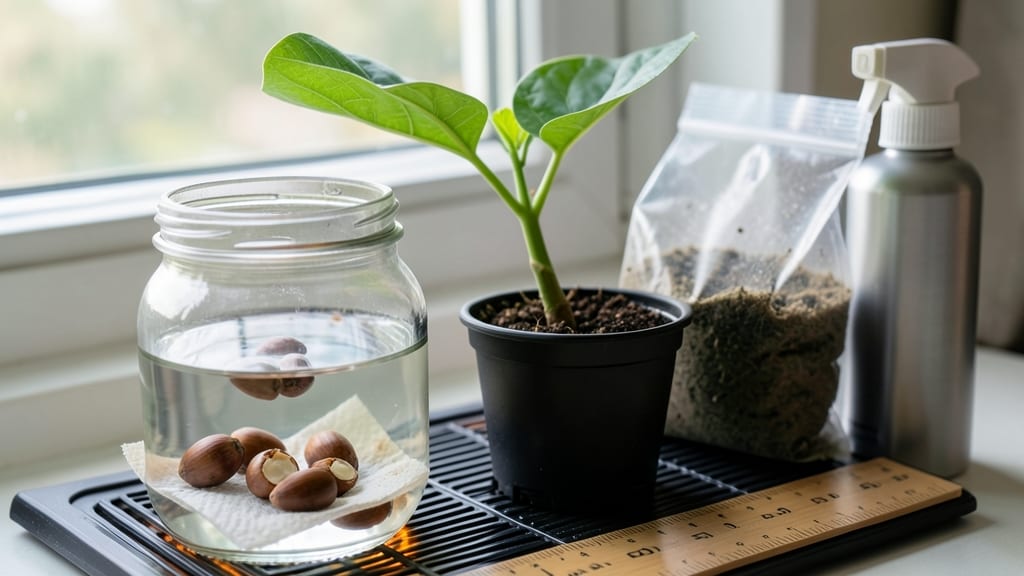
Germinating jackfruit seeds is like unlocking a tropical treasure chest—except instead of gold, you get a fast-growing tree that thrives in heat and humidity. 🌱 The key is patience and the right conditions, because these seeds need warmth and moisture to break their tough shells and send up those first delicate leaves.
You’ll need just a few supplies: large jackfruit seeds (save the biggest ones), a jar or plastic bag for water germination, or a pot with well-draining soil if you’re planting directly.
The trick is keeping things consistently warm—think 75-85°F—and moist without drowning the seeds. Most will sprout in 2-6 weeks, but some stubborn ones take longer.
Once those first sprouts appear, you’ll watch them grow into sturdy seedlings faster than you expect. With proper care, you could have a small jackfruit tree in 6-12 months, ready to handle outdoor conditions if you’re in a warm climate.
The real magic? These trees aren’t just ornamental—they produce fruit in 3-5 years with the right growing conditions.
Whether you’re starting them indoors for a head start or planting directly in soil, the process is surprisingly simple. Just avoid overwatering (mold is the enemy) and give them plenty of light. Here’s how to make it work—no green thumb required!
📚 In This Guide
- What you need
- Instructions
- Tips and common mistakes
- Wrapping up and next steps
What you need
- ● Fresh jackfruit seeds: 5–10 healthy, plump seeds (avoid shriveled or cracked ones). Pro tip: 💡 Choose seeds from ripe, organic jackfruit for better germination rates!
- ○ Water: Room-temperature or lukewarm water (2–3 cups for soaking). Optional: A spray bottle for misting later.
- ● Germination container: Water method: A shallow dish (8–10 inches wide) with drainage holes or a clean plastic bag with breathable mesh.
- ● Soil method: A small pot (4–6 inches deep) with drainage holes.
- ● Growing medium (soil method only): Well-draining potting mix (e.g., cactus/succulent blend or 50% peat moss + 50% perlite).
- ● Plastic wrap or humidity dome: To retain moisture (for soil method).
- ○ Paper towels or coffee filters: For the water germination method (optional but helpful for monitoring seeds).
- ● Small hand trowel: For planting seeds in soil.
- ● Spray bottle: To keep seeds/mix moist without overwatering.
- ● Grow light or sunny windowsill: A spot with indirect light (6+ hours/day) for seedlings.
- ● Fertilizer (later stage): Balanced liquid fertilizer (e.g., 10-10-10) once seedlings sprout leaves.
Step-by-step guide to germinating jackfruit seeds
Here's how to coax those hard-shelled seeds into life—whether you're growing for novelty or future fruit.
🌱 Step 1: Extract and Clean the Seeds
Start with fresh jackfruit seeds—older seeds germinate poorly. Remove them from the fruit and rinse off any remaining pulp under lukewarm water. Scrub gently with a soft brush to remove the fibrous outer coating, but don't damage the seed itself. You'll see a smooth, tan seed underneath.
Leave the seeds to air-dry for 24-48 hours in a well-ventilated area. They're ready when the outer shell feels slightly rough to the touch. This drying step prevents rot during germination. Store them in a paper towel-lined container until you're ready to start.
💧 Step 2: Choose Your Germination Method
Jackfruit seeds germinate best in warm, moist conditions. For the water method, place seeds in a clear glass jar with 2-3 inches of water—just enough to cover the bottom. Keep the jar in a spot with 75-85°F temperatures, like near a sunny window or under a grow light.
For soil germination, fill a small pot with moistened potting mix (not garden soil) and plant seeds 1 inch deep. Water lightly until the soil feels damp but not soggy. Cover the pot with plastic wrap to retain humidity. Both methods should show sprouts in 10-20 days, though water germination is faster.
☀️ Step 3: Monitor and Maintain Optimal Conditions
Check your seeds daily for signs of mold or rot—these indicate too much moisture. If using water, change it every 2-3 days to prevent bacterial growth. You'll see a small white root emerge first, followed by a shoot breaking through the seed shell.
Once the shoot reaches 2-3 inches tall, transplant water-germinated seeds into 4-inch pots with fresh potting mix. Keep the soil consistently moist but never waterlogged. Place the pots in bright, indirect light—direct sun can scorch young leaves. You'll know conditions are right when new leaves unfurl within 2-3 weeks.
✂️ Step 4: Transition to Soil and Care for Seedlings
After 4-6 weeks, when seedlings have 3-4 true leaves, transplant them into larger containers or the ground. Jackfruit thrives in well-draining soil with 6+ hours of sunlight daily. Water deeply once a week, allowing the top 2 inches of soil to dry between waterings.
Here's the thing—jackfruit seedlings grow fast but need patience. Don't rush fertilization. Wait until they're 6 months old before adding a balanced fertilizer. Prune leggy growth to encourage bushier development. You'll see real progress when the leaves darken and the stems thicken noticeably.
🌿 Step 5: Prepare for Long-Term Growth
By 12 months, your jackfruit tree will need a permanent home. Choose a location with full sun exposure and protection from strong winds. In colder climates, bring potted trees indoors before temperatures drop below 50°F—they're tropical and won't survive frost.
Real talk: Jackfruit trees take 3-5 years to bear fruit, but the journey is rewarding. Watch for new growth flushes in spring, which signal the tree's active phase. Mulch around the base to retain moisture and suppress weeds. With consistent care, you'll have a thriving, exotic addition to your garden.
Tips & tricks for germinating jackfruit seeds
These practical insights will help you navigate the quirks of tropical seed germination with confidence.
Seed Selection: Choose seeds from fully ripe jackfruit—they're easier to clean and germinate faster. Look for seeds with a smooth, tan shell rather than cracked or discolored ones. If you're unsure about freshness, soak them in lukewarm water for 10 minutes before scrubbing to soften any stubborn pulp remnants. This step prevents mold during the critical 24-48 hour drying period.
Temperature Control: The 75-85°F range is non-negotiable for germination success. If your home runs cooler, place your jar near a sunny window or use a seedling heat mat set to 80°F. For soil germination, maintain warmth by covering the pot with plastic wrap and placing it on a warm surface like a heating pad set to low. Jackfruit seeds won't sprout below 70°F—patience won't help if conditions are too cold.
Transplanting Timing: Wait until your seedling reaches exactly 2-3 inches before transplanting—this gives roots enough strength for the transition. I've seen beginners rush this step, leading to fragile seedlings that topple over. Use a small trowel to gently loosen the root ball when transferring to 4-inch pots, and water immediately after to reduce transplant shock. The 2-3 week window for leaf unfurling is your best indicator of successful adaptation.
Long-Term Survival Strategy: In colder climates, plan your 12-month transplant carefully. If you're moving potted trees indoors before 50°F, place them near a south-facing window where they'll receive 6+ hours of indirect sunlight daily. Jackfruit trees are tropical at heart—don't let them experience temperature swings greater than 10°F in a single day. This gradual acclimation prevents the shock that often kills young trees during winter transitions.
Pro Tips for Germinate Jackfruit Seeds
- These practical insights will help you navigate the quirks of tropical seed germination with confidence.
- Seed Selection: Choose seeds from fully ripe jackfruit—they're easier to clean and germinate faster.
- Temperature Control: The 75-85°F range is non-negotiable for germination success.
Frequently asked questions
Got questions about germinating jackfruit seeds? You’re not alone—this process can feel tricky at first! Below, we’ve answered the most common questions to help you avoid pitfalls and boost your success rate.
How long does it take for jackfruit seeds to germinate?
Most jackfruit seeds sprout within 2 to 4 weeks when kept in warm, moist conditions (70–85°F). Some may take up to 6 weeks, especially if stored dry or in cooler temps. Patience is key—consistent moisture and warmth speed up the process!
Can I germinate jackfruit seeds without soil?
The water germination method (soaking seeds in a jar) is beginner-friendly and works well. Just keep the water fresh, and transfer sprouted seeds to soil once roots and a sprout appear. For faster results, use a paper towel method with damp towels and plastic wrap.
What if my jackfruit seeds rot instead of sprouting?
Rotting usually happens from too much moisture or poor airflow. If you notice a foul smell or mushy seeds, rinse them in clean water, remove any damaged seeds, and let them dry slightly before re-starting. Use a well-ventilated container (like a mesh bag) to prevent mold.
Do jackfruit seedlings need sunlight right away?
Nope! Start with indirect light (like a bright windowsill) for the first 2–3 weeks. Once sprouts are 2–3 inches tall, gradually introduce 4–6 hours of direct sunlight daily. Too much sun too soon can scorch delicate seedlings.
Can I grow jackfruit from seeds in cold climates?
Jackfruit thrives in tropical climates (USDA Zones 10–11), but you can still try indoors! Use a grow light for 12+ hours daily and maintain warmth (above 60°F). If you live in a colder zone, consider growing it as a container plant and bring it inside during winter.
Wrapping up and next steps
Germinating jackfruit seeds is a rewarding journey that connects you to nature’s bounty! With the right tools—like clean seeds, patience, and a cozy environment—you can transform those humble seeds into thriving saplings.
Whether you choose the water method for quick sprouts or the soil method for long-term growth, each step builds your green-thumb confidence.
Now that you’re armed with knowledge, it’s time to take action! 🌱 Start with just a few seeds, experiment with conditions, and watch your little jackfruit tree grow. Before you know it, you’ll be harvesting your own tropical treats—or even sharing saplings with fellow plant lovers. Happy growing!