
Trees
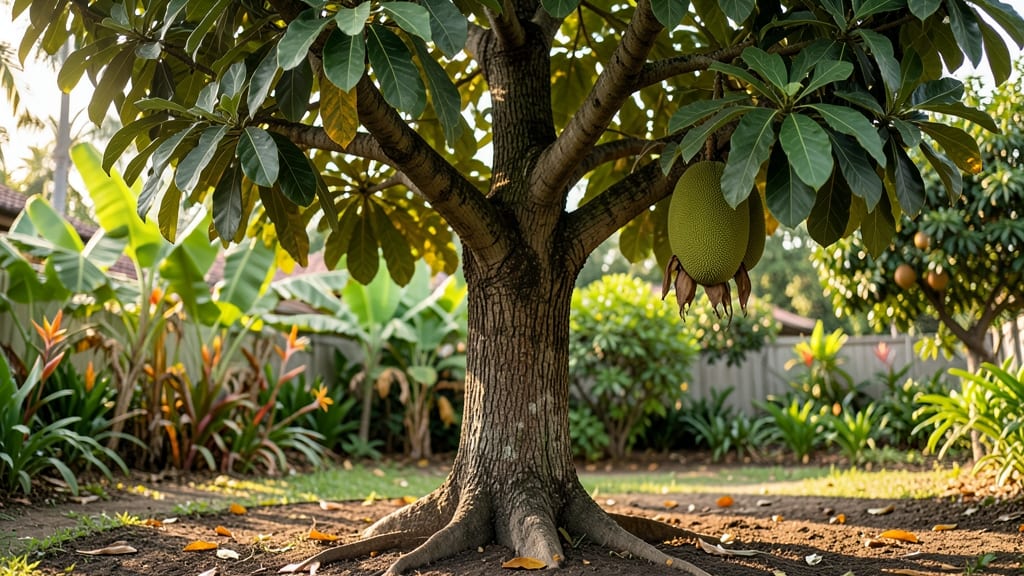
How tall do jackfruit trees grow? These trees reach staggering heights—some varieties soaring to 100 feet or taller, making them one of the tallest edible fruit trees on Earth 🥭.
If you're dreaming of growing your own jackfruit tree, understanding its mature height is essential—because this tropical giant can reach staggering proportions, transforming your backyard into a lush, exotic landscape.
Most jackfruit trees in General (Tropical/Subtropical Regions) like Zones 10-12 grow 40-60 feet tall, but without proper pruning, they can easily double that size. That means planning for a three-story tree if you want fruit without constant trimming.
In this guide, I’ll break down how fast they grow, which varieties stay smaller, and whether your space can handle a tropical giant—or if you’ll need to prune like a pro.


Jackfruit tree height by variety: from dwarf to giant sizes
When I first considered growing a jackfruit tree, I was stunned by its potential size—some varieties can grow taller than a 10-story building! Understanding these mature heights helps you plan your garden space and choose the right variety for your backyard.
Jackfruit trees (Artocarpus heterophyllus) are tropical giants with dramatic differences between varieties, from towering giants to more manageable sizes.
Most jackfruit trees thrive in USDA Zones 10-12 and need full sun to reach their full potential. Their growth rate is rapid in ideal conditions, with some varieties adding 10 feet per year during their first decade.
However, their final height depends heavily on the variety you select and how you prune them. Let’s explore the most common types and their mature sizes.
The Golden Giant variety is the ultimate tropical giant, capable of reaching 100 feet tall in ideal conditions. This makes it perfect for large farms or estates but completely impractical for most home gardens.
If you’re dreaming of growing jackfruit in your backyard, the Singapore Yellow variety is a fantastic middle-ground option, typically reaching 40-60 feet while still producing abundant fruit.
For those with limited space, the Kopiko and Honey Jack varieties are excellent choices. These trees mature between 25-50 feet, making them suitable for suburban yards or even large containers during their early years.
With proper pruning techniques, you can further control their height and shape, keeping them manageable even in smaller spaces.
If you’re a novice gardener or live in an urban area, the J33 dwarf hybrid is a game-changer. This variety stays between 15-25 feet tall and grows more slowly, making it ideal for containers or small patios.
While it may not produce fruit as quickly as larger varieties, its manageable size and ease of care make it a fantastic starting point for jackfruit enthusiasts.
When planning your jackfruit tree’s location, remember that these trees need ample space not just for their height but also for their spreading canopies.
A mature jackfruit tree can have a spread of 30-50 feet, so choose a spot with plenty of room to avoid shading out other plants or structures. In tropical climates, these trees can grow year-round, while in subtropical zones, they may experience slower growth during cooler months.
One of the most exciting aspects of growing jackfruit is watching it mature. Within 3-4 years, even smaller varieties can start producing fruit, though larger trees may take longer to reach their full height and fruiting potential.
Regular pruning can help manage growth and improve air circulation, reducing the risk of disease and making fruit easier to access.
Whether you’re aiming for a towering tropical giant or a more compact patio tree, selecting the right jackfruit variety is key. Consider your
Factors that influence jackfruit tree height and growth speed
Your jackfruit tree's final height and growth speed aren't set in stone—they're shaped by a mix of nature and your care routine. While some varieties naturally stay shorter, most jackfruit trees can stretch toward 100 feet if given the right conditions.
Understanding these factors helps you steer your tree toward a manageable size or embrace its towering potential.
The climate plays the biggest role in growth speed. Jackfruit trees thrive in tropical/subtropical zones (USDA 10-12), where warm temperatures and high humidity fuel rapid growth.
In cooler climates, growth slows dramatically, and trees may never reach their full height potential. Even in ideal climates, seasonal changes can pause growth temporarily.
Your watering habits directly impact height—jackfruit trees need deep, infrequent watering to develop strong root systems. Shallow watering leads to weak roots and stunted vertical growth. In my experience, trees with consistent moisture (but no waterlogging) grow 2-3 feet taller per year compared to those with erratic watering.
Don't underestimate the power of pruning. While jackfruit trees aren't typically pruned for size control like fruit trees, strategic cuts can shape growth. Prune in late winter to remove water sprouts and crossing branches, which encourages a bushier, more compact structure.
I’ve seen trees grow 10-15% wider when pruned annually, reducing their need for vertical space.
For gardeners in small spaces, focus on soil enrichment and container growing (if using dwarf varieties). Even in pots, jackfruit trees need at least 10-gallon containers to avoid root-bound stress, which slows growth.
Amend container soil with compost and perlite to mimic tropical conditions and keep your tree thriving without overwhelming your yard.
Remember, patience is key—jackfruit trees take 3-5 years to bear fruit, and their first 10 feet of growth happen quickly. After that, height increases at a steadier pace.
By controlling these factors, you can guide your jackfruit tree toward your ideal size—whether that's a backyard giant or a container-friendly compact variety.