
Succulent
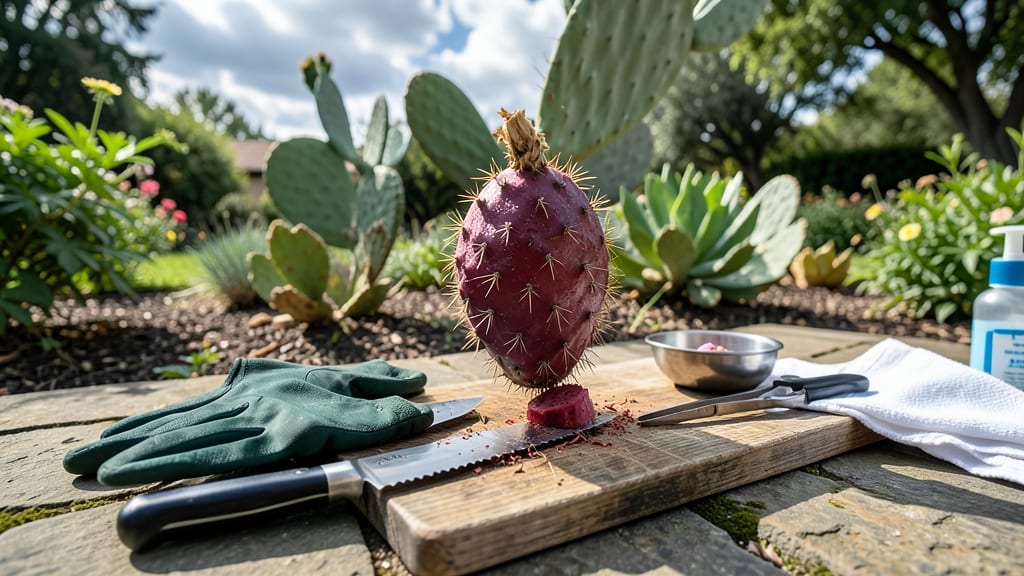
Cutting cactus fruit safely turns those spiky pads into sweet, juicy treats—no pokes required. 🌵 The trick is patience and the right tools, because one wrong move means a trip to the ER.
I've sliced dozens of prickly pears without a single scratch, and I'll show you exactly how to do it too.
You'll need heavy-duty gloves, a sharp chef's knife, long tongs, and a bowl of water. The gloves protect your hands from the tiny but painful glochids (those fuzzy spines that cling like static), while the water keeps the fruit stable and your workspace clean.
A cutting board with a lip helps prevent rolling, and a towel catches any stray spines that escape.
Start by slicing off the ends, then cut lengthwise down the middle—peel away the skin if you prefer, or leave it on for extra fiber. The seeds are edible but can be removed if you want a smoother texture.
What you end up with is a vibrant, honey-sweet fruit that tastes like a mix of pear and watermelon, with just a hint of almond.
Store the cut fruit in an airtight container in the fridge for up to 5 days, or freeze it for longer storage. The key is speed—once cut, the fruit starts oxidizing, so work quickly.
If you harvest from your own garden, time your cutting for when the fruit is fully ripe but still firm to the touch.
📚 In This Guide
- What you need
- Instructions
- Tips and common mistakes
- Wrapping up and next steps
What you need
- ● Ripe cactus fruit – Choose a fully ripe fruit (usually bright red, yellow, or purple) for the best flavor and texture. 🌵✨
- ● Heavy-duty gloves – Thick, cut-resistant gloves (like gardening or meat-cutting gloves) to protect your hands from spines. No exceptions!
- ● Sharp chef’s knife – A long, sturdy 8-inch chef’s knife (or a serrated knife for tougher skins) is ideal for clean cuts.
- ● Cutting board – A large, stable board (preferably plastic or wood) to avoid damaging your countertop.
- ● Tongs or long-handled pliers – For gripping and removing the fruit from the plant without direct contact.
- ● Paper towels or damp cloth – To wipe away spines or sap that might cling to your fruit.
- ● Bowl or container – For collecting seeds or pulp if you’re prepping for recipes.
- ● Plastic wrap or bag – To temporarily store the fruit if you’re not cutting it right away.
- ● Food-safe sanitizer – A spray or wipe to clean the fruit before cutting (especially if it’s wild-harvested).
- ● Small brush – A soft-bristle brush to gently remove lingering spines after cutting.
- ● Apron or old clothes – Cactus sap can stain, so dress for the job!
Step-by-step instructions for cutting cactus fruit safely
Here’s how to slice into that plump, spiky fruit without ending up with a prickly mess.
🧤 Step 1: Protect Your Hands and Workspace
First, grab a pair of thick gardening gloves—the kind rated for thorns or cactus work. I always double-check the gloves have no holes before touching the fruit, even if it looks harmless. Lay out a large tray or cutting board on a stable surface, then cover it with a plastic tablecloth or newspaper to catch any stray spines or juice. This keeps your kitchen or workspace clean and safe.
Cactus fruit spines are microscopic but sharp enough to lodge in skin, so don’t skip this step. I also keep a small bowl of water nearby—if a spine lands on the tablecloth, I can dunk it in to dissolve the sticky resin that makes spines cling.
✂️ Step 2: Cut Off the Top and Remove the Spines
Use a sharp chef’s knife to slice off the very top of the fruit, about ½ inch down. This exposes the core where the spines cluster. Hold the fruit firmly with one hand while cutting—never let go of the handle. I like to make a shallow cut first to test the knife’s angle before committing to a deeper slice.
Once the top is removed, you’ll see a dense cluster of tiny spines. Use a small paintbrush or soft cloth to gently sweep away the spines. Work over the tray to catch any that fall. If spines stick to the fruit, don’t pull—they’ll break off and embed in your skin. Instead, carefully trim them away with the knife.
🍓 Step 3: Slice the Fruit Evenly for Serving
Place the fruit back on the cutting board with the cut side down for stability. Make 1-inch-thick slices from top to bottom, working quickly to avoid crushing the fruit. The flesh should separate cleanly—if it resists, the fruit might be overripe. I always cut toward myself to keep fingers clear of the blade.
For 4 servings, you’ll get about 4-6 slices per fruit, depending on size. If the fruit is very large, you can halve it first for easier handling. Serve immediately or chill for up to 2 hours before eating to preserve juiciness.
🧼 Step 4: Clean Up Spines and Tools
After slicing, inspect the fruit one last time for any missed spines. Use the paintbrush again to sweep the cutting board and tray. Dispose of spines in the trash—never rinse them down the sink, as they can clog drains. I also wash the knife and tools with warm, soapy water immediately to remove any residual resin.
For stubborn spines stuck to your skin, avoid tweezers—they can push spines deeper. Instead, use adhesive tape to gently pull them out. Keep a small roll of tape handy during the process. Once everything is clean, your juicy, sweet cactus fruit is ready to enjoy without a single prick!
Tips & tricks for handling cactus fruit safely
Here's what I learned the hard way after dealing with more spines than I care to admit.
Safety First: If you don't have gardening gloves, use a pair of thick dishwashing gloves or even heavy-duty rubber gloves. The key is to cover your hands completely—those spines are tiny but vicious. I keep a roll of duct tape nearby too, just in case any spines get past the gloves. Apply the tape directly over any embedded spines to seal them in before removing.
Knife Prep: Before you start cutting, run your sharp chef's knife under hot water for 10 seconds to soften any dried resin that might have built up. This makes the cutting process smoother and reduces the chance of the knife sticking. Also, wrap a thin layer of plastic wrap around the handle for better grip—cactus juice can make hands slippery.
Serving Prep: For the 2-hour chilling tip, I like to place the sliced fruit on a wire rack set over a plate. This allows air to circulate around all sides, keeping the slices crisp and preventing soggy bottoms. If you're serving immediately, arrange the slices on a platter with the cut side up—they'll look more appealing and stay juicier longer.
Pro Tips for Cut A Cactus Fruit
- Here's what I learned the hard way after dealing with more spines than I care to admit.
- Safety First: If you don't have gardening gloves, use a pair of thick dishwashing gloves or even heavy-duty rubber gloves.
- Knife Prep: Before you start cutting, run your sharp chef's knife under hot water for 10 seconds to soften any dried resin that might have built up.
Frequently asked questions
Got questions about slicing into cactus fruit safely and deliciously? You’re not alone! Here are answers to the most common curiosities—so you can enjoy that sweet, tangy goodness without the ouchies.
Do I need to wear gloves when cutting cactus fruit?
Yes! Even edible cactus fruits (like prickly pear) have tiny, sharp glosses (hair-like spines) that can irritate your skin. Wear thick gardening gloves or use a towel to grip the fruit while cutting. Pro tip: Rinse the fruit under warm water first to loosen any clinging spines!
How do I know when a cactus fruit is ripe and ready to cut?
Ripe cactus fruit (like prickly pear) will feel soft when gently squeezed—like a slightly overripe avocado. The color deepens too: expect vibrant reds, purples, or yellows (depending on the variety). Avoid hard or green fruits; they’re underripe and tough. Bonus: Smell it! A sweet, musky aroma means it’s ready.
Can I eat the skin of a cactus fruit, or do I have to peel it?
It depends! Prickly pear skin is edible (and packed with fiber and vitamin C), but it’s tough and bitter. Peel it if you prefer a smoother texture, or leave it on for extra nutrition. For dragon fruit, the skin is always edible—just wash it well first. Warning: Never eat the spines or tough pads (like those on a cactus stem).
What’s the best way to remove the seeds from cactus fruit?
Seeds are harmless but can be slimy or fibrous. Scoop out the flesh with a spoon, then rinse it under cool water to separate the seeds. For prickly pear, blend the pulp into smoothies or strain it for jelly. Dragon fruit seeds are tiny and edible—just chew them up! Alternative: Freeze the pulp for easier seed removal later.
My knife keeps slipping on the cactus fruit—how do I grip it better?
Slippery skin? Wrap the fruit in a damp paper towel or use a serrated knife for better traction. For extra grip, lightly score the skin with a fork first (this helps the blade stay put). Safety tip: Always cut on a stable surface, like a cutting board, and use a sharp knife to avoid accidents.
Are there any cactus fruits I shouldn’t try to cut or eat?
Stick to edible varieties like prickly pear (opuntia), dragon fruit (pitaya), or barrel cactus fruit (when cooked). Avoid wild or unknown cacti—they can be toxic! If you’re unsure, research the species or consult a local expert. Remember: When in doubt, throw it out!
Wrapping up and next steps
Cutting cactus fruit can feel intimidating, but with the right tools and precautions, you’ll unlock a sweet, juicy reward worth the effort! Remember to wear gloves and goggles, use a sharp knife, and work in a well-ventilated area for safety.
Once you’ve mastered the technique, enjoy the fruit fresh, in smoothies, or even as a tangy jam—the possibilities are endless!
Now that you’re ready to tackle it, why not share your cactus harvest with friends or experiment with new recipes? Try pairing it with citrus or mint for a refreshing twist. Happy cutting—and may your cactus fruits always be plentiful! 🌵✨