
Blooming
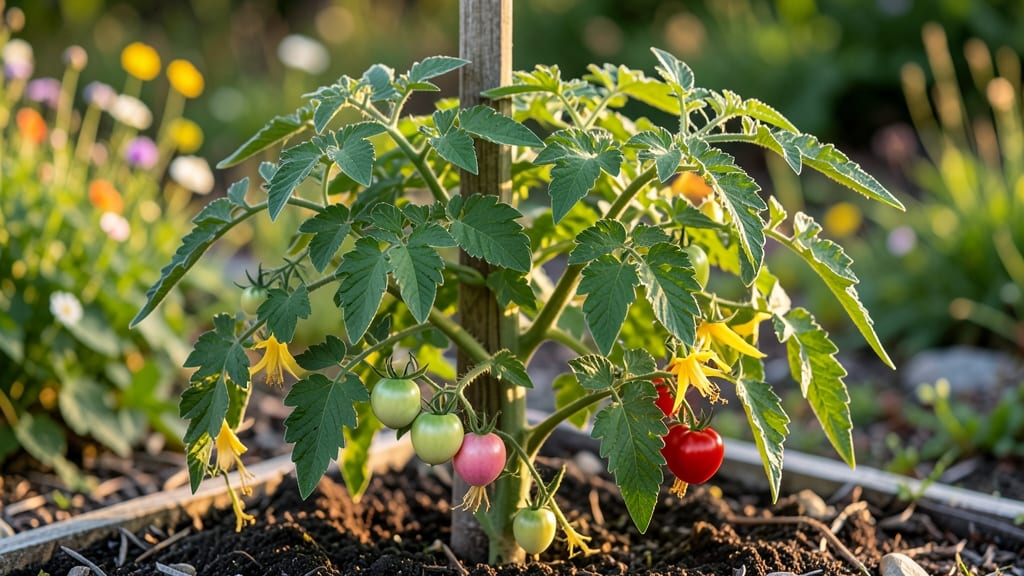
Tomatoes take 60 to 100 days to produce fruit after planting, depending on the variety and growing conditions — but that timeline can feel like a mystery if you don’t know what to watch for.
Picture this: you’ve nurtured your seedlings through germination, transplanted them with care, and now you’re staring at a wall of green leaves with no sign of those juicy 🍅 you were promised. Where did the time go?
The truth is, fruit production hinges on more than just days on the calendar. Sunlight, temperature, and even your watering habits can speed up or stall the process. In this guide, I’ll break down the exact stages—from flowering to harvest—so you know what to expect and how to troubleshoot delays.
You’ll learn how to recognize the signs of readiness, adjust care for faster results, and avoid common pitfalls that leave your plants flowering but not fruiting. Let’s get those tomatoes producing!
Tomato growth stages: exact timeline from seed to fruit production
If you're growing tomatoes, patience is key—but knowing the exact timeline from seed to harvest helps you set realistic expectations. Most tomato varieties follow a predictable growth pattern, though heirloom vs. hybrid differences can shift the schedule by weeks.
Let’s break down each stage so you can track progress and troubleshoot delays early.
From the moment you plant a seed, tomatoes go through 5 distinct growth stages: germination, seedling, transplanting, flowering, and fruiting. The total time from seed to harvest typically ranges from 60 to 100 days, depending on the variety.
For example, cherry tomatoes often mature faster (around 60–70 days), while large heirlooms like Brandywine can take 85–100 days.
The summary table below outlines the exact timeline for common tomato varieties, including key milestones like first flowers and fruit set. Use this as your roadmap to anticipate each phase and adjust care accordingly.
| Growth Stage | Days to Complete (Seed Start) | Days to Complete (Transplant Start) | Key Actions | Notes |
|---|---|---|---|---|
| Germination | 5–14 days | — | Keep soil 70–85°F, moist | Hybrids sprout faster than heirlooms |
| Seedling | 14–30 days | — | Provide 12+ hours light, harden off | True leaves appear at 14 days |
| Transplanting | 30–45 days | — | Plant after last frost, 18" apart | Indeterminate varieties need stakes/cages |
| Flowering | 45–60 days | 20–35 days | Ensure 6–8 hours sun, pollinate if needed | First flowers appear on 4th–6th leaf |
| Fruiting | 60–100 days | 35–70 days | Water deeply, prune suckers, fertilize lightly | Cherry tomatoes fruit 2–3 weeks earlier |
Understanding these stages helps you adjust care practices at the right time. For example, once your plants reach the flowering stage (around 45–60 days for seed starts), you’ll want to focus on pollination support—especially in greenhouses or rainy climates.
Hand-pollinate by gently shaking plants or using a small brush to transfer pollen from flower to flower.
Hybrid varieties like Early Girl or Sweet 100 often reach the fruiting stage faster than heirlooms, thanks to their disease resistance and compact growth. Heirlooms like San Marzano or Black Krim may take longer but reward you with superior flavor.
If you’re starting from transplants (not seeds), you’ll skip the germination and seedling stages, shaving off 30–45 days from the total timeline.
One common misconception is that tomatoes will fruit immediately after flowering. In reality, there’s often a 7–14 day gap between flower appearance and fruit set. During this time, ensure your plants receive consistent water and balanced nutrients (too much nitrogen delays fruiting).
If flowers drop off without setting fruit, it could signal stress from heat, drought, or poor pollination.
For container growers, timing can shift slightly due to limited root space. Dwarf or bush varieties like Tiny Tim or Patio Princess mature faster in pots but may produce smaller yields compared to in-ground plants.
If you’re growing in containers, use a 5-gallon pot minimum and fertilize every 2–3 weeks once flowering begins.
Pro tip: Track your tomato plant’s progress with a growth journal. Note the date of first true leaves, first flowers, and first fruit. Over time, you’ll spot patterns—like how cooler nights delay flowering or how overhead watering can wash away pollen.
Adjust your approach each season for faster, healthier fruit production.
Remember, while these timelines are averages, real-world conditions like temperature, sunlight, and soil quality play huge roles. A plant in Zone 10 with year-round warmth may fruit in 50 days, while one in Zone 5 could take 100+ days.
Pay attention to your local climate and adjust expectations accordingly.
Now that you know the exact timeline, you can plan your garden layout, succession plantings, and even extend your harvest by choosing fast-maturing varieties or using row covers to protect early flowers from frost. Happy growing—your first ripe tomato is just around the corner! 🌱
Factors that speed up or delay tomato fruit production
Your tomato plants' fruit production timeline depends on more than just the variety you chose. While cherry tomatoes might fruit in 60-70 days and heirlooms take 80-100 days, environmental factors can push these timelines weeks faster or slower.
Understanding these variables helps you create ideal growing conditions for faster harvests.
Sunlight exposure is the single most critical factor for speeding up tomato production. Tomatoes need 6-8 hours of direct sunlight daily to set flowers and develop fruit efficiently.
Even partial shade can delay flowering by 10-14 days, while full sun exposure can cut the timeline by 2-3 weeks in optimal conditions.
6-8+ hours daily = 2-3 week faster production
60-85°F = optimal fruit set; below 55°F = delayed flowering
Deep watering every 2-3 days prevents stress-induced delays
Balanced 5-10-10 fertilizer every 4-6 weeks = faster vine growth
Hand-pollinating or attracting bees = reduces 5-10 day delays in fruit set
Temperature plays a crucial role in determining how quickly your tomatoes will produce fruit. Ideal temperatures range between 60-85°F for optimal growth. When nighttime temperatures drop below 55°F, flowering can be delayed by 1-2 weeks, and fruit set may fail entirely.
Conversely, temperatures above 90°F can cause blossom drop, further extending your harvest timeline.
Watering habits directly impact your tomato plants' ability to produce fruit efficiently. Inconsistent watering leads to stress, which can delay flowering by 10-14 days. Deep watering every 2-3 days at the soil level (not the leaves) ensures steady growth.
Avoid overhead watering, especially in the evening, as it can promote fungal diseases that weaken plants and slow down fruit production.
Soil nutrients are another critical factor that affects how quickly your tomatoes will bear fruit. A balanced 5-10-10 fertilizer applied every 4-6 weeks during the growing season provides essential nutrients for faster vine growth and earlier fruit production.
However, avoid over-fertilizing with nitrogen, as it promotes leafy growth at the expense of fruit development. Instead, focus on a phosphorus-rich fertilizer when flowers first appear to encourage blooming.
Pollination is often overlooked but can significantly delay fruit production if not addressed. While tomatoes are self-pollinating, poor pollination from lack of bees or wind can result in 5-10 day delays in fruit set.
Hand-pollinating by gently shaking plants or using a small brush to transfer pollen can help ensure timely fruit development. Planting bee-friendly flowers nearby also attracts pollinators and speeds up the process naturally.
By optimizing these five key factors—sunlight, temperature, watering, soil nutrients, and pollination—you can significantly speed up your tomato plants' fruit production timeline.
Even small adjustments, like moving plants to a sunnier spot or ensuring consistent watering, can make a noticeable difference in how quickly you enjoy your homegrown tomatoes.