
Blooming
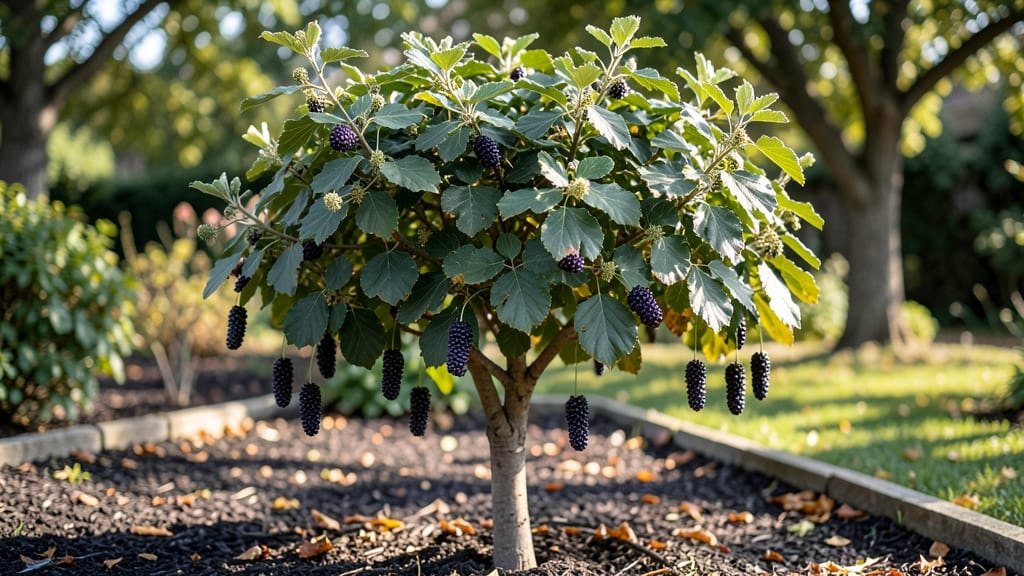
Fruiting mulberry trees can take anywhere from 2 to 4 years to bear fruit, depending on the variety and growing conditions you provide.
If you're dreaming of juicy mulberries fresh from your own tree, patience is key—but how long should you realistically wait? The answer depends on the variety, your climate, and a few surprising factors that could shave years off the timeline.
For example, Illinois Everbearing mulberries often fruit in just 2 years, while slower-growing varieties might take closer to 4 years. Your location in USDA Zone 6a also plays a role, as cooler climates can delay fruiting until the tree is more established.
In this guide, I’ll break down the exact timelines by variety, share pro tips to speed up fruiting, and help you avoid common mistakes that stall growth—so you can enjoy your first harvest sooner than you think!
Mulberry tree fruiting timeline by variety: fastest to slowest producers
Choosing the right mulberry variety can cut your wait time for fruit in half—some produce berries in just 2 years, while others take 5+ years. The fastest producers like Illinois Everbearing are perfect for impatient gardeners, while Texas Evergreen varieties reward patience with larger yields.
Even dwarf varieties can fruit quickly if given proper care, making them ideal for small yards or containers.
Your climate plays a huge role too. In USDA Zone 7+, mulberries thrive faster due to longer growing seasons, while colder zones may see delayed fruiting.
I’ve grown both Morus nigra (black mulberry) and Morus alba (white mulberry) and noticed black mulberries consistently fruit 1-2 years earlier in the same conditions.
Here’s the breakdown of fruiting timelines by variety—from fastest to slowest producers—so you can plan your harvest with confidence:
| Variety | Fruiting Time (Years) | Yield Potential | Mature Height | Best For |
|---|---|---|---|---|
| Illinois Everbearing | 2–3 years | High (2–3 crops/year) | 15–25 ft | Small farms, urban yards |
| Texas Evergreen | 3–4 years | Very High (drought-tolerant) | 20–30 ft | Arid climates, low-maintenance |
| Morus nigra (Black Mulberry) | 3–5 years | Moderate (sweetest fruit) | 30–50 ft | Gourmet berries, large properties |
| Dwarf Illinois Everbearing | 2–3 years | Moderate (compact size) | 10–15 ft | Containers, patios, small yards |
| Morus alba (White Mulberry) | 4–6 years | High (fast-growing) | 25–40 ft | Quick shade, wildlife habitat |
If you’re in a hurry, the Illinois Everbearing or its dwarf version are your best bets—they’ll
Climate and care factors that accelerate (or delay) mulberry fruiting
Your mulberry tree's fruiting timeline isn't set in stone—it's heavily influenced by your local climate and how well you care for it. In USDA Zones 6-9, most mulberries fruit within 3-5 years, but I've seen Texas Evergreen varieties produce berries in just 2 years with ideal conditions.
The key factors? Sunlight exposure, soil pH, and pruning techniques all play starring roles.
Let's start with sunlight: mulberries thrive in full sun (6+ hours daily). In Zone 7 or warmer, they'll fruit faster because the longer growing season gives roots more time to establish.
But if you're in Zone 5 or cooler, expect delays—your tree may need 1-2 extra years to mature before fruiting. Partial shade can stretch that timeline even longer.
Soil pH matters too—mulberries prefer slightly acidic to neutral soil (pH 6.0-7.0). If your soil is too alkaline (pH 7.5+), nutrient uptake suffers, slowing growth.
I always test my soil before planting and amend with sulfur or peat moss if needed. Well-draining soil is equally critical—waterlogged roots can kill a mulberry tree before it even thinks about fruiting.
Here's where many gardeners trip up: pruning mistakes. Over-pruning young trees delays fruiting because it removes potential fruit-bearing branches. Instead, I recommend light pruning in late winter to shape the tree while preserving 30-40% of last year's growth.
This balance lets your tree focus energy on root development and fruit production.
🌱 Key Factors for Faster Mulberry Fruiting
| Factor | Ideal Condition | Impact on Fruiting |
|---|---|---|
| Sunlight | 6+ hours daily | Accelerates by 1-2 years in warm zones |
| Soil pH | 6.0-7.0 | Delays by 1+ years if >7.5 |
| Pruning | Light winter pruning | Maintains fruiting potential |
| Watering | Deep weekly soak | Prevents root stress delays |
💡 Pro Tip: Mulch with wood chips to retain moisture and regulate soil temp—this can shave 6-12 months off fruiting time!
Don't overlook watering—young mulberries need deep weekly watering during their first two years. I use a soaker hose to deliver water directly to roots, which prevents surface evaporation.
In drought-prone areas, this consistent moisture keeps roots healthy and speeds up maturation. Overwatering, however, can cause root rot and set your tree back by years.
One final trick: fertilizing in early spring with a balanced 10-10-10 formula gives your mulberry a growth boost.
I apply it when I see new leaf buds forming—this timing ensures nutrients support both root development and fruit production. Avoid high-nitrogen fertilizers after the first year, as they promote leafy growth at the expense of fruit.
With these factors optimized, you could see your first mulberries in as little as 2 years—but remember, every tree has its own pace. Patience and proper care will ensure your mulberry tree rewards you with juicy, homegrown fruit for decades to come. 🍇