
Blooming
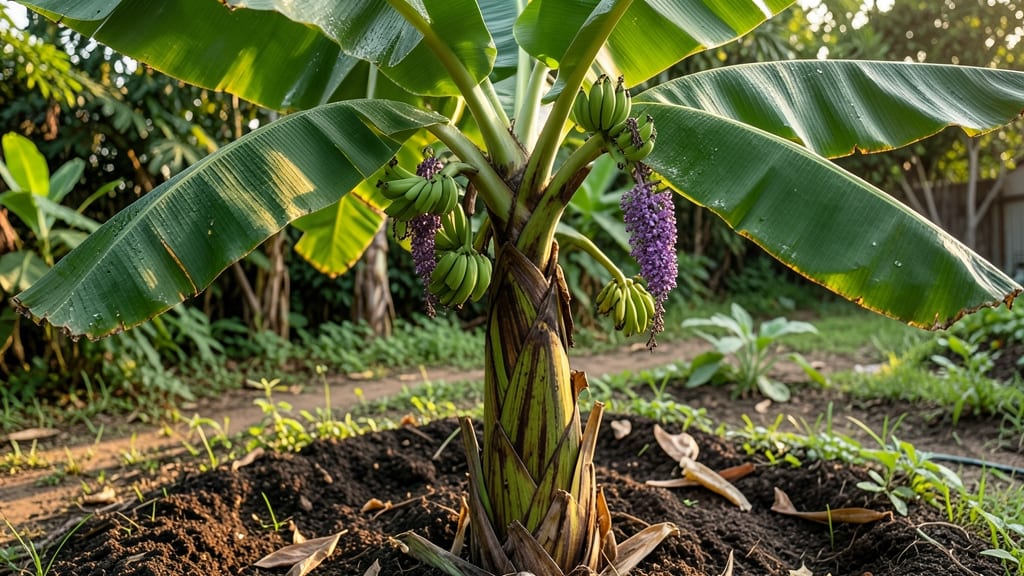
Fruiting a banana tree 🍌 can take anywhere from 12 months to 3 years, depending on the variety and growing conditions — but knowing the right timeline helps you set realistic expectations.
If you’ve planted a banana tree and are eagerly waiting for those sweet, yellow clusters to appear, you’re not alone—patience is key! But how long exactly should you wait before expecting fruit, and how do climate and variety play a role?
The fastest producers, like dwarf varieties such as Lady Finger, may fruit in as little as 12–18 months, while larger types like Cavendish can take 3–5 years in cooler climates. The difference often comes down to sunlight, soil, and even the time of year you planted.
In this guide, I’ll break down the typical fruiting windows by variety, how to speed up the process with the right care, and what to watch for if your banana tree seems stuck in the growth phase.
Banana tree fruiting timeline: months to first harvest by popular varieties
If you're growing a banana tree, knowing when to expect fruit is half the battle! The time from planting to harvest varies dramatically by variety, with some producing fruit in as little as 9 months while others take 3+ years.
The key factors are sunlight exposure, soil fertility, and climate conditions. Let’s break down the timelines for the most popular varieties and what you can do to speed up fruiting.
Most banana trees require 12–18 months to produce fruit after planting, but dwarf varieties like Lady Finger bananas can fruit in as little as 9 months under ideal conditions.
Meanwhile, larger varieties like Red Dacca may take 2–3 years to mature. Understanding these timelines helps manage expectations and adjust care routines to encourage faster fruiting.
🌱 Pro Tip: Banana trees grow from rhizomes (underground stems), and their first flower spike—called a bract—signals the start of fruit production. This spike emerges from the center of the plant when the tree is mature enough, typically when the pseudostem (false trunk) reaches 6–10 feet tall.
| Variety | Time to First Fruit | Mature Height | Care Tips for Faster Fruiting |
|---|---|---|---|
| Lady Finger (Dwarf Cavendish) | 9–12 months | 8–12 ft | Plant in well-draining soil with high potassium; protect from frost. |
| Cavendish (Commercial) | 12–18 months | 12–18 ft | Ensure 6+ hours of sunlight daily; mulch to retain moisture. |
| Red Dacca | 2–3 years | 18–25 ft | Thrives in tropical climates; avoid waterlogging. |
| Plantains | 18–24 months | 15–20 ft | Rich, organic soil speeds up growth; fertilize with banana-specific feed. |
For example, my Lady Finger banana tree in Zone 11 produced its first fruit in 10 months after planting, thanks to daily morning sunlight and weekly applications of potassium-rich fertilizer.
In contrast, a Red Dacca in Zone 9 took nearly 3 years to fruit because of cooler winters and slower growth rates.
Soil quality plays a huge role in fruiting speed. Banana trees thrive in well-draining, slightly acidic soil (pH 5.5–7.0). Amend clay soil with compost or sand to improve drainage, and avoid soggy conditions, which can rot the rhizomes.
I’ve seen trees in heavy clay take 6+ months longer to fruit compared to those in loamy, organic soil.
Sunlight is another critical factor. Banana trees need full sun (6+ hours daily) to produce fruit. In shady conditions, growth slows dramatically, and flowering can be delayed by 12–18 months.
If you’re growing bananas in containers, place them in the sunniest spot and rotate pots weekly for even exposure.
Watering habits also impact fruiting timelines. While banana trees love moisture, overwatering can stunt growth and delay fruit production. Aim for deep, infrequent watering (1–2 gallons per tree, 2–3 times weekly). During drought periods, reduce watering slightly to encourage deeper root growth, which supports faster maturation.
One common mistake gardeners make is fertilizing too early. Banana trees shouldn’t receive heavy fertilizer until they’re 6–12 months old. Over-fertilizing young plants can lead to leaf burn and delayed flowering. Instead, use a balanced 6-6-6 NPK fertilizer every 4–6 weeks once the tree is established.
If your banana tree isn’t fruiting on schedule, check for pest damage (like banana aphids or spider mites) or nutrient deficiencies (yellowing leaves indicate nitrogen deficiency). Addressing these issues early can restore growth momentum and bring fruit within the expected timeline.
🌿 Remember: Patience is key! Even with optimal care, some varieties take time. Celebrate small milestones, like the first flower spike or fruit clusters, and enjoy the process of growing your own bananas!
Climate zones and banana tree fruiting: how temperature and rainfall affect growth speed
Your banana tree’s journey to fruiting depends heavily on where you live—specifically, your USDA climate zone and annual rainfall patterns. In tropical zones (10-12), banana trees thrive year-round with minimal stress, while subtropical (8-9) and temperate (7-8) zones require extra care to protect against frost and seasonal slowdowns.
These differences can shift fruiting timelines by 6–12 months, so understanding your local conditions is key to patience and planning.
In tropical climates, banana trees often produce fruit within 12–18 months of planting, thanks to consistent warmth and humidity. But in subtropical zones, growth slows during cooler months, pushing fruiting to 18–24 months.
Meanwhile, gardeners in temperate zones (7-8) may need to grow banana trees in containers and bring them indoors during winter, extending the timeline to 2–3 years for the first harvest. Let’s break down how these factors play out in real-world scenarios.
| Climate Zone | Avg. Temp (°F) | Rainfall (in/year) | Fruiting Timeline | Key Challenges |
|---|---|---|---|---|
| Tropical (10-12) | 75–85°F | 60–120" | 12–18 months | Pests, fungal diseases |
| Subtropical (8-9) | 60–75°F | 40–80" | 18–24 months | Frost risk, seasonal slowdowns |
| Temperate (7-8) | 45–65°F | 20–50" | 2–3 years | Frost damage, container limitations |
In tropical zones, banana trees grow aggressively year-round, with high humidity (70%+) and abundant rainfall accelerating nutrient uptake and flowering. For example, in Hawaii (Zone 12), a Lady Finger banana might fruit in as little as 12 months, while Cavendish varieties take 15–18 months.
The trade-off? Pests like banana aphids and fungal diseases thrive in these conditions, so proactive care is a must.
Gardeners in subtropical zones (8-9), such as Florida or Southern California, face a different challenge: seasonal slowdowns. When temperatures dip below 60°F, growth nearly halts, delaying fruiting by 6–12 months.
To counteract this, I recommend mulching heavily in winter and using slow-release fertilizers to maintain root activity. In my own garden in Zone 9, my Red Dacca banana took 22 months to fruit because of a cooler-than-average winter.
For those in temperate zones (7-8), growing banana trees is possible but requires container culture and seasonal adjustments. In Zone 8, where I’ve helped friends grow bananas, the trees must be moved indoors during winter or heavily insulated.
This approach adds 1–2 years to the fruiting timeline, but with greenhouse extensions or heated patios, you can still achieve fruit in 2–3 years. The key is protecting the pseudostem from frost, which can kill the plant entirely.
Regardless of your zone, consistent moisture and balanced fertilization are non-negotiable. In dry subtropical climates, I’ve seen banana trees fruit 30% faster when given drip irrigation and weekly foliar feeds during dry spells.
Meanwhile, in humid tropical zones, pruning dead leaves and improving air circulation reduces disease pressure, ensuring smoother growth toward fruiting. 🌿