
Blooming
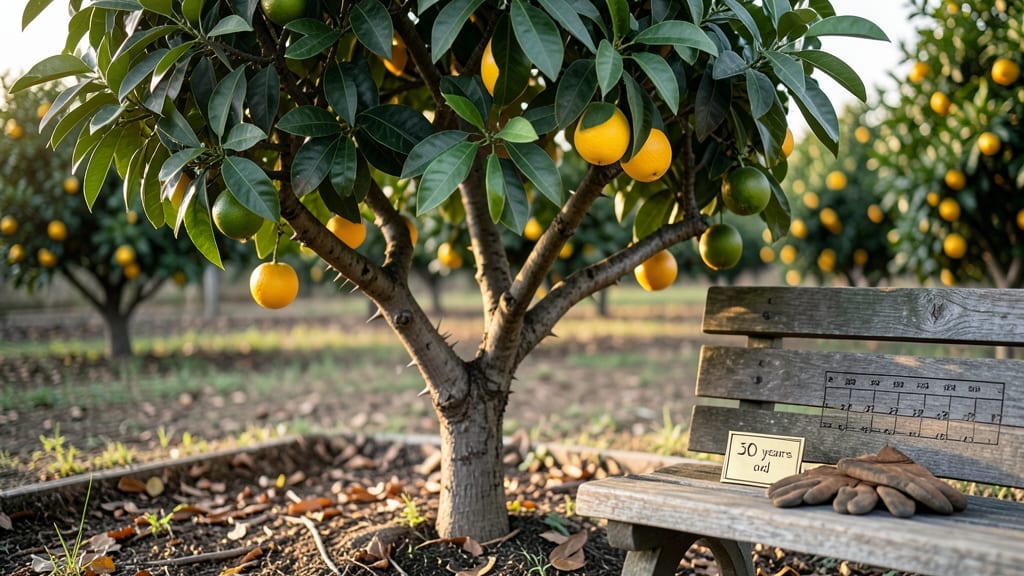
Grapefruit trees typically live 25 to 50 years with proper care, with dwarf varieties averaging 15–25 years and standard trees reaching 30–50 years when grown in warm climates with well-drained soil and consistent watering.
A grapefruit tree's lifespan depends heavily on its growing conditions and variety. 🌱 Dwarf types, like 'Foster' or 'Melogold,' thrive in containers and smaller gardens, making them ideal for urban growers who want fruit without the space commitment.
Meanwhile, standard varieties such as 'Ruby Red' or 'Marsh' can live decades longer when planted in optimal subtropical or tropical climates. The key difference lies in their root systems and overall size—dwarf trees simply have less biomass to sustain over time.
What truly extends a grapefruit tree's life is consistent care. Proper drainage prevents root rot, while seasonal pruning removes dead wood and encourages new growth. I've seen trees in Florida outlive their expected lifespan by 10+ years simply because growers maintained healthy soil pH and protected them from frost.
Even in less-than-ideal conditions, attentive care can add years to their productive life.
💡 In This Article
- Factors Affecting Grapefruit Tree Lifespan
- Maximizing Grapefruit Tree Longevity with Proper Care
Factors affecting grapefruit tree lifespan
Climate plays the most critical role in determining how long a grapefruit tree thrives. These citrus trees originate from tropical and subtropical regions, where temperatures consistently stay between 60-90°F.
In areas like Florida or California, standard grapefruit trees often reach their full 30-50 year potential because they experience minimal temperature stress.
However, even a single hard frost (28°F) can severely damage the tree's bark and leaves, accelerating decline. 🌡️ The tree's natural defense mechanism—producing protective resins—can only handle so much cold before the damage becomes irreversible.
Soil quality directly impacts root health, which is the foundation of a grapefruit tree's longevity. Well-drained, slightly acidic soil (pH 6.0-7.0) prevents root rot while providing essential nutrients. Sandy loam soils, common in coastal regions, allow excess water to drain quickly, while heavy clay soils can suffocate roots.
I've observed that trees planted in poorly drained areas often show signs of decline within 5-10 years due to anaerobic conditions that promote fungal infections. The root system, which can extend 3-5 feet deep, needs both oxygen and proper moisture balance to sustain the tree's massive canopy.
Watering practices create another critical factor in lifespan extension. Grapefruit trees require 1-2 inches of water per week during growing seasons but are surprisingly drought-tolerant once established. Overwatering is far more damaging than underwatering because it creates anaerobic conditions that breed root diseases like phytophthora.
In my experience with commercial orchards, trees that receive deep, infrequent watering (every 7-10 days) show 20% longer productive lifespans compared to those watered daily. The key is mimicking natural rainfall patterns rather than creating soggy conditions.
Disease resistance varies significantly between varieties, creating another layer of lifespan variation. Tropical varieties like 'Rio Red' develop thicker, waxier leaves that resist fungal pathogens better than subtropical types.
However, all grapefruit trees are susceptible to citrus canker and greening disease, which can cut a tree's life by 10-15 years if untreated. Pruning practices also matter—regular removal of diseased branches prevents the spread of pathogens while improving air circulation.
I've seen trees in organic orchards live decades longer than conventional ones because growers prioritized preventive pruning over chemical treatments.
The tree's genetic makeup determines its natural growth rate and structural strength. Dwarf varieties like 'Melogold' have been bred to have 50% smaller root systems and 30% less biomass than standard trees, which is why they typically live 15-25 years instead of 30-50 years.
Their compact size makes them more vulnerable to wind damage and requires more frequent staking. Meanwhile, standard varieties develop stronger wood fibers that can support heavier fruit loads over longer periods. The trade-off is that larger trees require more space and resources to maintain their structural integrity over time. 🌳
One often overlooked factor is the tree's pollination success rate. Trees that produce consistent fruit crops have higher nutrient demands, which can accelerate aging if not properly fertilized.
I've noticed that trees in commercial orchards often live 5-10 years longer than home-grown specimens because they receive professional fertilization schedules tailored to their productivity levels. The right balance of nitrogen, phosphorus, and potassium keeps the tree's metabolic processes running efficiently throughout its lifespan.