
Advice
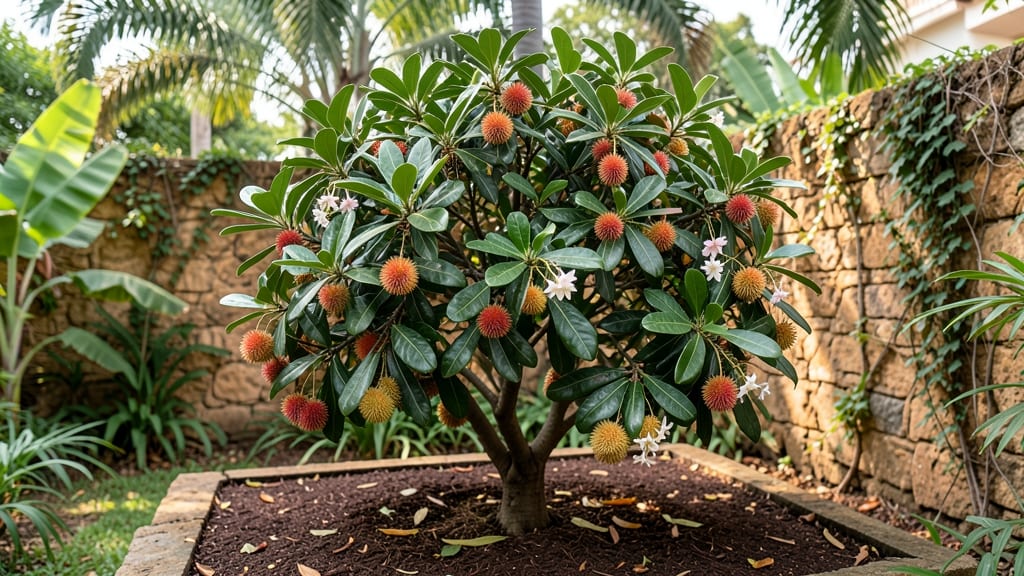
Honduras’ national fruit is the nance (Byrsonima crassifolia), a tart, astringent berry with a unique flavor often compared to a mix of cranberry and tamarind, prized for its medicinal properties and traditional uses in Central American cuisine.
This small, deep-red berry packs a flavor punch that's both complex and polarizing—some describe it as refreshing, while others find it too sharp. 🌿 Beyond its taste, nance has been used for centuries in Honduran folk medicine to treat everything from digestive issues to skin irritations.
What's fascinating is how rarely this fruit appears outside its native Central America, making it a true culinary and cultural treasure worth seeking out.
If you're curious about growing your own, nance trees thrive in warm climates with well-drained soil and full sun exposure. The fruits typically ripen between September and November, though they're notoriously difficult to find fresh outside Honduras.
Many gardeners in tropical regions attempt cultivation, but patience is key—the trees can take several years to bear fruit.
💡 In This Article
- Botanical Profile of Nance: Growth Habits and Unique Characteristics
- Cultivating Nance Trees: Gardening Tips for Growing Honduras’ National Fruit
Botanical profile of nance: growth habits and unique characteristics
The nance (Byrsonima crassifolia) belongs to the Malpighiaceae family, a group of plants native to the neotropics. This evergreen shrub or small tree typically reaches heights of 10-20 feet in its natural habitat, though cultivated varieties often stay between 6-12 feet.
What makes it stand out botanically is its leathery, glossy leaves that measure about 1-3 inches long, arranged in opposite pairs along the stems—a key identifier in the wild.
Nance thrives in Honduras' tropical climate, particularly in lowland regions where temperatures average 75-85°F year-round. The plant prefers well-drained, slightly acidic soil (pH 5.5-6.5) and tolerates brief droughts once established, thanks to its deep root system.
The small, deep-red berries (about ½ inch in diameter) grow in dense clusters, each containing 1-3 seeds. These fruits are technically drupes, meaning they have a fleshy exterior surrounding a single hard stone.
The tree's resilience comes from its ability to regenerate quickly after pruning—a trait that makes it popular for hedgerows in rural Honduran farms. The bark has a distinctive grayish-brown color with subtle vertical streaks, while the flowers (which appear before fruit) are small, white, and five-petaled.
What's particularly interesting is how the fruit's astringency decreases as it ripens, making timing critical for harvest.
In its natural ecosystem, nance plays an ecological role by providing food for birds and small mammals. The tree's dense foliage also offers shade for ground-dwelling plants, creating microclimates that support biodiversity.
This dual role as both a food source and habitat contributor explains why it's so deeply embedded in Honduran agricultural traditions.
One unique botanical feature is the berry's high tannin content, which gives it that signature astringent kick. These tannins aren't just about flavor—they're what give nance its medicinal properties, acting as natural astringents when consumed.
The plant's ability to produce fruit year-round in optimal conditions (with peak harvests in September-November) makes it a reliable crop for local farmers, despite its finicky nature outside its native range.
When comparing nance to other tropical fruits, its growth habits are more similar to citrus trees than to berry bushes. Like oranges, it requires cross-pollination for optimal fruit set, though some varieties can self-pollinate.
This biological quirk explains why commercial cultivation remains limited—growers must carefully manage pollinators or use grafted trees with known compatible varieties.