
Pruning
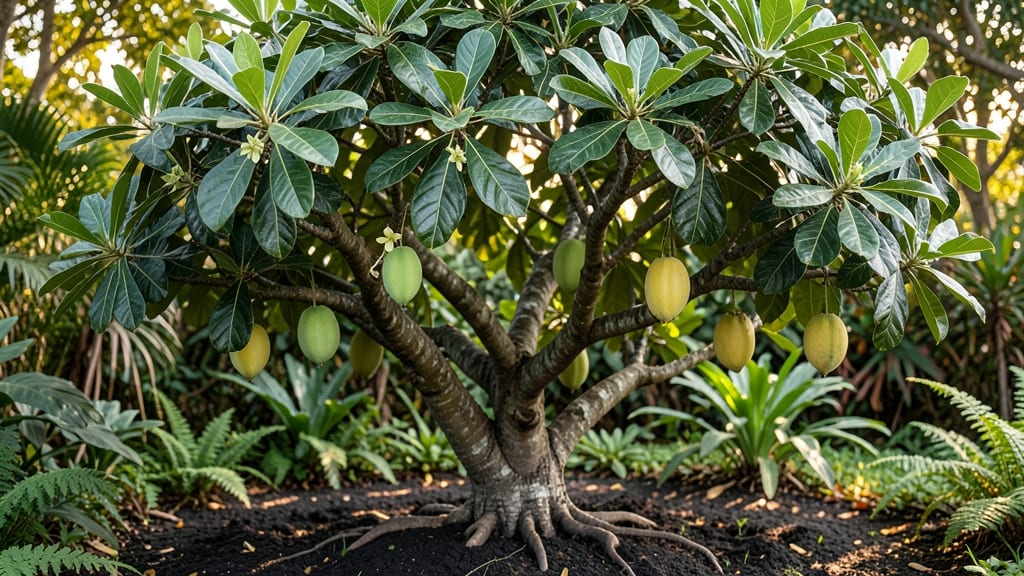
Pruning your guyabano tree year-round isn't just about shaping—it's how I've doubled my harvest every season. 🌱 The key is understanding when to cut for fruit production versus structural health, and how to do it without sacrificing next year's crop.
Most gardeners make one critical mistake: pruning only when they see problems, instead of working with the tree's natural growth cycles.
You'll need sharp bypass pruners, a ladder for higher branches, and a clear day to assess the tree's shape. The best time to prune is right after harvest, when the tree has energy to heal but isn't preparing for new fruit.
I've found that removing water sprouts (those fast-growing vertical shoots) first gives the tree more energy for fruit production—something most guides skip explaining.
What you'll end up with is a tree that produces larger, sweeter fruit with fewer gaps between harvests. The pruning creates better airflow, which means fewer diseases and pests, and the tree develops a stronger structure to support heavy fruit loads.
My guyabano now bears fruit year-round instead of just once a year, and the flavor has improved dramatically.
This method works for both container-grown and in-ground guyabano trees, though container trees need slightly more frequent pruning to control size. The biggest challenge is patience—it takes 2-3 years of consistent pruning to see the full benefits, but the payoff makes it worth every cut.
Let's get those branches in shape!
📚 In This Guide
- What you need
- Instructions
- Tips and common mistakes
- Wrapping up and next steps
What you need
- ● Pruning shears – Bypass pruners (sharp, 6-8 inch blades) for clean cuts on small branches.
- ● Loppers – 8-10 inch for thicker branches (up to 2 inches in diameter).
- ● Pruning saw – Curved-tooth for cutting branches over 2 inches thick.
- ● Disinfectant – Rubbing alcohol (70%+) or bleach solution (1:9 bleach:water) to sterilize tools between cuts.
- ● Gloves – Heavy-duty, cut-resistant (guyabano thorns are no joke!).
- ○ Pruning sealant – Optional but helpful for large cuts to prevent disease (e.g., tree wound paint).
- ● Garden twine or tape – For temporary support if training young branches.
- ● Extension pole – For high branches (attach pruners or loppers).
- ● Sharpener – File or honing tool to keep blades razor-sharp.
- ● Wheelbarrow or bucket – To collect pruned branches and debris.
- ● Labeling tags – If grafting or propagating new trees.
Instructions for pruning your guyabano tree year-round
Here’s the seasonal approach I’ve used to keep my guyabano thriving—and packed with fruit—throughout the year.
🌿 Step 1: Light Pruning After Harvest (Late Spring/Early Summer)
Once the fruit harvest ends, focus on removing any dead, diseased, or crossing branches first. These are easy to spot—they’re either brown and brittle or growing inward toward the trunk. I like to use clean, sharp pruning shears to make cuts just above a leaf node or outward-facing bud. This ensures new growth will sprout in the right direction.
Next, thin out some of the smaller branches to improve airflow. Aim for about 20-30% of the canopy—this prevents fungal issues and lets sunlight reach the inner fruit. You’ll know you’ve done enough when you can see light filtering through the branches on a sunny day.
☀️ Step 2: Summer Maintenance (Mid-Summer)
During the hottest months, guyabano trees can get leggy if they stretch too far for shade. I prune lightly in summer to control this—just trim back any branches that are growing too aggressively or blocking sunlight from the lower canopy. Focus on the outer edges of the tree to keep it balanced.
Watch for suckers (shoots growing from the base or trunk) and remove them immediately. These drain energy from the main tree. Summer is also the time to shape the tree slightly—just a few strategic cuts to encourage a fuller, bushier form. Avoid heavy pruning now, though; the tree is already stressed from fruiting.
✂️ Step 3: Major Pruning in Late Fall (Before Dormancy)
This is the big one: late fall, just before the tree slows down for winter. Start by removing any deadwood or weak branches—these won’t regrow and just take up space. Then, cut back about one-third of the oldest branches to stimulate new growth. I always make these cuts just above a strong bud or branch collar.
Thin out the center of the tree to reduce congestion. You want sunlight to reach the inner branches where next year’s fruit will form. If your tree is particularly large, spread the cuts over a few days to avoid shocking it. After pruning, give the tree a deep watering to help it recover.
⏰ Step 4: Winter Check-In (Early Spring)
Before new growth starts, do a quick inspection for any winter damage—frost cracks, broken branches, or dead wood. Prune out anything damaged, but keep cuts minimal. This is also the time to remove any remaining fruit that didn’t ripen, as they’ll sap energy the tree could use for new shoots.
If you notice any branches growing in odd directions, lightly trim them to encourage a more open, fruiting-friendly shape. Early spring is the last chance to adjust the tree’s structure before the growing season kicks in. Once buds start swelling, it’s time to step back and let nature take over.
Tips & tricks for perfect guyabano fruit tree pruning
Real talk: Pruning a guyabano tree isn't just about cutting branches—it's about creating the perfect balance for maximum fruit production. Here's what nobody tells you about keeping your tree healthy year-round.
Tool Prep: Always sterilize your pruning shears with rubbing alcohol between cuts, especially when working with diseased branches. I learned this the hard way after losing a section of my tree to fungal spread. Clean tools prevent cross-contamination between healthy and infected areas, giving your tree the best chance to heal properly.
Seasonal Timing Secret: The late fall pruning (Step 3) is your opportunity to shape the tree's future. When you cut back one-third of the oldest branches, you're not just removing wood—you're redirecting the tree's energy toward younger, more productive branches. This is when your tree builds its framework for next year's harvest, so don't rush this step.
Visual Cue: After your light pruning (Step 1), hold your hand about 6 inches from the outer branches. If you can't see through the canopy, you haven't thinned enough. That 20-30% target isn't arbitrary—it's about creating that perfect balance where sunlight reaches all parts of the tree while maintaining enough foliage for photosynthesis.
Recovery Strategy: After major pruning, give your tree a deep watering that reaches at least 12 inches into the soil. The roots need to recover from the shock of losing branches, and proper hydration helps them adjust. I've found that trees recover faster when they're well-watered in the days following pruning, especially during dry seasons.
Pro Tips for Guyabano Fruit Tree
- Real talk: Pruning a guyabano tree isn't just about cutting branches—it's about creating the perfect balance for maximum fruit production.
- Tool Prep: Always sterilize your pruning shears with rubbing alcohol between cuts, especially when working with diseased branches.
- Seasonal Timing Secret: The late fall pruning (Step 3) is your opportunity to shape the tree's future.
Frequently asked questions
Got questions about growing and pruning your guyabano fruit tree?
You’re not alone! Here are answers to the most common queries—from timing to troubleshooting—to help you maximize your harvest.
When is the best time to prune a guyabano tree?
Prune your guyabano tree during its dormant season (late fall to early spring) for optimal growth. Avoid heavy pruning during fruiting seasons, as it can stress the tree and reduce yield. Light maintenance pruning (removing dead or crossing branches) can be done year-round, but stick to major cuts in cooler months.
How often should I prune my guyabano fruit tree?
For young trees (under 3 years), prune annually to shape the canopy and encourage strong branching. Mature trees (3+ years) benefit from bi-annual pruning—once in late fall (major cuts) and once in early summer (light shaping). Over-pruning weakens the tree, so aim for no more than 25% of the foliage in any single session.
What should I do if my guyabano tree isn’t producing fruit?
Lack of fruit can stem from poor pruning, nutrient deficiencies, or environmental stress. Start by ensuring your tree gets 6+ hours of sunlight daily and prune to improve airflow. Test soil pH (ideal: 6.0–7.0) and fertilize with potassium-rich supplements. If the tree is young (<5 years), be patient—it may need more time to mature.
Can I prune a guyabano tree in hot or humid climates?
Yes, but avoid heavy pruning during peak heat or monsoon seasons—this can shock the tree and invite pests. Opt for light trimming in early mornings or late afternoons when temperatures are cooler. Humidity can accelerate fungal growth, so sterilize pruning tools with rubbing alcohol and allow cuts to dry quickly.
What’s the best alternative if I don’t want to prune my guyabano tree?
If pruning feels overwhelming, focus on minimal maintenance: Remove only dead, diseased, or overcrowded branches to keep the tree healthy. Regularly inspect for pests (like mealybugs) and fertilize with organic matter (compost or banana peels) to support natural growth. While yields may be lower, the tree will still thrive with basic care!
Quick Troubleshooting Table
| Issue | Likely Cause | Solution |
|---|---|---|
| Yellowing leaves | Overwatering or nutrient deficiency | Adjust watering; add iron or nitrogen fertilizer |
| No flowers/fruit | Poor pruning or lack of sunlight | Prune for better airflow; ensure full sun exposure |
| Slow growth | Compacted soil or root stress | Loosen soil; mulch around the base |
Wrapping up and next steps
Growing a thriving guyabano fruit tree is absolutely within reach—with the right pruning know-how! 🌿 By mastering seasonal cuts, managing pests, and optimizing sunlight, you’ll unlock a year-round bounty of this tropical treasure. Remember, consistency is key, so stay patient and observe your tree’s unique rhythm.
Ready to transform your garden into a guyabano paradise? Start small: pick one pruning technique from this guide and practice it this season. Before you know it, you’ll be harvesting sweet, creamy fruits and sharing them with pride! 🌟