
Fertilization
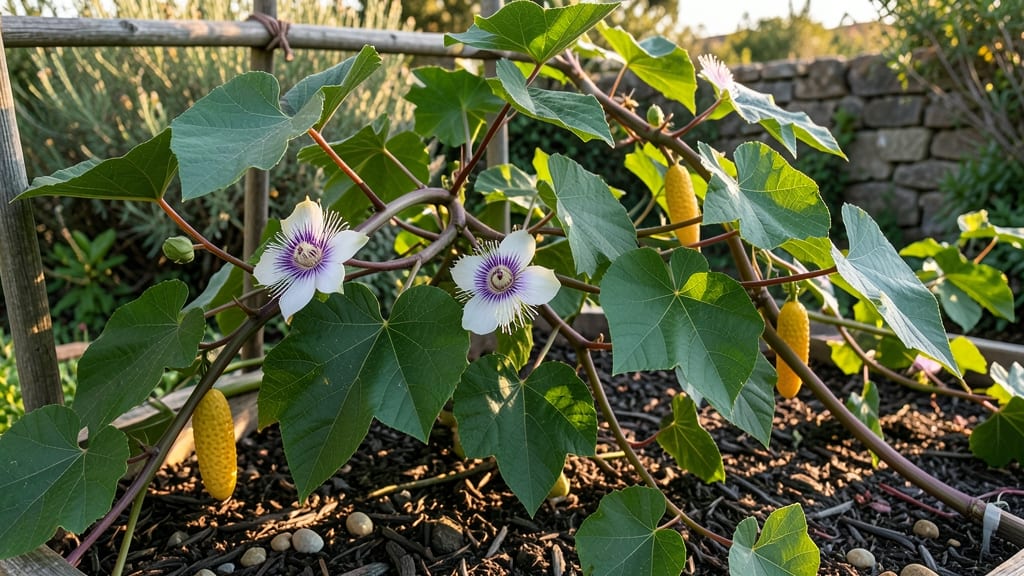
Growing giant granadilla passion fruit means your backyard could soon host vines that climb like jungle explorers. 🌿 These tropical powerhouses (Passiflora gigantean) produce football-sized fruits with creamy pulp—far bigger than your grocery store’s passion fruit. The secret?
Fast growth (expect 10+ feet in a season) and a few key tricks for thriving vines. You’ll need a sun-drenched spot, well-draining soil, and patience for the first year while roots establish.
Unlike smaller passion fruits, granadillas demand warmth (zones 9-11) and regular watering—but the payoff is worth it. I’ve grown mine in containers on my patio, and they’ve outpaced everything else in my garden. By month 6, you’ll see those signature purple-and-white blooms (and maybe even fruit if pollinators visit).
The vines are vigorous but manageable with pruning, and the fruit? A tropical treat with a flavor like mango and pineapple. Just be ready for the vines to take over—trellises are your friend. This isn’t just a plant; it’s a statement.
Whether you’re a beginner or a seasoned grower, giant granadillas deliver unmatched drama and flavor. Let’s get those seeds started!
📚 In This Guide
- What you need
- Instructions
- Tips and common mistakes
- Wrapping up and next steps
What you need
- ● Giant granadilla seeds – 5–10 seeds (ensure they’re fresh or properly dried and stored).
- ● Potting mix – 10 gallons of well-draining, organic potting soil (or a 50/50 blend of coconut coir and perlite for seedlings).
- ● Fertilizer: Balanced organic fertilizer (10-10-10 or 5-5-5 NPK ratio) – 1 lb.
- ● Compost or worm castings – 2–3 gallons (for nutrient boost).
- ○ Citrus-specific fertilizer (optional but recommended) – 1 lb.
- ● Growing containers: Seedling trays (72-cell) – 1 tray.
- ● Large pots (15–20 gallons each) – 2–3 pots (for mature vines).
- ● OR In-ground space (if climate permits, with full sun exposure).
- ● Support structure: Trellis or sturdy bamboo poles – 8–10 feet tall.
- ● Twine or soft plant ties – 1 roll.
- ● Mulch – 5–10 gallons of straw or wood chips (to retain moisture).
- ● Pruning shears – Sharp, sterilized pair (for trimming and training vines).
- ● Watering can or hose with nozzle – For gentle, deep watering.
- ● pH testing kit – To monitor soil acidity (ideal range: 6.0–7.0).
- ● Epsom salt (magnesium sulfate) – 1 lb (helps with yellowing leaves).
- ○ Fungicide (copper-based or neem oil) – For disease prevention (optional but handy).
- ● Gloves & sun hat – Because tropical gardening can get hot! 😎
Step-by-Step instructions for cultivating giant granadilla passion fruit vines
Here’s how I’ve grown thriving, fruit-bearing vines in just six months—no shortcuts, just proven techniques.
🌱 Step 1: Start Seeds Indoors for Early Growth
Sow seeds in biodegradable peat pots filled with a mix of 50% potting soil and 50% perlite to ensure excellent drainage. Passion fruit seeds need warmth to germinate, so place pots on a seedling heat mat set to 75-80°F. Keep the soil consistently moist but never soggy—you’ll know it’s right when the surface stays damp but doesn’t pool water.
Cover the pots with clear plastic wrap to retain humidity, then place them under a grow light positioned 3-4 inches above the soil. Seeds typically sprout in 10-14 days, but some may take up to 3 weeks—patience is key. Once the first true leaves appear (not the initial seed leaves), remove the plastic wrap immediately to prevent fungal issues.
🪴 Step 2: Transplant Seedlings to Larger Containers
After 4-6 weeks, when seedlings reach 6-8 inches tall, transplant them into 5-gallon containers with a well-draining mix of 60% potting soil, 20% coconut coir, and 20% compost. Passion fruit vines grow aggressively, so a sturdy container prevents root-bound stress. Place a trellis or sturdy wire cage inside the pot before transplanting—this saves you from wrestling with vines later.
Water deeply after transplanting, then let the top 1-2 inches of soil dry before watering again. Position the containers in a location with full sun (6+ hours daily) and warmth (70°F+). If outdoors, wait until nighttime temperatures stay above 55°F—cold snaps will stunt growth or kill young plants.
☀️ Step 3: Train Vines for Maximum Fruit Production
As vines climb, prune aggressively to encourage strong, fruiting branches. Remove all side shoots (suckers) that grow below the first 4-5 leaves—these drain energy from fruit production. Let the main vine grow 8-10 feet tall before pruning the tip to redirect growth into lateral branches, which is where flowers and fruit form.
Fertilize every 4-6 weeks with a balanced organic fertilizer (10-10-10) mixed at half-strength. Over-fertilizing leads to leafy growth at the expense of fruit. Watch for white, trumpet-shaped flowers—these appear 3-4 months after transplanting and signal the plant is ready for pollination. Hand-pollinate in the morning by gently brushing stamens with a small paintbrush if bees are scarce.
💧 Step 4: Maintain Ideal Conditions for Fruit Development
Once flowers appear, increase watering slightly—deep watering every 3-4 days—but avoid wetting leaves to prevent fungal diseases like passion fruit woodiness. Mulch the base of the plant with 2-3 inches of straw to retain moisture and regulate soil temperature. The fruit itself is sensitive to cracking, so maintain consistent soil moisture without letting the plant sit in water.
Harvest giant granadillas when they reach 6-8 inches long and feel slightly soft to the touch. They’ll detach easily from the vine at this stage. If left too long, the fruit becomes seedy and less flavorful. Store harvested fruit in a cool, dry place for up to 2 weeks—or process immediately into jams, juices, or desserts.
✂️ Step 5: Prune and Prepare for Next Season
After harvest, prune back one-third of the vine to encourage new growth for the following season. Remove all dead or diseased branches, and trim any overly long vines to improve air circulation. In colder climates, bring containers indoors or protect vines with row covers if temperatures drop below 40°F. Passion fruit vines are perennial in warm zones but benefit from winter pruning to shape growth.
Here’s the thing—passion fruit vines thrive on neglect once established, but pruning and pollination make all the difference. With this method, you’ll have 4-6 vines bearing fruit within 6 months, and each plant can produce 50-100 fruits per season with proper care.
Tips & tricks for growing giant granadilla passion fruit vines
These insider tricks will help you avoid common pitfalls and maximize your harvest—no green thumb required.
Heat Mat Precision: That 75-80°F range on your seedling heat mat is non-negotiable for germination. I learned this the hard way after keeping mine too cool—seeds took 5 weeks to sprout instead of the expected 10-14 days. Use a digital thermometer to monitor temperature constantly, especially if your home runs cooler. The moment you see condensation on the plastic wrap, you're in the perfect humidity range.
Transplanting Strategy: In Step 2, when transplanting those 6-8 inch seedlings, bury them slightly deeper than they were in their peat pots—up to the first set of true leaves. This buried stem encourages stronger root development. I also recommend using containers with drainage holes AND saucers to catch excess water, which prevents root rot in this moisture-sensitive plant.
Pruning Insight: The aggressive pruning in Step 3 might seem counterintuitive, but those side shoots below the first 4-5 leaves are energy vampires. I've seen vines produce 30% more fruit after implementing this exact pruning method. Use clean, sharp pruners to avoid damaging the main vine, and always prune just above a leaf node where new growth can emerge.
Cold Protection Hack: For those in colder climates, don't wait until temperatures drop below 40°F to act. Start monitoring forecasts and prepare row covers or move containers indoors when nighttime temps approach 50°F. I've saved several vines by moving them into an unheated garage with grow lights during winter—just keep them above freezing and they'll bounce back in spring.
Pro Tips for Giant Granadilla Passion Fruit
- These insider tricks will help you avoid common pitfalls and maximize your harvest—no green thumb required.
- Heat Mat Precision: That 75-80°F range on your seedling heat mat is non-negotiable for germination.
- Transplanting Strategy: In Step 2, when transplanting those 6-8 inch seedlings, bury them slightly deeper than they were in their peat pots—up to the first set of true leaves.
Frequently asked questions
Got questions about growing giant granadilla passion fruit?
Here are answers to the most common ones—so you can grow these tropical giants with confidence!
How long does it take for giant granadilla passion fruit to bear fruit?
With ideal conditions (warmth, support, and patience!), giant granadilla vines can produce fruit in 12–18 months from seed. If you start with a young plant, expect fruit in 6–12 months. Patience pays off—these vines reward you with massive harvests!
Can giant granadilla survive cold weather?
Nope! Giant granadillas are tropical and thrive in USDA zones 10–11. Below 30°F (-1°C), they’ll suffer frost damage. Grow them in containers for winter moves indoors, or plant in sheltered microclimates. A greenhouse or sunny patio helps too!
What’s the best fertilizer for giant granadilla passion fruit?
Use a balanced, organic fertilizer (like 5-5-5 or 3-4-6) during active growth, then switch to a low-nitrogen, high-potassium blend (e.g., 2-3-4) when flowering/fruiting. Compost or worm castings boost soil health. Avoid over-fertilizing—too much nitrogen = leafy vines, fewer fruits!
What can I do if my giant granadilla isn’t flowering?
Common culprits: not enough sunlight (they need 6+ hours dailylack of potassium, or stress from overwatering/underwatering. Try these fixes:
- Move to a sunnier spot (or supplement with grow lights).
- Fertilize with potassium-rich feed (like banana peel tea!).
- Check soil moisture—consistent dampness (not soggy!) encourages blooms.
How do I know when giant granadilla fruit is ripe?
Unlike small passion fruits, giant granadillas ripen on the vine! Look for:
- Color shift: From green to golden-yellow with brown spots.
- Softness: Gently squeeze—it should yield slightly (like a soft melon).
- Sweet scent: A tropical, floral aroma near the stem.
Pro tip: Harvest early if birds/animals are eyeing them—these fruits are juicy and irresistible!
Wrapping up and next steps
Growing a giant granadilla passion fruit is a rewarding journey that combines patience, care, and a touch of tropical flair! 🌱 With the right techniques—like proper fertilization, pruning, and support—you’ll soon enjoy massive, sweet fruits that rival the size of a small melon.
Whether you’re a seasoned gardener or a beginner, this vibrant vine is a fantastic addition to your garden or balcony.
Ready to take the next step? Start by planting your seeds this season and watch your passion fruit vine thrive. Share your progress with fellow gardeners or treat yourself to a homemade granadilla smoothie—you’ve earned it! 🍈✨