
Trees
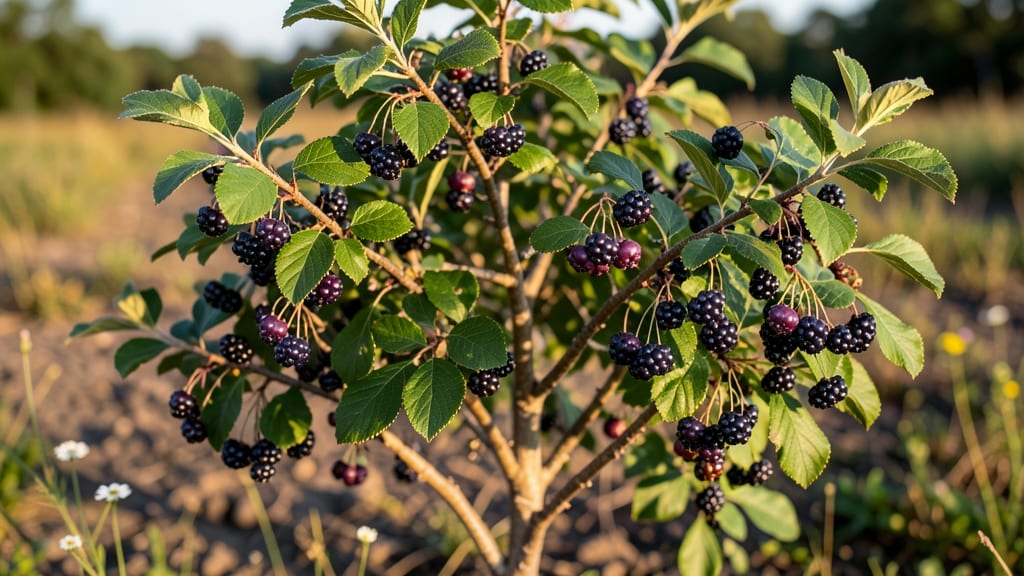
Missouri’s diverse climate—from humid summers to harsh winters—can challenge fruit growers. These 10 cold-hardy fruit trees not only survive but thrive in Show-Me State soil, offering bountiful harvests with minimal fuss for both beginners and seasoned gardeners.
Apple Trees: Honeycrisp Variety
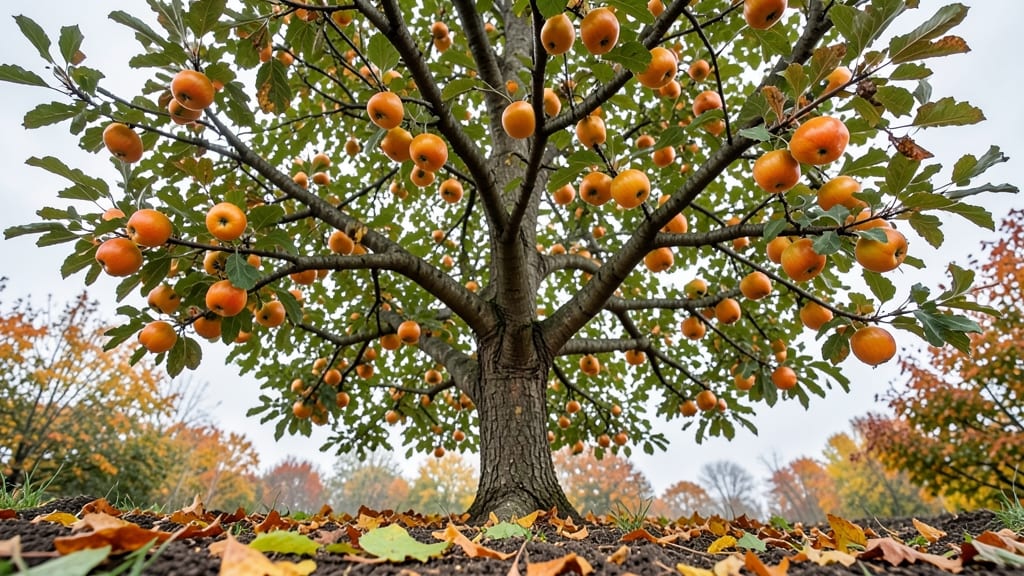
If you crave apples that balance crisp sweetness with a tangy kick, the Honeycrisp variety is Missouri’s secret weapon for home orchards. This cold-hardy favorite thrives in Zones 5-6, where it outshines other varieties with its disease resistance and reliable harvests—even in challenging summers.
Plant your Honeycrisp in well-drained soil with full sun (6+ hours daily) and space trees 20-25 feet apart for optimal airflow. The variety resists common apple diseases like scab and fire blight, making it low-maintenance. Harvest time arrives in late September, when apples turn golden-yellow with rosy blushes. Their dual-purpose flavor shines in fresh slices, caramel apples, or homemade cider.
Perfect for Missouri gardeners who want minimal fuss and maximum flavor, Honeycrisp delivers year after year. 🌟
Peach Trees: Reliance Variety
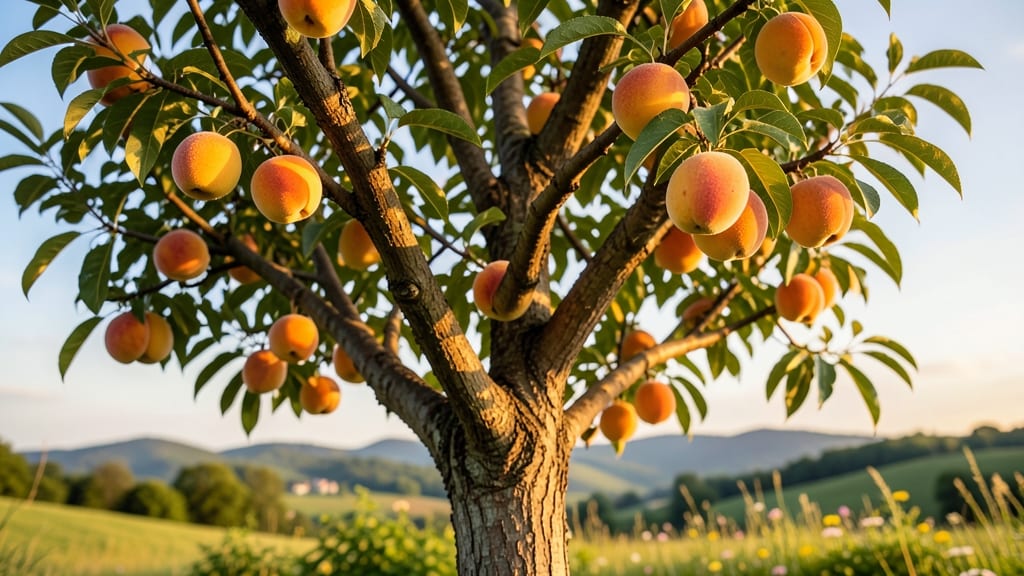
If you’ve ever dreamed of homegrown peaches but dreaded late-summer pests or unpredictable Missouri weather, the Reliance peach tree is your solution. This cold-hardy variety ripens in mid-July, beating most pests to the punch and delivering juicy, freestone fruit that’s perfect for fresh eating or canning.
Plant in full sun with well-drained soil, and protect young trees with frost cloth during late spring. The dwarf size (12-15 feet) makes it ideal for small yards, while its early harvest means you’ll enjoy peaches before humidity peaks. Gardeners in Zone 5-7 will love its resilience and sweet rewards. 🌻
Cherry Trees: Stella Dwarf Tart Cherry
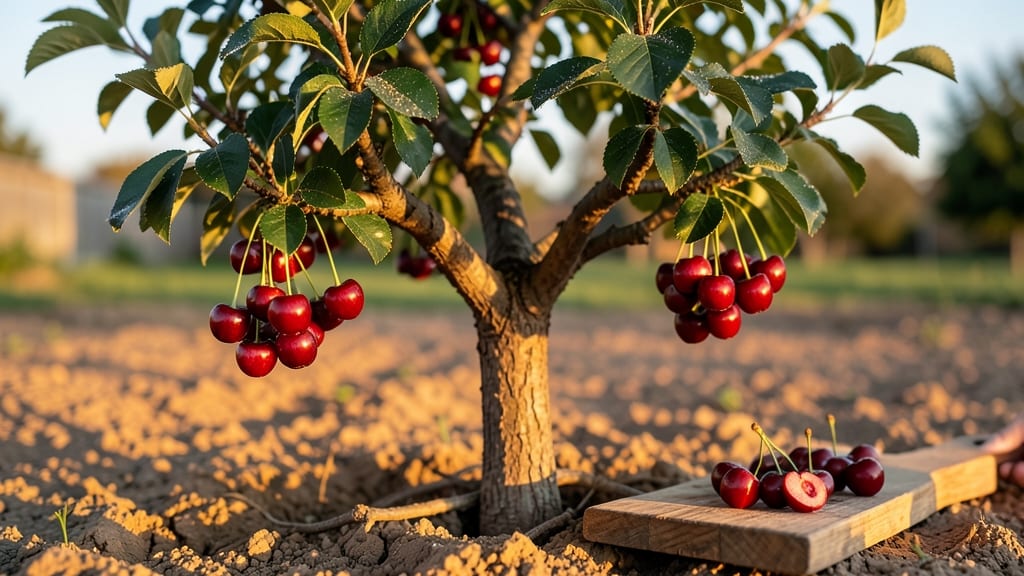
If you’ve ever dreamed of growing your own cherries but lack the space for a full-sized orchard, the Stella Dwarf Tart Cherry is your perfect solution. This compact tree thrives in Missouri’s clay-heavy soil and produces tart cherries that are ideal for pies, preserves, or fresh snacking—without the fuss of traditional cherry trees.
Reaching only 6-8 feet tall, Stella cherries require minimal pruning, making them ideal for urban gardens, patios, or small backyards. They handle Missouri’s humid summers and cold winters with ease, and their self-pollinating nature means you won’t need a second tree for fruit production. Plant in full sun for the best yield, and enjoy a harvest in late summer.
Whether you’re a first-time fruit grower or a seasoned gardener with limited space, Stella cherries deliver big flavor with minimal effort—no orchard required! 🌱
Plum Trees: Stanley Elberta Plum
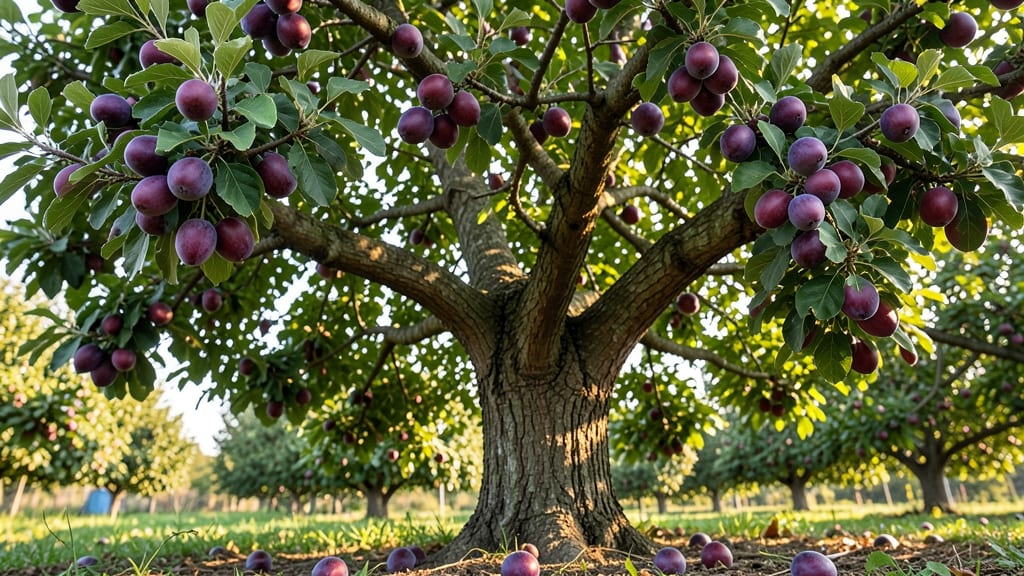
If you’re tired of fruit trees that struggle with Missouri’s humidity or attract pests like magnets, the Stanley Elberta plum is your game-changer. This variety thrives in the Show-Me State’s climate, producing large, sweet-tart plums that are perfect for fresh snacking, canning, or jams—without the usual pest battles.
Stanley Elberta plums ripen in late summer, giving you a head start on harvest before pests like plum curculio become a nuisance. They’re self-fertile, so you only need one tree for a bountiful crop, and their disease resistance means fewer sprays and more fruit. Plant in full sun with well-drained soil, and you’ll enjoy juicy, flavorful plums with minimal fuss.
This is the ideal choice for small-space gardeners or those who want a low-maintenance fruit tree that delivers big rewards. 🌱
Pear Trees: Bartlett Pear
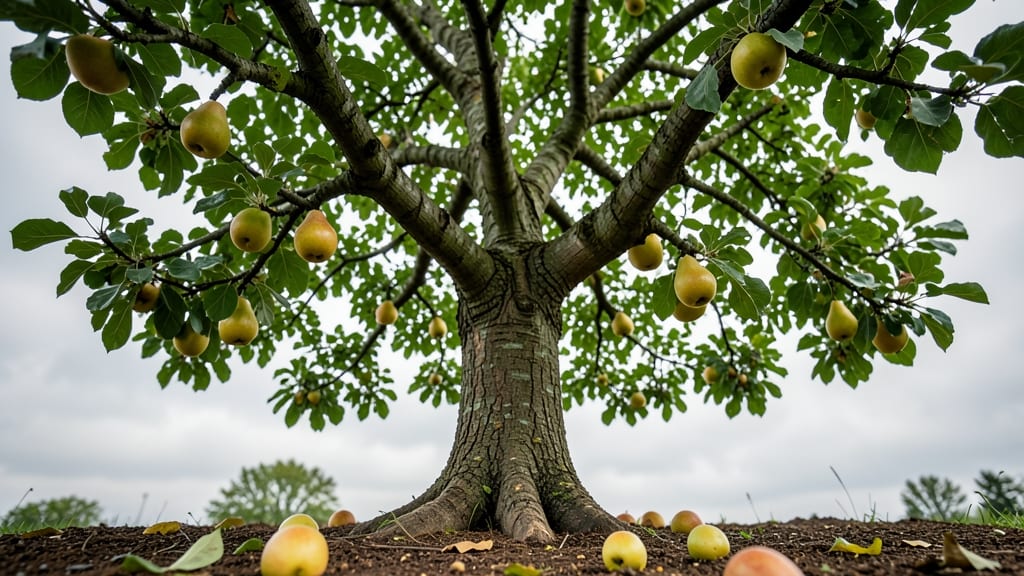
If you crave juicy, versatile fruit that thrives despite Missouri’s unpredictable weather swings, the Bartlett pear is your answer. This classic variety handles both humidity and occasional cold snaps with ease, making it one of the most adaptable fruit trees for the region.
Bartlett pears produce golden-green fruit perfect for fresh salads, poaching, or baking—harvesting in late summer to early fall when the fruit softens slightly. The variety is also disease-resistant, reducing the need for chemical sprays, and does well in well-drained soil with full sun to partial shade. For best results, plant two trees for cross-pollination, though some Bartletts can self-pollinate.
This low-maintenance tree is ideal for homeowners who want reliable harvests without the fuss of high-maintenance fruit trees. 🌟
Fig Trees: Celeste Fig
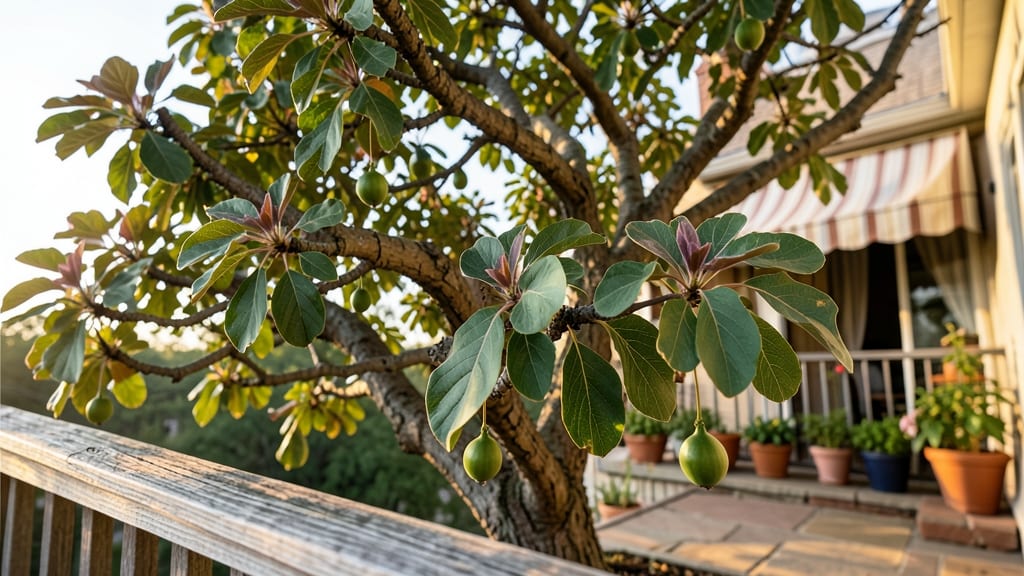
If you’ve ever dreamed of growing figs but live in Missouri’s unpredictable climate, the Celeste fig is your game-changer. Unlike traditional figs that struggle with cold snaps, this variety thrives in Missouri’s heat and can even handle brief freezes—making it perfect for patios, balconies, or small yards.
Celeste figs produce sweet, dessert-quality fruit that ripens from late summer through fall, and they’re surprisingly adaptable. Plant them in a large container with well-draining soil and place them in full sun for maximum fruit production. Even in Missouri’s clay-heavy soil, they’ll reward you with minimal fuss—just ensure they get consistent water during dry spells.
This fig is ideal for urban gardeners, renters, or anyone with limited space. With its compact growth and cold tolerance, you can enjoy fresh figs straight off the tree without the commitment of a full orchard. 🌱
Blueberry Bushes: Top Hat Blueberry
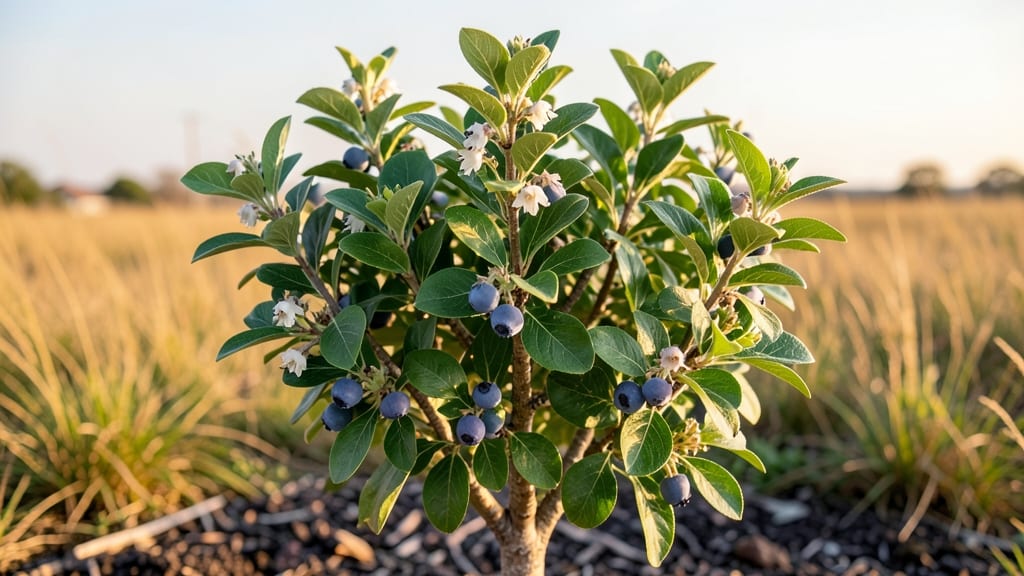
Skip the fuss of finicky fruit trees—Top Hat blueberries deliver the same rewards as a bush with none of the upkeep. This Missouri-bred variety thrives in dry spells and humid summers, making it the perfect low-maintenance choice for gardeners who want berries without the drama.
Plant in full sun with well-draining soil, and you’ll get sweet, firm berries ready for picking by mid-summer. The compact size (4-5 feet tall) fits small yards or containers, while its disease resistance means fewer pesticides and more berries. Perfect for fresh eating, muffins, or freezing—no cross-pollination needed!
Urban gardeners and beginners will love how Top Hat blueberries handle Missouri’s climate like a pro, producing harvests year after year with almost no effort. 💚
Persimmon Trees: Fuyu Asian Persimmon
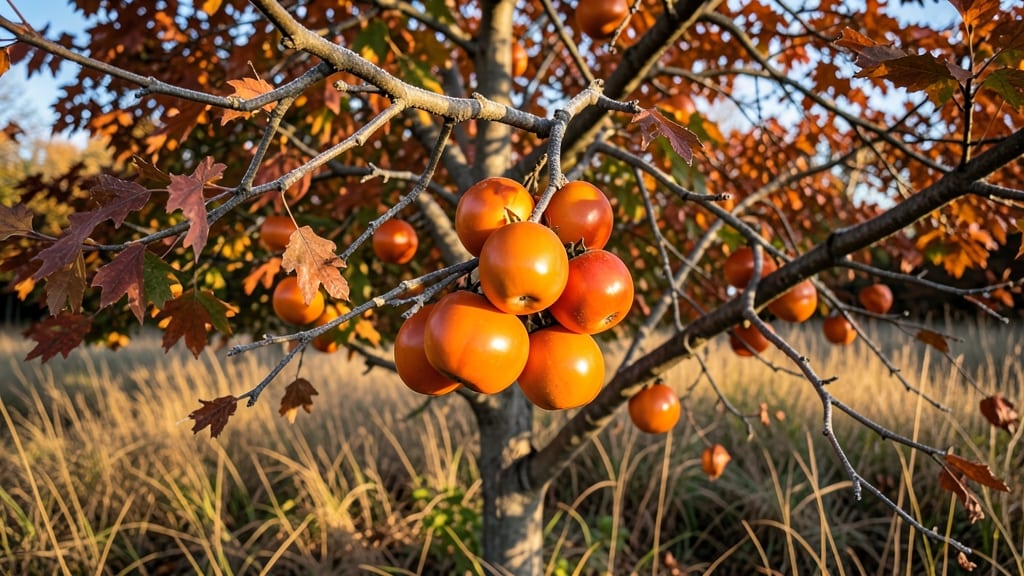
If you’ve ever struggled with fruit that’s too soft or overripe before you can enjoy it, the Fuyu Asian persimmon is your game-changer. Unlike traditional persimmons, this variety stays firm and sweet when fully ripe—perfect for Missouri’s crisp fall air without the risk of spoilage.
This cold-hardy tree thrives in USDA Zones 5-8, making it ideal for Missouri’s winters, and produces acorn-shaped fruit that’s ready to harvest in late October. The non-astringent (non-bitter) flesh means you can eat it fresh, slice it into salads, or bake it into muffins—no waiting for the perfect softness.
Gardeners with limited space will love its compact size (15-20 feet tall), while those in urban areas can even grow it in large containers. It’s a low-maintenance, high-reward addition for anyone craving year-round harvests with minimal fuss. 🌻
Pawpaw Trees: Sunflower Pawpaw
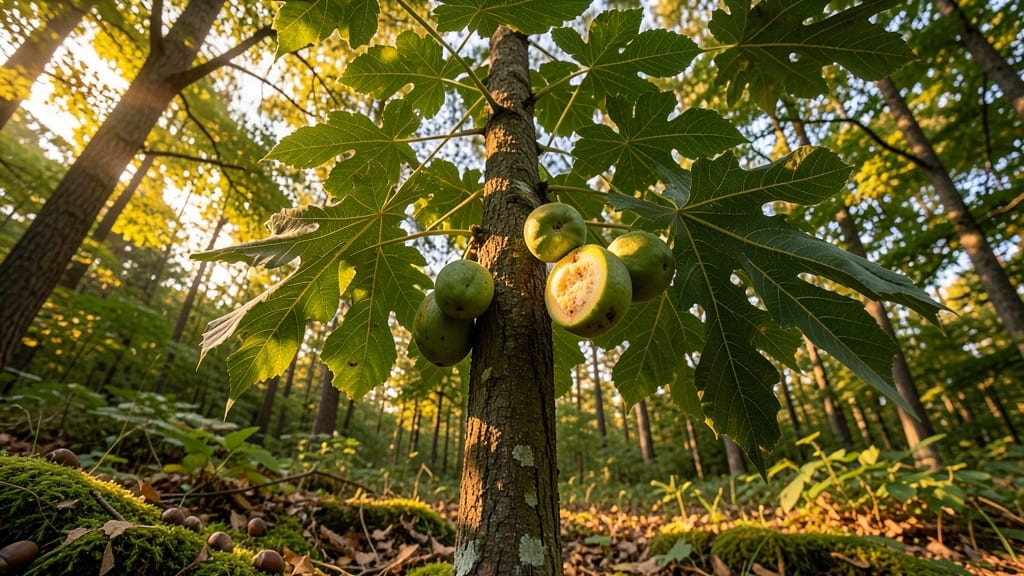
If you’ve ever craved tropical flavors but live in Missouri’s shade-loving landscapes, the Sunflower pawpaw is your secret weapon. This native tree thrives where others falter—under dense canopies or along forest edges—delivering custard-like fruit that tastes like a mix of banana, mango, and pineapple.
Pawpaws are low-maintenance powerhouses: they tolerate poor soil, need little water once established, and produce fruit after just 3-5 years. Plant them in partial to full shade for optimal growth, and watch as their large, heart-shaped leaves create a lush understory. Deer and rabbits typically avoid them, making them a safe choice for wildlife-friendly gardens.
Perfect for permaculture enthusiasts or those with woodland gardens, pawpaws offer a unique harvest window (late summer to early fall) and pair beautifully with native shrubs. Try one and enjoy Missouri’s only native fruit tree! 🌿
Elderberry Bushes: York Elderberry

If you’re looking for a low-maintenance shrub that thrives in Missouri’s unpredictable weather while offering medicinal and culinary benefits, the York elderberry is your answer. Unlike finicky fruit trees, elderberries are cold-hardy (zones 3-8), pest-resistant, and adaptable to both wild and cultivated spaces—making them perfect for hedgerows, permaculture designs, or even urban yards.
These shrubs produce dense clusters of tart berries in late summer, ideal for homemade syrups, jams, or immune-boosting teas. York elderberries also attract pollinators and birds, adding ecological value to your landscape. Plant them in full sun to partial shade and well-drained soil, and watch them flourish with minimal care—no fancy pruning required!
Perfect for homesteaders, herbalists, or gardeners who want year-round interest (their fragrant white flowers appear in spring), York elderberries are a versatile, hardworking addition to any Missouri garden. 🌿