
Trees
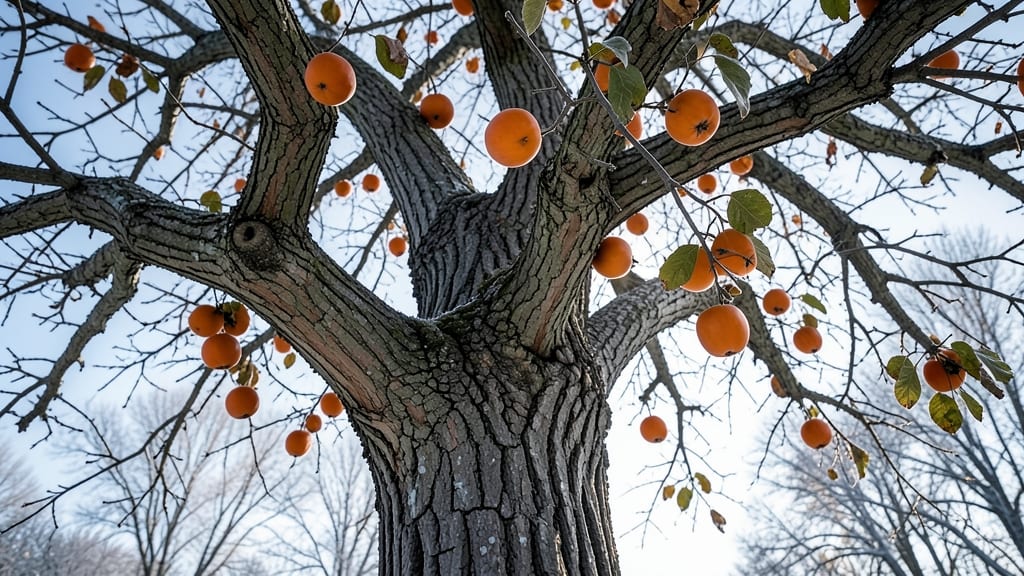
Extreme cold shouldn’t stop you from growing your own fruit. These 10 cold-hardy fruit trees survive brutal winters, produce abundant harvests, and adapt to zones as low as -30°F—perfect for northern gardeners and homesteaders.
Hardy Apple Trees for Zone 3
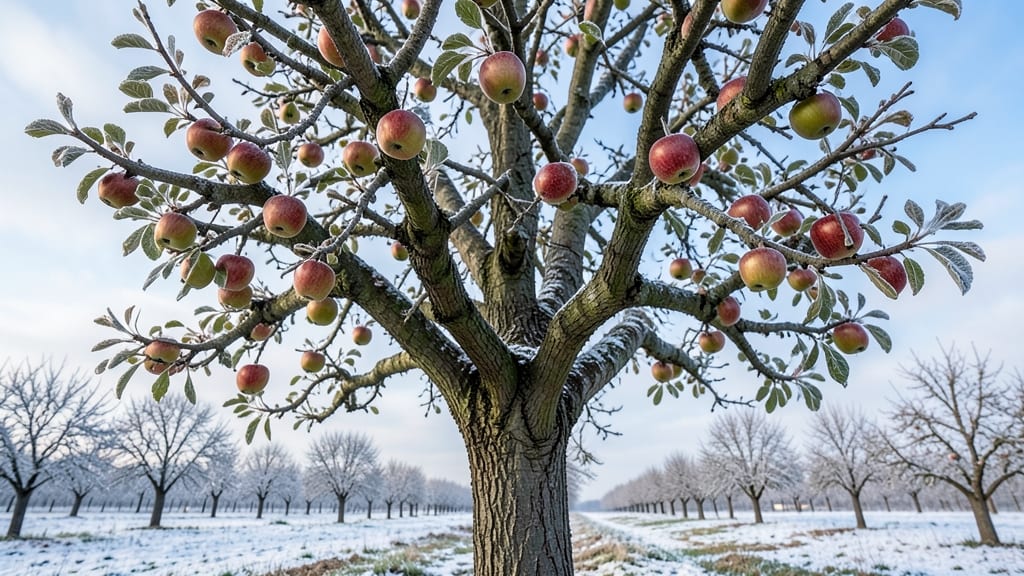
Don’t let sub-zero winters keep you from growing your own apples—Zone 3 gardeners can thrive with the right varieties. Disease-resistant Honeycrisp and Liberty apples are specifically bred to handle freezing temperatures, delivering sweet harvests even in the harshest climates.
These varieties require minimal winter protection, like wrapping the trunk with burlap or applying anti-desiccant spray to prevent frost cracks. Plant them in well-draining soil with full sun exposure, and prune annually to improve airflow and fruit production. With proper care, you’ll enjoy crisp, flavorful apples straight from your backyard. 🌟
Perfect for homesteaders and urban gardeners in cold climates, these trees offer both beauty and bounty—without the fuss of tender varieties. 🌱
Siberian Crabapple Trees for Extreme Cold
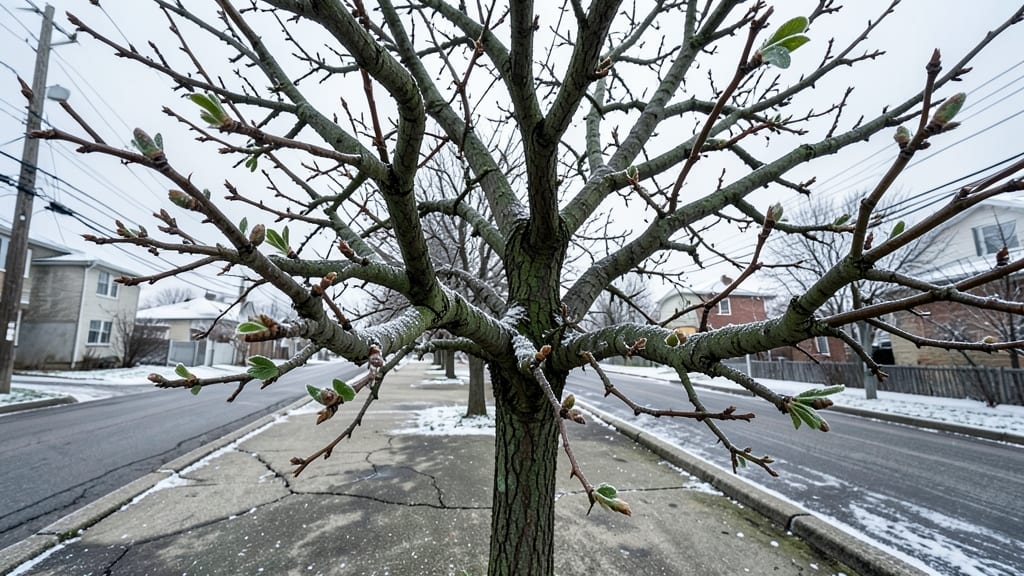
When city sidewalks and suburban backyards face -40°F winters, most fruit trees retreat behind protective wraps—but Siberian crabapple trees stand tall without a single blanket. These Arctic survivors thrive in zones as cold as 2, making them the ultimate choice for urban landscapes where space is tight and winters are unforgiving.
With a mature height of just 15–20 feet, they fit perfectly in small yards or container gardens while delivering bright pink or red spring blooms and clusters of ornamental fruit that persist through winter. Unlike their tender relatives, Siberian crabapples require no winter protection, no staking, and minimal pruning—just plant them in well-draining soil and let them handle the cold. Their disease resistance also means fewer headaches than traditional fruit trees.
Perfect for city gardeners, homesteaders with limited space, or anyone tired of winter-killed plants, these trees offer year-round interest with minimal effort. 🌱
Northern Spy Pear Trees for Harsh Climates
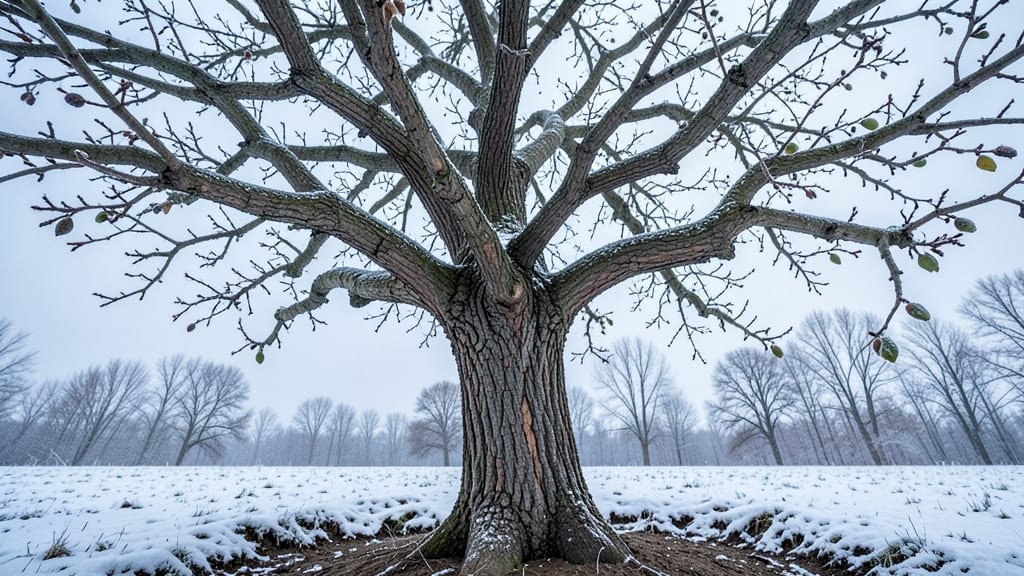
If you've ever dreamed of growing your own pears but live in a region with short growing seasons and brutal winters, the Northern Spy pear tree is your answer. This historic variety, dating back to the 1800s, thrives in zones as cold as 3, enduring temperatures down to -25°F without additional winter protection.
Known for its large, golden pears with a sweet-tart flavor, Northern Spy trees produce abundant harvests even in cool climates. They mature in about 150-175 days, making them ideal for regions with late springs and early frosts. Plant in full sun with well-drained soil, and prune annually to encourage strong growth and better fruit production.
Perfect for homesteaders and backyard gardeners in northern climates, Northern Spy pears offer both culinary versatility and ornamental beauty with their striking autumn foliage. 🌿
Cold-Resistant Cherry Trees for Zone 4
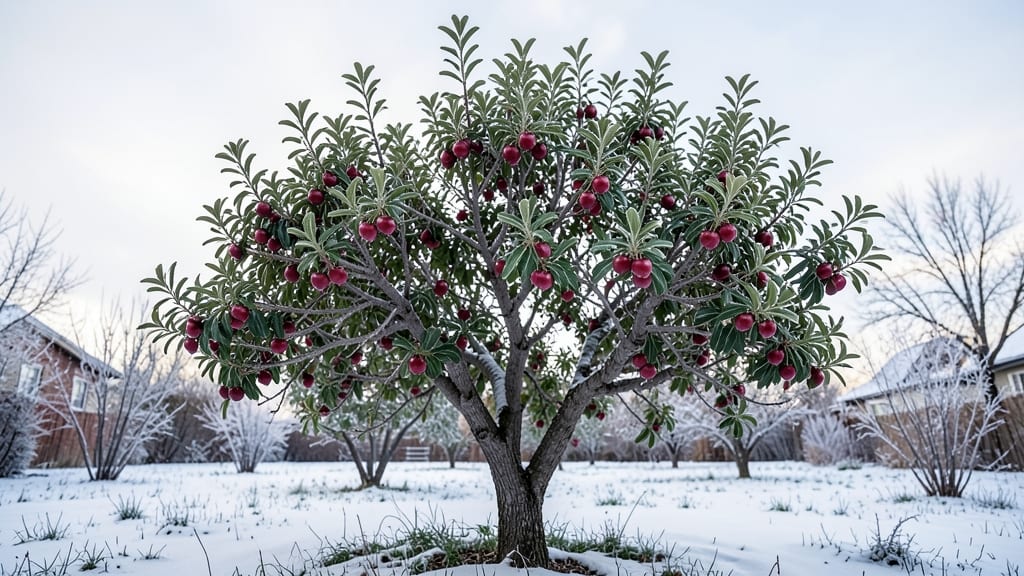
If you dream of a homestead orchard but have limited space and brutal winters, Montmorency tart cherries are your game-changer. This cold-hardy variety thrives in Zone 4, surviving temperatures as low as -30°F—no winter protection needed. Their compact size makes them perfect for small yards, containers, or even urban homesteads.
Plant in full sun with well-draining soil, and you’ll enjoy abundant harvests in just 3-5 years. These cherries are versatile—use them fresh, can them for winter, or make homemade jams and pies. Prune annually in late winter to maintain shape and encourage fruit production. The tart flavor also deters birds, reducing crop loss.
Homesteaders and small-space gardeners will love how Montmorency cherries deliver high yields with minimal maintenance. Their hardiness and productivity make them a must-have for cold climates. 🌱
Hardy Plum Trees for Sub-Zero Winters
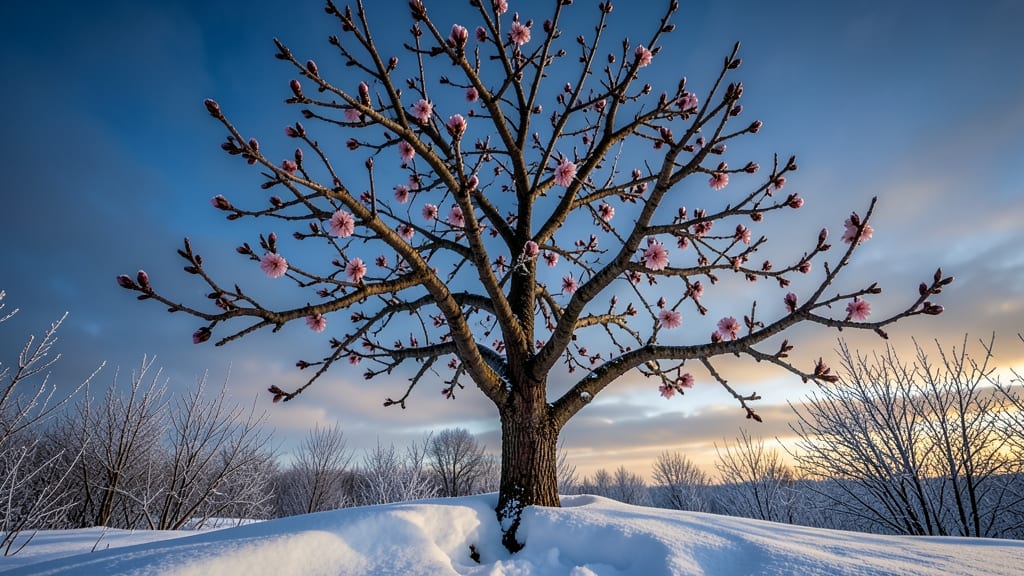
When winter temperatures plunge to -35°F, most fruit trees retreat into dormancy—but European plum varieties like 'Stanley' refuse to surrender. These tenacious trees not only survive extreme cold but reward you with early spring blooms and reliable fruit production, even after severe winter dieback.
Plant 'Stanley' plums in well-drained soil with full sun exposure (6+ hours daily) for best results. Their disease resistance and fast recovery make them ideal for gardeners in Zone 3-5, where traditional fruit trees struggle. Prune in late winter to remove damaged branches and encourage new growth, ensuring a bountiful harvest by early summer.
Perfect for homesteaders or urban gardeners with limited space, these plums thrive in standard or dwarf varieties, making them adaptable to both large orchards and small backyards. Their resilience turns winter setbacks into spring victories. 🌱
Arctic Kiwi Vines for Cold Mountain Gardens
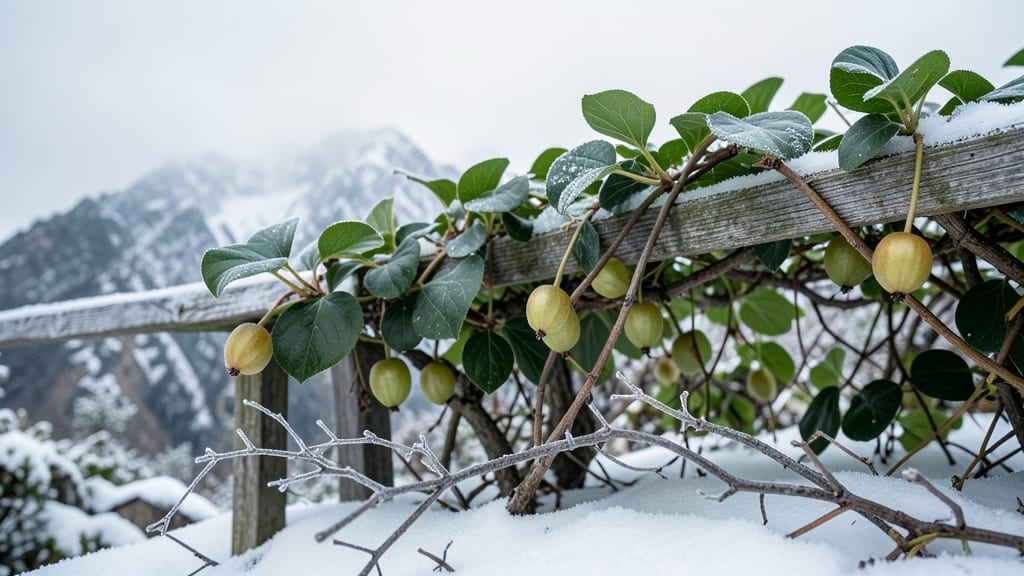
If you love kiwi but live in a mountain climate where traditional vines freeze to the ground every winter, Arctic kiwi (Actinidia arguta) is your game-changer. This cold-hardy cousin thrives in Zone 3, surviving -20°F without winter protection, and delivers sweet, grape-sized fruit perfect for snacking or baking.
Unlike its tropical relative, Arctic kiwi grows as a vigorous vine that can climb 15-20 feet on a trellis, making it ideal for vertical gardening. Plant in full sun to partial shade, with well-draining soil, and expect harvests in 2-3 years. The fruit ripens in late summer, offering a year-round supply of nutrients if you preserve some for winter.
Mountain gardeners and permaculture enthusiasts will appreciate its low-maintenance nature—just prune in late winter to shape the vine. With fruit that’s higher in vitamin C than oranges, this vine turns cold climates into a kiwi paradise. 🌱
Cold-Tolerant Blueberry Bushes for Zone 3
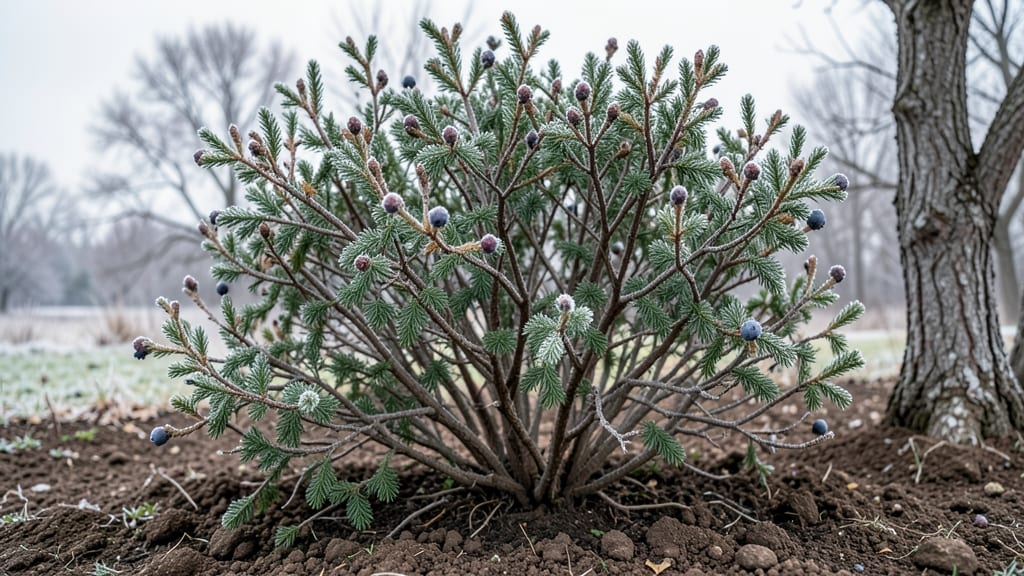
Skip the orchard and plant blueberries instead—these Zone 3 survivors deliver sweet rewards with minimal effort. Varieties like 'Northblue' thrive in acidic soils and endure temperatures down to -30°F, making them perfect for cold climates where other fruit trees struggle.
Beyond their edible berries, these bushes offer year-round interest with delicate spring blooms, glossy summer foliage, and fiery fall colors. Plant in well-draining, acidic soil (pH 4.5-5.5) with 6 hours of sun daily
Ideal for beginner gardeners and urban homesteaders, blueberry bushes combine beauty, productivity, and resilience—without requiring years to mature. 🌻
Hardy Mulberry Trees for Freeze-Prone Areas
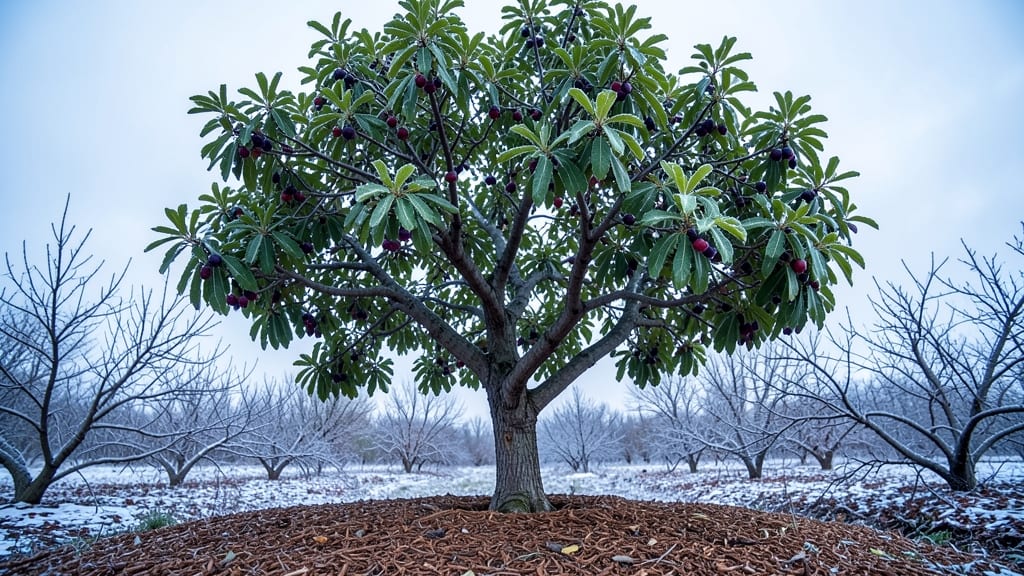
Tired of fruit trees that freeze to the ground every winter? Hardy mulberry trees thrive where others fail, surviving temperatures as low as -25°F without extra protection. Their rapid growth and sweet, juicy fruit make them perfect for urban food forests or as a living fence in areas with unpredictable freeze-thaw cycles.
Mulberries grow 3-5 feet per year, providing shade, wildlife habitat, and edible fruit within just a few seasons. They tolerate a wide range of soil types, including urban soils, and their deep roots make them drought-tolerant once established. The fruit ripens in late summer, attracting birds but also producing enough for fresh eating, jams, or drying.
Ideal for homesteaders, permaculture designers, and city gardeners, mulberries offer low-maintenance productivity in even the harshest climates. Just watch out for messy fruit drops—it’s a small tradeoff for their resilience! 🌻
Cold-Resistant Apricot Trees for Short Seasons
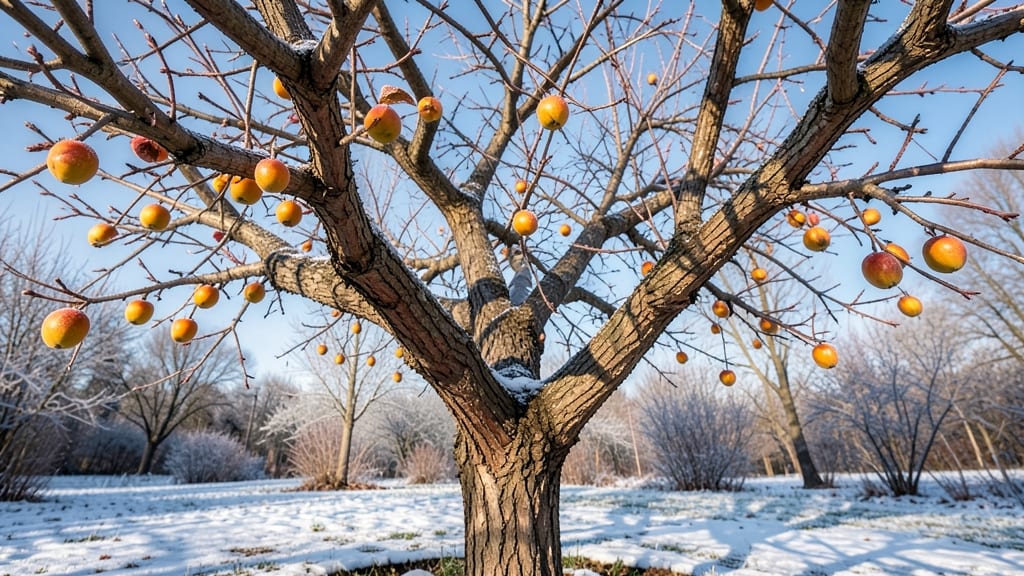
For gardeners in Zone 3-4 with short growing seasons, the Manchurian apricot tree is a game-changer—surviving -40°F winters and ripening fruit in just 90-100 days. Unlike traditional apricots, this Russian variety thrives in cool climates where heat-loving peaches and nectarines fail, making it ideal for northern homesteads and alpine regions.
Plant in full sun with well-draining soil, and expect sweet, golden-orange fruit that matures earlier than most stone fruits. The dwarf varieties (like 'Manchurian') are perfect for containers or small yards, while standard trees grow 15-20 feet tall. Prune annually to improve airflow and fruit production, and watch for pests like aphids—organic sprays work best in early spring.
Perfect for gardeners who want fast harvests without sacrificing cold hardiness, these apricots prove that short seasons don’t mean small rewards. 🌟
Hardy Persimmon Trees for Zone 4

If you're dreaming of a long-lived, low-maintenance tree that thrives in Zone 4's harsh winters while rewarding you with sweet, astringent-free fruit, the American persimmon is your perfect match. Unlike other fruit trees that require winter protection, this native beauty survives -25°F winters with ease, making it ideal for permaculture systems or as a stunning landscape centerpiece.
American persimmons thrive in full sun to partial shade and adaptable soils, though they prefer well-drained conditions. The key to enjoying their honey-sweet fruit is patience—wait until the fruit softens naturally on the tree, as unripe persimmons contain tannins that make them astringent. Plant them in autumn for best establishment, and watch as they develop into drought-tolerant giants with striking orange foliage in fall.
Permaculturists and homesteaders will love how persimmons support biodiversity while providing edible harvests for decades. Their long lifespan (50+ years) and minimal care requirements make them a dream for gardeners who want beauty and bounty without the fuss. 🌟