
Plants
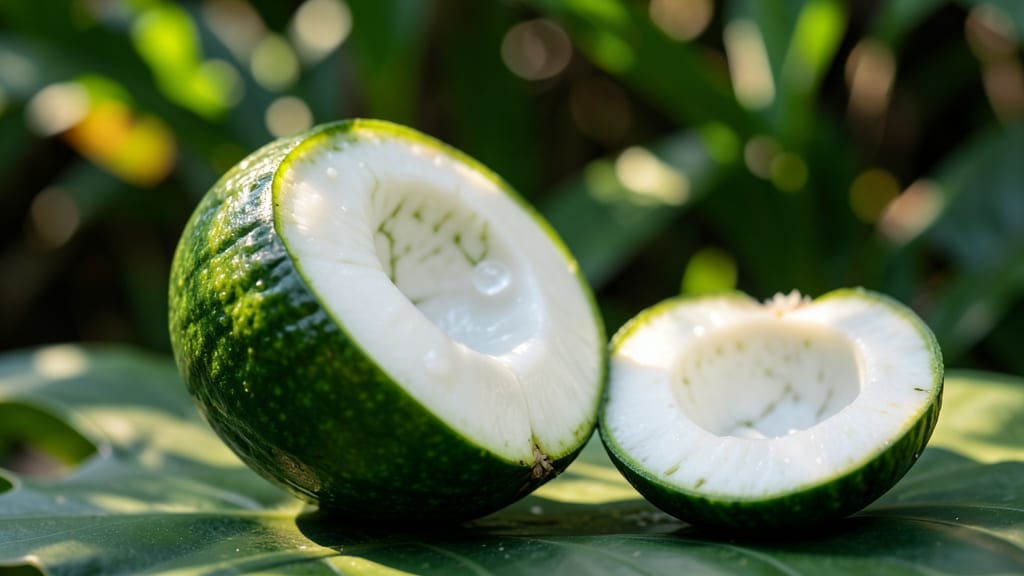
Discover 10 unique fruits starting with 'U' that you can cultivate at home. These rare varieties offer exotic flavors, vibrant colors, and surprising ease of growth for gardeners of all levels.
Ugli Fruit: Citrus Hybrid with Tropical Flavor
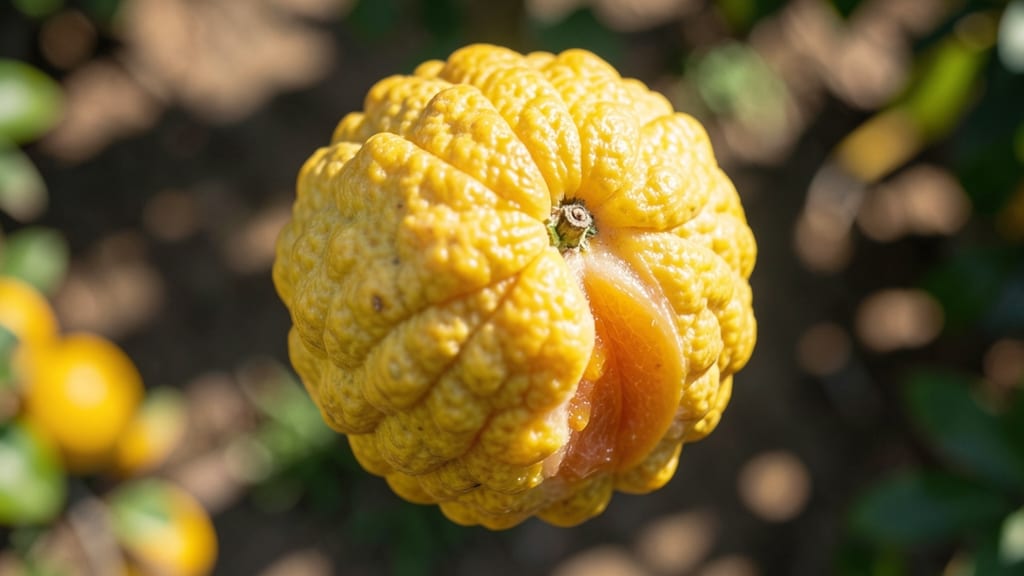
If you crave tropical flavors but live outside a traditional citrus-growing zone, ugli fruit delivers the perfect solution. This hybrid citrus—officially called "sugar apple"—blends the tang of grapefruit with the sweetness of an orange, wrapped in a rough, bumpy skin that adds visual intrigue to your garden.
Thriving in USDA zones 9-11, ugli fruit trees demand full sun (6+ hours daily) and well-draining soil, but they’re remarkably drought-tolerant once established. The fruit ripens in late winter to early spring, offering a harvest when most citrus varieties are scarce. With minimal pruning needs and a compact growth habit, they’re ideal for small spaces or containers—just ensure they’re protected from frost.
This low-maintenance tropical is a game-changer for gardeners who want bold flavors without the fuss. Perfect for those who love experimenting with unique produce and enjoy a fruit that’s as striking to look at as it is delicious. 🌟
Umeboshi: Japanese Plum for Pickling and Preserving
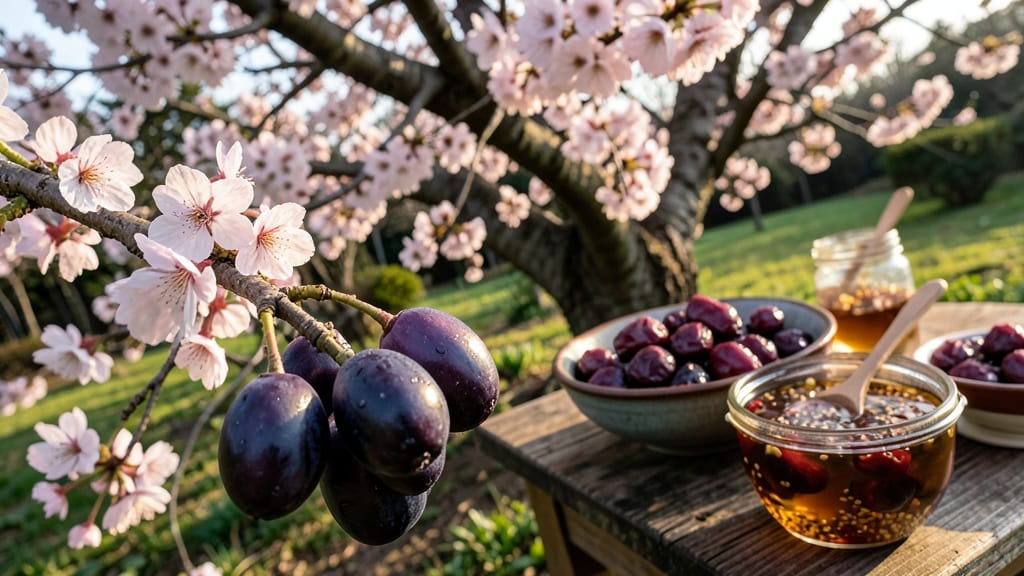
Looking to add a fruit to your garden with a dual purpose—beautiful blooms and preservation potential? The ume (Japanese plum) is your answer. While its ripe fruit is delicious fresh, it’s the pickled umeboshi that steals the show, offering a tangy, umami-rich ingredient for sushi, rice bowls, and more.
This hardy tree thrives in USDA zones 7-9, tolerating both full sun and partial shade, and produces abundant fruit that’s perfect for fermenting or pickling. The process is simple: harvest unripe plums, salt them, and let them ferment for weeks until they develop that signature deep red hue and complex flavor. Even small gardens can accommodate this tree, as it stays compact and produces year after year.
Gardeners who love culinary preservation or traditional Japanese flavors will find umeboshi especially rewarding—it’s a fruit that gives back in both taste and practicality. 🌟
Unripe Mango: Green Variety for Unique Culinary Uses
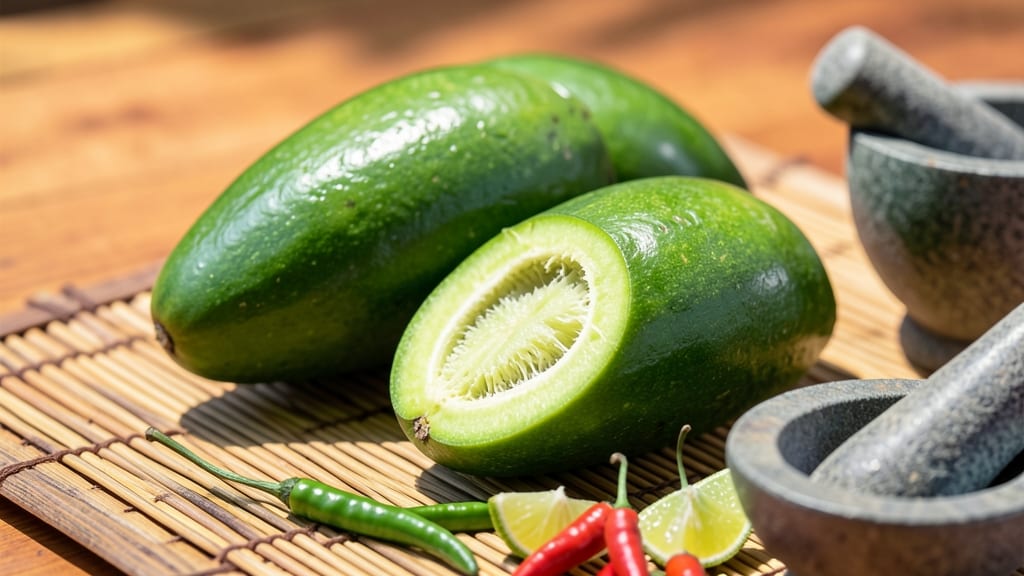
If you’ve ever craved the bold flavors of Thai cuisine but want to grow the ingredients yourself, green unripe mangoes are your secret weapon. Unlike their sweet, ripe counterparts, these firm, tangy fruits pack a punch in savory dishes, pickles, and fermented pastes like nam prik
This lesser-known variety thrives in tropical climates (USDA zones 10-11) and requires full sun (6+ hours daily) with well-draining soil. Harvest when still hard and green—typically 4-6 months after flowering—for peak flavor. The key to culinary magic? Use them raw in salads, fermented with chili, or pickled for a bright, acidic kick that balances rich flavors.
Perfect for adventurous gardeners, this mango variety turns your harvest into a culinary adventure—no tropical travel required! 🌿
Uvaia: Brazilian Grape-Tomato Hybrid Fruit
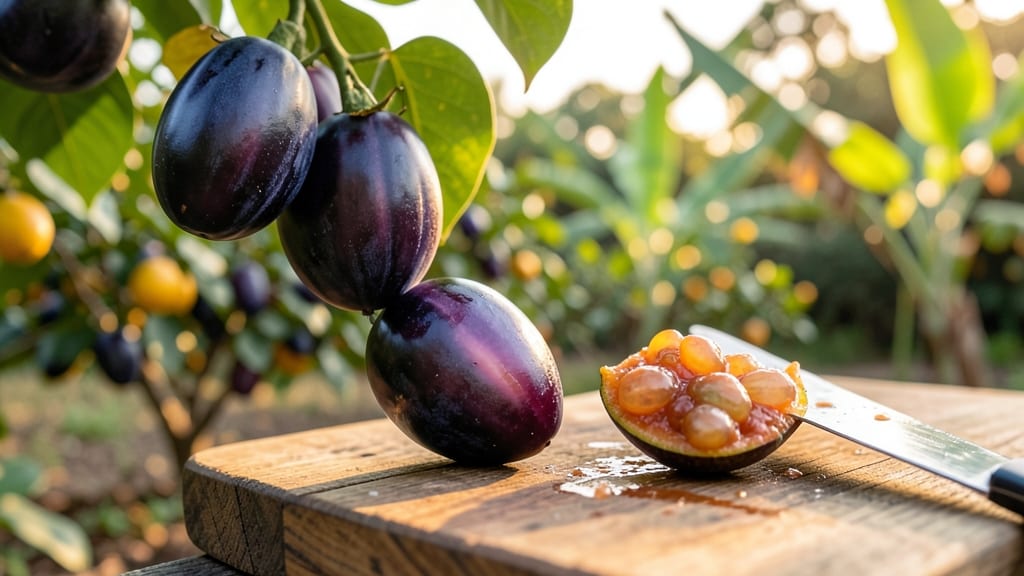
If you're craving a fruit that blends the best of grapes and tomatoes into one delicious package, uvaia—also called Brazilian grape-tomato—is your next garden adventure. This exotic fruit thrives in warm climates and delivers a sweet, aromatic flavor that's unlike anything you've tried before.
Native to Brazil's Atlantic Forest, uvaia grows on a small, bushy shrub and produces clusters of purple, grape-like fruits with a texture somewhere between a tomato and a grape. It prefers well-draining soil and full sun, making it ideal for gardeners in USDA zones 9-11. Once established, the plant is surprisingly drought-tolerant, requiring minimal watering once mature.
Perfect for adventurous gardeners, uvaia offers a unique harvest that's great fresh or in jams and preserves. Its exotic appeal makes it a standout for those who love pushing the boundaries of their home gardens. 🌿
Ugli Fruit Tree: Compact Citrus for Small Gardens
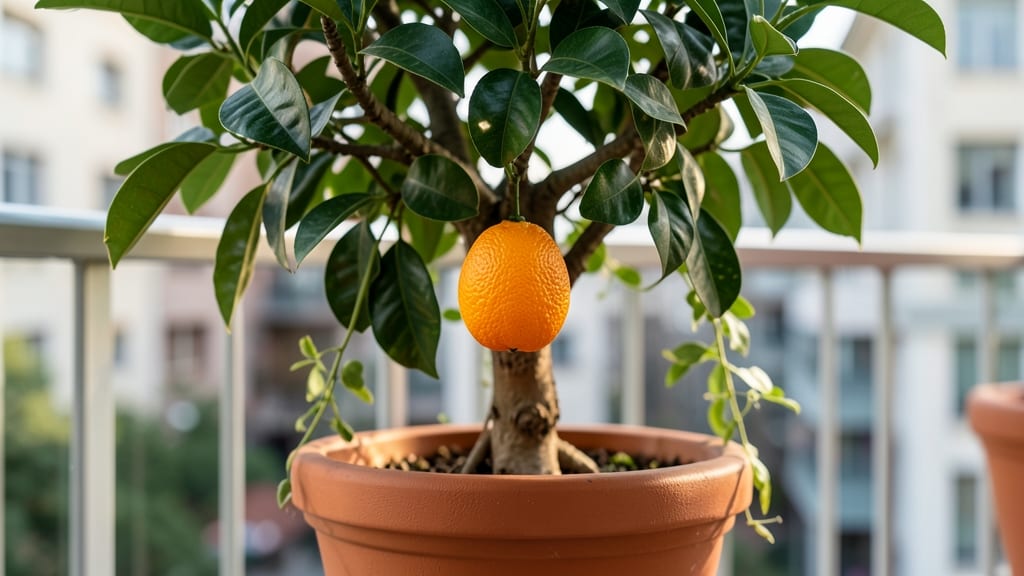
If you’ve ever dreamed of growing citrus but lack the space for a full-sized tree, the ugli fruit tree is your perfect solution. This compact, container-friendly citrus hybrid produces bright orange fruits with a tangy-sweet flavor, making it a standout for small patios and balconies.
Thriving in USDA zones 9-11, this dwarf variety needs just 6-8 hours of sunlight daily and tolerates container life beautifully. Choose a pot with drainage holes and use well-draining soil to prevent root rot. With consistent care, you’ll enjoy harvests within 2-3 years, and the tree’s glossy foliage adds year-round greenery.
Urban gardeners and apartment dwellers will love how this tree doubles as a fruit-bearing ornament—no yard required! 🌱
Ulluci: Ancient Roman Fruit with Honey-Like Sweetness
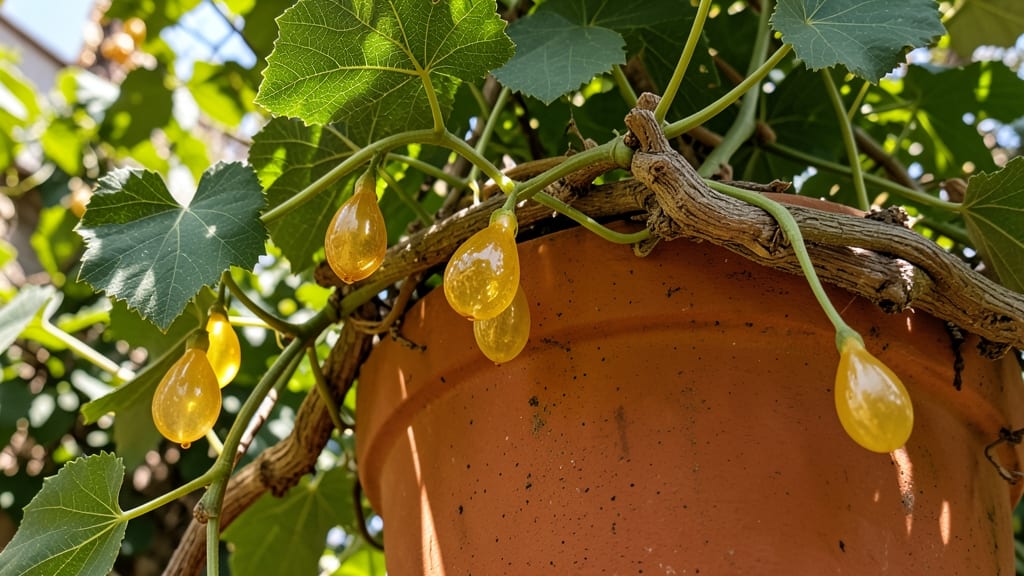
Step back in time with ulluci, the ancient Roman fruit that tastes like liquid honey. This obscure gem thrives in warm climates and offers a sweet, aromatic experience straight from the Roman Empire’s gardens.
Ulluci grows on a vigorous vine and produces small, golden-yellow fruits with a honey-like sweetness and subtle floral notes. Plant in well-draining soil with full sun exposure and support the vines with a trellis for optimal growth. Harvest when the fruit turns golden and yields slightly to touch.
Perfect for history lovers and heirloom collectors, this fruit adds a unique twist to your garden while connecting you to Rome’s culinary past. 🌱
Ugni Fruit: Edible Honeysuckle for Pollinator Gardens
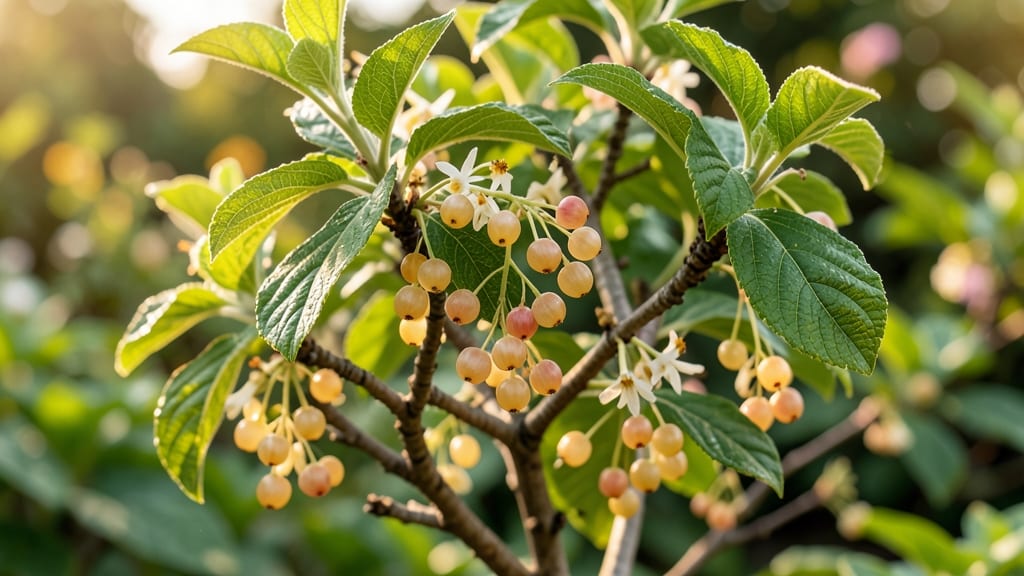
Want a fruit that does double duty—feeding pollinators and your taste buds? Meet ugni fruit, the edible honeysuckle that’s a powerhouse for wildlife-friendly gardens. This compact shrub produces clusters of tiny, sweet-tart berries that birds and bees adore, while you enjoy their honey-like flavor.
Thriving in USDA zones 7-10, ugni fruit requires minimal care: plant it in well-draining soil with morning sun and afternoon shade, and water moderately. Prune lightly after fruiting to encourage bushier growth. The berries ripen in late summer, offering a year-round harvest if you plant multiple varieties.
Perfect for eco-conscious gardeners, this low-maintenance shrub fits seamlessly into hedges, borders, or pollinator gardens. Plus, its drought-tolerant nature makes it ideal for water-wise landscapes. 🌿
Unripe Persimmon: Astringent Variety for Unique Recipes
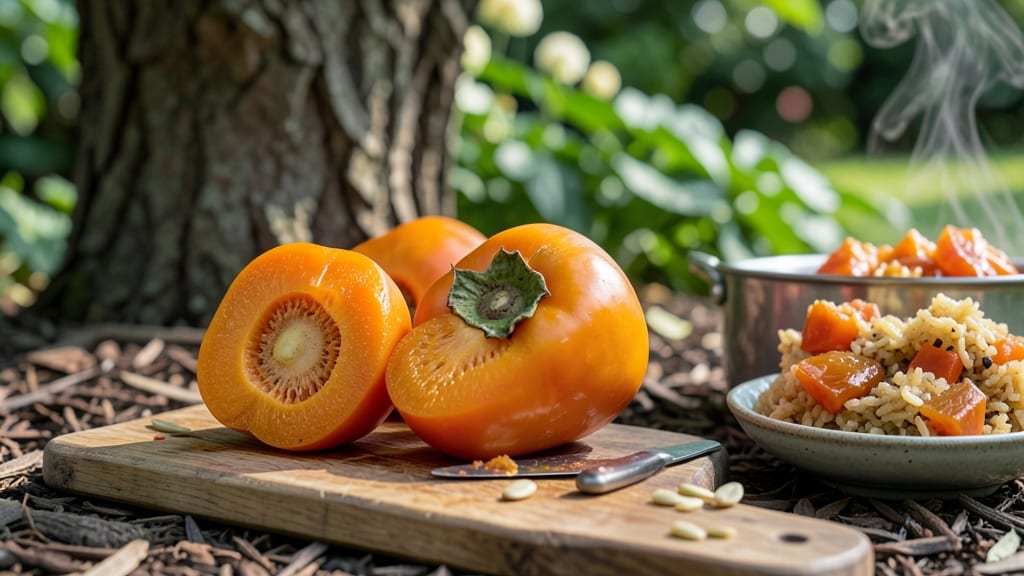
Ready to elevate your garden’s culinary potential with a fruit that’s as intriguing as it is useful? The unripe persimmon (specifically the Hachiya variety) offers a unique twist—its firm, astringent flesh is a staple in Japanese cuisine for dishes like persimmon rice or pickled preparations.
Unlike ripe persimmons, which are sweet and soft, unripe ones have a tannic bite that mellows when cooked or fermented. These trees thrive in USDA zones 7-10, preferring full sun (6+ hours daily) and well-draining soil. Plant in early spring, spacing trees 20-30 feet apart for proper airflow, and expect fruit in 3-5 years. Prune lightly in late winter to encourage strong growth.
This fruit is perfect for gardeners who love culinary experimentation—whether you’re making traditional Japanese hoshigaki (sun-dried persimmons) or exploring fermented flavors. Its dual-purpose nature makes it a standout for those who want both beauty and function in their garden. 🌟
Umbquat: Hybrid Citrus for Cold-Hardy Gardens
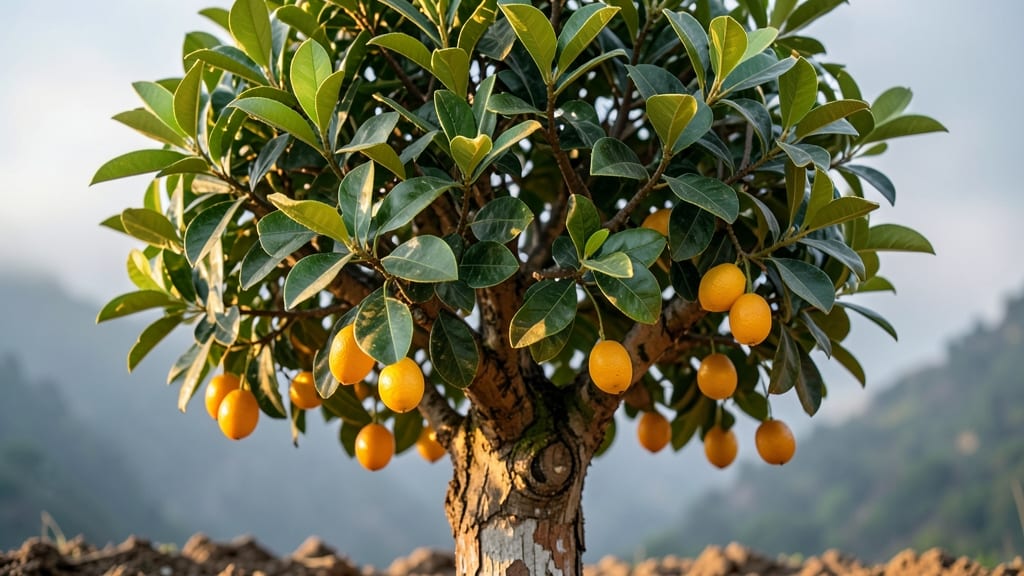
Tired of citrus trees that demand tropical climates? The umbquat—a hardy hybrid of umquat and kumquat—delivers the same tangy-sweet flavor without the fuss. This compact, cold-resistant tree thrives in USDA zones 6-9, making it perfect for gardeners in cooler regions who crave homegrown citrus.
Unlike its tropical cousins, umbquats tolerate light frosts and can even handle brief dips below 20°F. The small, oval fruits (about 1 inch long) are edible peel and all, with a flavor profile between a kumquat and a tiny orange. Plant in well-draining soil with full sun to partial shade, and enjoy a harvest in late fall or early winter. Their slow growth and manageable size make them ideal for containers or small gardens.
This low-maintenance citrus is a game-changer for northern gardeners, offering a taste of sunshine without the high-maintenance requirements. Perfect for those who love citrus but live where lemons and oranges struggle to survive. 🌟
Uba Fruit: Brazilian Superfood with Custard-Like Texture

Looking to grow a nutrient powerhouse with a texture like creamy custard? The uba fruit—a tropical superfood native to Brazil—delivers high levels of vitamin C, calcium, and antioxidants in every bite. Its smooth, white pulp is prized in smoothies, desserts, and traditional Brazilian remedies, making it a standout for health-conscious gardeners.
This fast-growing shrub thrives in USDA zones 10-11 and demands bright, indirect light (4+ hours daily) with moist, well-draining soil. Plant in containers for patios or directly in tropical gardens, as it’s sensitive to frost. Harvest when the fruit turns yellow-green and slightly soft—typically 6-12 months after planting—for peak flavor and nutritional benefits.
Perfect for gardeners who want both beauty and nutrition, uba fruit adds a striking tropical element to your landscape while offering a harvest packed with wellness perks. 🌿