
Succulent
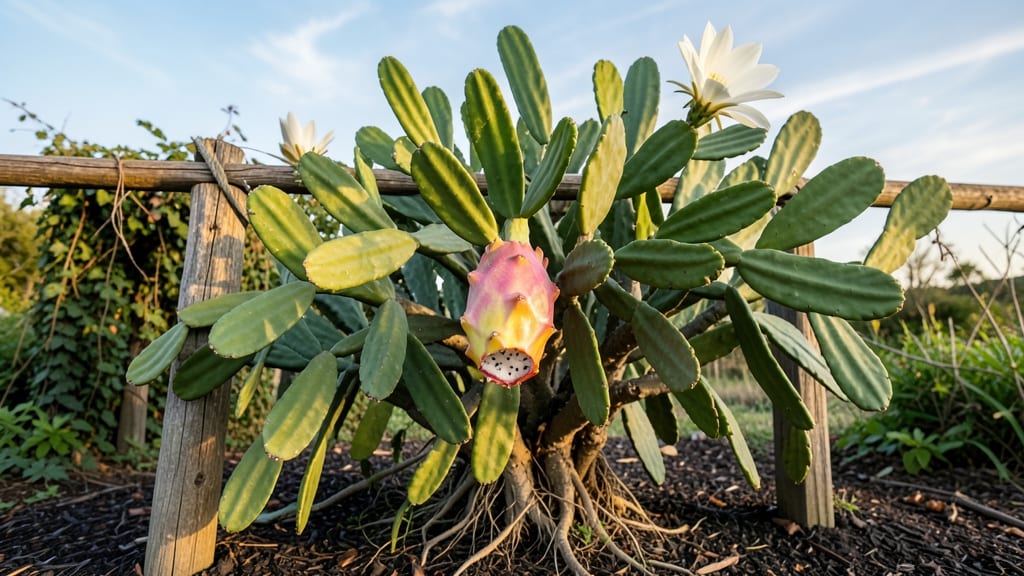
Cactus plants produce the fruit that grows on cactus, like prickly pear (tuna) and dragon fruit (pitaya), both known for their juicy, vitamin-rich interiors. Prickly pear delivers bold red or golden hues with a tart-sweet balance, while dragon fruit provides a custardy texture with subtle tropical notes. Handling requires caution—always peel away protective spines first.
These cactus fruits aren't just visually striking—they're packed with benefits that make them stand out in any diet. 🌵 Prickly pear, for example, is loaded with antioxidants and fiber, while dragon fruit offers a unique blend of vitamin C and prebiotic compounds that support gut health.
What's fascinating is how these plants evolved to thrive in extreme conditions while still producing such delicious, nutrient-dense rewards.
If you're considering growing your own, remember that both varieties demand full sun exposure and well-draining soil. Prickly pears tolerate drought once established, while dragon fruit plants need slightly more consistent moisture.
The key to harvesting is patience—wait until the fruit fully ripens on the plant, as this ensures peak sweetness and texture.
💡 In This Article
- How Cactus Fruits Adapt to Arid Environments
- Growing and Harvesting Edible Cactus Fruits at Home
How cactus fruits adapt to arid environments
Cactus fruits like prickly pear and dragon fruit have evolved remarkable adaptations to survive in extreme desert conditions. Their thick, waxy skins contain a specialized layer called the cuticle, which reduces water loss by up to 90% compared to conventional fruits.
This adaptation allows them to thrive where rainfall is scarce—some cacti can go years without significant moisture while still producing fruit. The spines you see on prickly pears aren't just for protection; they create microclimates that reduce evaporation around the fruit.
The internal structure of these fruits plays a crucial role too. Prickly pear's pulp contains high concentrations of mucilage—a gel-like substance that binds water molecules, keeping the fruit hydrated even in dry air.
Dragon fruit, meanwhile, develops its signature crunchy texture through a unique cellular structure that stores moisture efficiently. Both fruits also ripen on the plant, which triggers a natural increase in sugar content—this sweetness acts as an incentive for animals to disperse seeds in water-scarce environments. 🌵
Seed dispersal is another brilliant adaptation. Prickly pears rely on animals like birds and rodents that can handle the spines, while dragon fruit's vibrant color and mild sweetness attract bats and small mammals that spread seeds over wide areas.
The timing of fruit production is also strategic—both typically ripen during the plant's most active growth periods, ensuring seeds have the best chance to germinate when conditions are optimal. This synchronization between fruit development and environmental cues is what makes these cacti so resilient.
What's particularly fascinating is how these adaptations extend to the fruit's nutritional profile. The same mechanisms that help cactus fruits survive harsh conditions also concentrate beneficial compounds.
Prickly pear's high fiber content comes from its need to retain moisture, while dragon fruit's vitamin C levels help protect against oxidative stress—a common challenge in arid environments. This dual-purpose evolution explains why these fruits are both hardy survivors and nutritional powerhouses. 💫
For comparison, consider how conventional fruits like watermelons store water in their flesh, while cactus fruits distribute moisture more efficiently throughout their structure. This difference is why you can eat prickly pear pulp with minimal additional hydration—its cellular architecture is designed to be self-sufficient.
The same principle applies to dragon fruit's custardy texture, which maintains moisture without requiring external water sources.
Understanding these adaptations helps explain why cactus fruits can be harvested year-round in many desert regions. Unlike seasonal fruits that depend on specific climates, these plants have evolved to produce consistently under challenging conditions.
This reliability makes them valuable not just for survival, but as sustainable food sources in arid climates where other crops might fail. 🌍