
Size
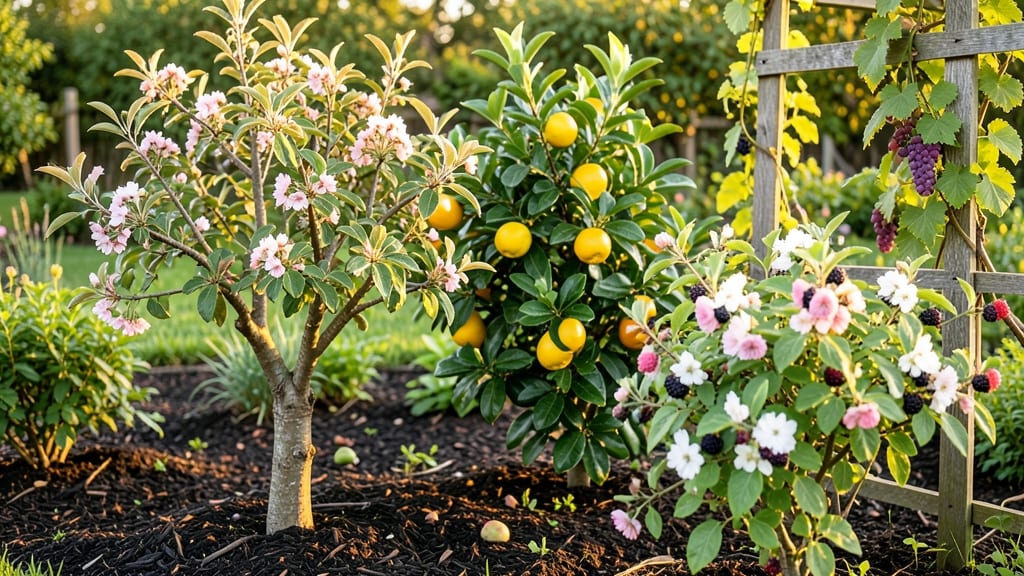
Growing fruit plants that actually produce year after year is the secret to a garden that feeds you instead of just looks pretty. 🌿 I’ve watched my raspberry canes and apple trees go from scraggly to bursting with fruit just by choosing the right varieties, giving them the right start, and letting them grow mostly on their own.
The magic starts with soil that drains well but holds moisture—think crumbly, alive dirt with a handful of compost mixed in.
Plant in early spring when the ground is workable but frost isn’t lingering, and pick varieties that thrive in your zone (like ‘Honeycrisp’ apples for cooler climates or ‘Dwarf Eureka’ lemons for containers).
Most fruit plants need full sun for 6-8 hours daily, but they’ll forgive a little shade if the heat is brutal. By summer, you’ll be harvesting sweet berries, crisp apples, or tart plums—without the constant pruning most guides make you believe is essential.
The key is shaping them lightly in late winter and letting nature do the rest. Even pests become manageable with a few smart tricks, like companion planting or neem oil sprays. This works for small backyards, raised beds, or even large containers—no fancy tools or green thumbs required.
Let’s turn that empty space into a fruit-filled paradise that keeps giving all season.
📚 In This Guide
- What you need
- Instructions
- Tips and common mistakes
- Wrapping up and next steps
What you need
- ● Fruit plants: Choose 3-5 varieties (e.g., dwarf citrus, berries, or stone fruits) based on your climate zone. Pro tip: Start with 1-2 plants per type to avoid overwhelm!
- ● Well-draining soil: 5-10 bags (20 lbs each) of potting mix or native soil amended with compost (3-5 cubic feet).
- ● Containers or garden bed: Containers: 5-gallon pots (1 per plant) with drainage holes (or larger for heavy feeders like figs).
- ● Garden bed: 4’x4’ raised bed or in-ground space with full sun (6+ hours/day).
- ● Fertilizer: Slow-release balanced fertilizer (10-10-10) or organic options like worm castings (1 lb per plant).
- ○ Watering system: Drip irrigation kit (optional but ideal) or a watering can (1-2 gallons).
- ● Mulch (straw or wood chips, 2-3 cubic feet) to retain moisture.
- ● Basic tools: Trowel or hand shovel
- ● Pruning shears (sterilized with rubbing alcohol)
- ● Gloves (gardening or work gloves)
- ○ Optional upgrades: Soil pH tester ($10-$15) for acid-loving plants like blueberries.
- ● Trellis or stakes (for vining fruits like grapes or kiwi).
- ● Shade cloth (30-50% coverage) for tender plants in hot climates.
- ● Sunlight: Confirm your space gets 6+ hours of direct sun (adjust plant choices if needed).
- ● Climate check: Verify your USDA Hardiness Zone (or local equivalent) matches your fruit plants’ needs.
- ● Time commitment: 10-15 minutes daily for watering/pruning (or automate with drip systems!).
- ● Patience: Dwarf varieties may fruit in 1-3 years; standard trees take 3-5 years.
How to design a low-maintenance fruit garden for continuous harvests
Here’s my go-to approach for building a fruit garden that thrives with minimal fuss—perfect for busy gardeners.
🌱 Step 1: Select Dwarf Varieties and Sun-Loving Spots
Start with dwarf fruit trees (like columnar apple or espaliered peaches) and compact berry bushes (such as bush blueberries or dwarf raspberries). These stay manageable and produce fruit faster than full-size plants. Place them in full sun—at least 6 hours daily—and well-draining soil. I always test soil pH first (most fruit needs 6.0-7.0), adjusting with lime or sulfur if needed.
Space plants 8-12 feet apart for airflow (critical to prevent fungal diseases). If space is tight, use espalier training—this keeps fruit within reach while saving room. I’ve seen espaliered apples fit neatly against a fence, producing just as well as traditional trees.
☀️ Step 2: Plant in Layers for Year-Round Fruit
Layer your garden vertically and temporally: top layer (trees), middle layer (berries), and ground cover (strawberries or grapes). This ensures something is always in season. For example, plant blueberries in spring, raspberries in early summer, and grapes in late summer—their staggered harvests keep the bounty flowing.
Use containers for mobility—pots let you move heat-sensitive plants (like peaches) to shade during summer heatwaves. I keep my potted figs on wheels so I can roll them closer to the house when frost threatens. Just ensure containers are at least 18 inches deep with drainage holes.
✂️ Step 3: Prune Strategically (Not Just Seasonally)
Prune once a year in late winter (before buds swell) to remove dead wood and shape the plant. Focus on open-center growth—this improves airflow and sunlight penetration. For berries, cut back last year’s canes after harvest (they won’t produce again). I always sterilize pruners with rubbing alcohol between cuts to prevent disease spread.
Skip heavy pruning—just lightly thin branches to encourage fruiting spurs. Over-pruning stresses plants and reduces yields. Watch for water sprouts (shoot-like growths) and remove them immediately—they drain energy from fruit production.
💧 Step 4: Water Deeply and Mulch Religiously
Water deeply once a week (or more in extreme heat) to encourage strong root growth. Shallow watering leads to weak stems and poor fruit set. I use drip irrigation on a timer to avoid wetting leaves (which invites fungal diseases). Mulch 3 inches deep with wood chips or straw to retain moisture and suppress weeds—this cuts watering needs by 30-50%.
Check soil moisture 2 inches down—if it’s dry, water again. Overwatering is just as bad as underwatering; soggy roots rot quickly. A soil moisture meter helps avoid guesswork. In containers, water when the top inch feels dry—small pots dry out faster than ground soil.
🍎 Step 5: Fertilize Lightly and Harvest Often
Use a balanced, slow-release fertilizer (like 10-10-10) in early spring, then switch to fruit-specific feed (high in potassium) when flowers appear. Over-fertilizing leads to leafy growth at the expense of fruit. I top-dress with compost annually—it improves soil structure and feeds roots gradually.
Harvest regularly to encourage more production. Pick fruit when fully colored but still firm (e.g., strawberries when red all over, peaches when slightly soft to the touch). Never leave overripe fruit on the plant—it attracts pests and diseases. Store extras in the fridge or preserve them (freezing or canning) for winter.
Tips & tricks for perfect year-round fruit gardens
Here's what I wish I knew when starting my first fruit garden—these tricks make all the difference for busy gardeners.
Sunlight Strategy: The 6 hours of daily sun mentioned in Step 1 is non-negotiable, but here's the secret: place your most sun-loving varieties (like peaches) in the southernmost part of your garden where they'll get the most intense morning sunlight. I've found that even 1-2 extra hours in the morning can make a huge difference in fruit quality, especially in cooler climates.
Container Mobility: When using containers as mentioned in Step 2, add casters to your pots for maximum flexibility. I've moved my potted figs from full sun to shade in under 30 seconds when sudden storms roll in. Just make sure your containers have those 18-inch minimum depths—shallow pots will stress your plants during heatwaves.
Pruning Precision: For that once-a-year pruning in Step 3, I've developed a simple system: cut back to an outward-facing bud when shaping branches. This creates that open-center growth while giving each branch a clear path to sunlight. And here's a pro move—use a pair of sharp bypass pruners (not anhedoras) for clean cuts that heal faster and reduce disease risk.
Watering Wisdom: The deep watering advice in Step 4 is spot-on, but I've learned to water in the early morning (before 9am) to prevent fungal issues. For containers, I've started using self-watering pots with moisture sensors—they've cut my watering time by 60% while keeping roots perfectly hydrated. Just remember that 2-inch soil moisture check applies to ground planting, not containers.
Pro Tips for Fruit Plants Grow A Garden
- Here's what I wish I knew when starting my first fruit garden—these tricks make all the difference for busy gardeners.
- I've found that even 1-2 extra hours in the morning can make a huge difference in fruit quality, especially in cooler climates.
- Container Mobility: When using containers as mentioned in Step 2, add casters to your pots for maximum flexibility.
Frequently asked questions
Got questions about growing a thriving fruit garden with minimal fuss?
Here are answers to the most common queries—so you can skip the guesswork and dive right into harvesting!
What are the easiest fruit plants to grow for beginners?
Start with low-maintenance picks like strawberries (everbearing varieties), blueberries (dwarf bushes), figs (drought-tolerant), or dwarf citrus (if you live in a mild climate). These thrive with basic care and reward you with fruit in just 1–2 years! Pro tip: Choose self-pollinating varieties to avoid cross-breeding headaches.
How long does it take for fruit plants to bear fruit?
Timing varies by plant, but most fruit trees/bushes take 1–3 years to produce fruit. Strawberries and raspberries can fruit in 6–12 months, while apple trees or peaches may wait 3+ years. Patience pays off— young plants focus on root growth first!
Can I grow fruit plants in containers or small spaces?
Dwarf varieties (like columnar apple trees or bush tomatoes) thrive in pots, raised beds, or even vertical gardens. Just ensure containers are at least 5 gallons for small trees and have drainage. Herbs like mint (technically a fruit-bearing plant!) also excel in tight spots. Space-savers: Try strawberries in hanging baskets or blueberries in fabric grow bags!
What’s the best way to protect fruit plants from pests?
Prevention is key! Use row covers for early pests, neem oil sprays for aphids, and beneficial insects (like ladybugs) to combat infestations. Prune regularly to improve airflow, and remove fallen fruit promptly to deter critters. For heavy-duty defense, try chicken wire around young trees.
Do fruit plants need winter care, even in warm climates?
Yes! While tropical fruits (like citrus) may need light frost protection, most plants benefit from mulching (straw or wood chips) to insulate roots. Deciduous trees (apples, peaches) should have winter watering to prevent drought stress. Pro move: Wrap young trunks with tree guard to avoid sunscald in spring!
How do I know if my fruit plants are getting enough sun?
Most fruit plants need 6–8 hours of sunlight daily. If leaves turn yellow (chlorosis) or fruit is small/underripe, it’s a red flag! Move potted plants to sunnier spots or supplement with grow lights (12+ hours/day) for indoor setups. Observe your garden’s microclimates—north-facing walls often get less light!
Wrapping up and next steps
Growing a fruit plant garden with minimal pruning is totally doable—whether you're a beginner or a seasoned green thumb! 🌱 With the right space-efficient plants, smart care, and a little patience, you can enjoy a year-round harvest of fresh, delicious fruit without the hassle.
The key? Start small, choose wisely, and let nature do most of the work.
Now that you’re armed with tips and answers, it’s time to roll up your sleeves! Pick one or two plants to begin, set up your space, and watch your garden thrive.
Before you know it, you’ll be savoring homegrown berries, citrus, or tropical treats—all while keeping your garden tidy and low-maintenance. Happy planting! 🌟