
Succulent
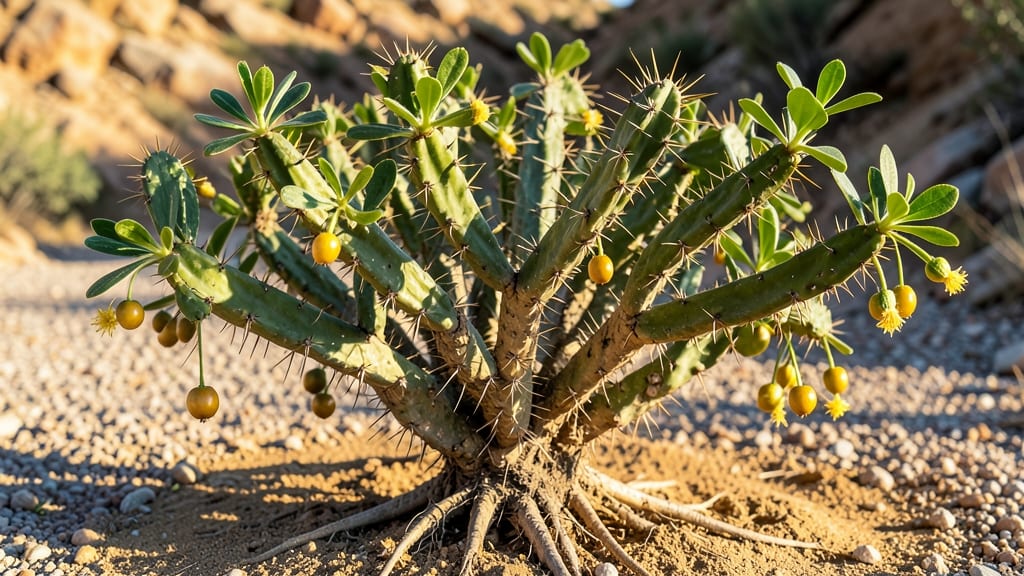
Fruit on cactus plants, such as prickly pear and dragon fruit, develops from specialized pads or stems and can be eaten once properly identified and prepared. Always verify the plant species first, since some varieties contain toxins or require careful handling to remove spines and latex.
Cactus fruits like prickly pear and dragon fruit are botanical marvels that grow from modified stems or pads rather than traditional branches. 🌵 The edible varieties often have vibrant colors—purple, red, or yellow—that signal ripeness, but their spiky exteriors hide sweet, gelatinous flesh.
I’ve learned that the key to enjoying them safely lies in knowing which species are safe (like Opuntia for prickly pear) versus toxic lookalikes, which can cause severe reactions. Always wear gloves when harvesting, as the spines and latex sap can irritate skin.
Once you’ve confirmed the species, preparation is straightforward but requires patience. For prickly pear, I recommend using a knife to carefully slice off the skin (never peel with your hands—those spines are sharp!).
Dragon fruit, on the other hand, has a leathery skin that’s easier to peel away once the fruit is ripe. After removing the spines and latex, the fruit can be eaten raw, blended into smoothies, or baked into desserts.
The latex, while harmless in small amounts, can cause stomach upset if ingested in large quantities, so rinsing the fruit thoroughly is a good practice.
💡 In This Article
- Identifying Edible Cactus Fruits and Their Growth Stages
- Safe Harvesting and Preparation Techniques for Cactus Fruit
Identifying edible cactus fruits and their growth stages
The most common edible cactus fruits, like prickly pear (from Opuntia species) and dragon fruit (from Hylocereus), grow from specialized structures.
Prickly pear fruits develop directly from the flat, paddle-shaped pads (also called nopales) that cover the plant, while dragon fruit emerges from the plant’s central stem. 🌵 What sets them apart from toxic lookalikes is their botanical structure: edible varieties have smooth, rounded fruits with a waxy coating, whereas toxic species often feature irregular shapes or a milky latex that oozes when cut.
Growth stages are critical for identification. Prickly pear fruits start as small, green buds and gradually turn red, purple, or yellow as they ripen—this color shift signals peak sweetness and safety.
Dragon fruit, meanwhile, ripens from green to a vibrant magenta or pink hue with a leathery skin that feels slightly rough to the touch. The key difference? Toxic cactus fruits, such as those from the Peniocereus genus, often lack this uniform color progression and may have a bitter taste.
Always cross-reference with a field guide or consult a local botanist if unsure.
Seasonal cues also play a role. Prickly pear fruits typically ripen in late summer to fall, while dragon fruit peaks in spring to early summer, depending on the climate. In warmer regions like Arizona or Mexico, you might find multiple harvests per year.
The fruit’s weight is another clue—ripe specimens feel heavy for their size, indicating juicy flesh inside. 💫 For example, a fully ripe prickly pear might weigh 100-200 grams, while an unripe one could be half that weight.
One of the biggest mistakes is confusing edible cactus fruits with their toxic cousins, such as the saguaro cactus fruit (from Carnegiea gigantea). While saguaro fruit is technically edible when prepared correctly, it requires extensive cooking to remove toxins and has a bitter, almost soapy taste.
In contrast, prickly pear and dragon fruit are naturally sweet and require minimal prep. Always test a small piece of the flesh for bitterness before consuming a large quantity.
Botanical features like spine arrangement also help. Prickly pear fruits have clusters of glochids (tiny, hair-like spines) embedded in the skin, while dragon fruit has a smoother, scale-like texture. Glochids are nearly invisible but can cause irritation if mishandled—this is why wearing gloves during harvest is essential.
The latex sap, found in some cactus fruits, can also be a warning sign: if it’s thick and milky, it’s best to avoid the fruit unless you’re certain it’s safe.
For visual learners, think of edible cactus fruits as having a "uniform glow"—whether it’s the deep purple of a ripe prickly pear or the neon pink of dragon fruit. Toxic varieties often have a duller appearance, with uneven shapes or a chalky texture.
When in doubt, snap a photo and compare it to trusted resources like the USDA Plant Database or local agricultural extensions. Safety first!