
Fertilization
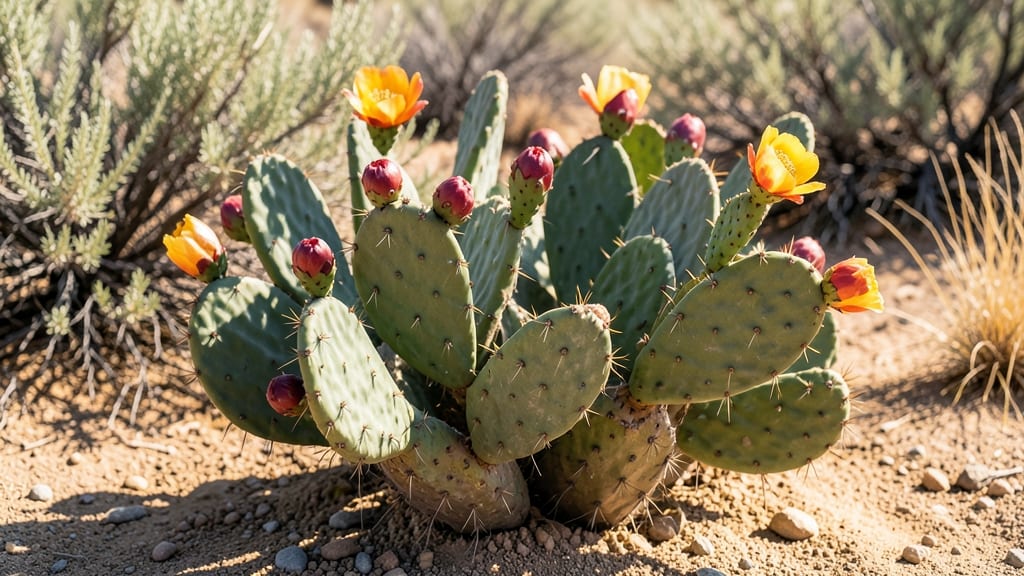
Prickly pear is a fruit botanically because it develops from the flower of the cactus plant and contains seeds, though its thick skin and cactus origin often lead to culinary classification as a vegetable or exotic ingredient. It’s also rich in nutrients and antioxidants, making it a versatile addition to gardens and diets.
Botanically speaking, prickly pear earns its fruit status because it develops from a cactus flower and houses seeds—just like apples or tomatoes. 🌱 The confusion arises because its tough outer layer and spiky exterior make it feel more like a vegetable in the kitchen.
Many cultures treat it as an exotic ingredient, but its botanical classification remains unchanged. This dual identity makes it fascinating for both gardeners and chefs!
What’s even more interesting is how prickly pear grows: the pads (nopales) and fruit both come from the same plant, yet they’re used differently in cooking. The fruit’s sweet, tangy flavor works perfectly in jams or juices, while the pads add texture to salads.
This dual-purpose nature is why prickly pear thrives in both gardens and gourmet dishes.
💡 In This Article
- Botanical Classification of Prickly Pear as a Fruit
- Growing and Harvesting Prickly Pear for Culinary Use
Botanical classification of prickly pear as a fruit
The prickly pear fruit, scientifically known as Opuntia spp., fits perfectly into botanical taxonomy because it develops from the ovary of a flowering cactus plant and contains numerous small, hard seeds. This aligns with the botanical definition of a fruit: a mature ovary that protects seeds.
The fruit's fleshy, sweet interior is what we consume, similar to how we eat the flesh of an apple or tomato, despite their tough exteriors. 🌱
What makes prickly pear unique is its cactus biology—the fruit grows directly from the plant's pads (cladodes), which are modified stems. The outer skin, covered in tiny spines called glochids, serves as a protective layer against predators and harsh desert conditions.
Inside, the fruit's pulp contains about 200-300 seeds per pound, which are harmless when cooked or processed. This seed development process is identical to other botanical fruits, reinforcing its classification.
The confusion between fruit and vegetable often stems from cultural culinary traditions. In Mexican cuisine, for example, the pads (nopales) are used like vegetables in salads or tacos, while the fruit is treated as a dessert ingredient.
This dual role mirrors how tomatoes—botanically fruits—are often used in savory dishes. 🍽️ Compared to dragon fruit (another cactus fruit), prickly pear has a more intense sweet-tart flavor and a thicker, spikier exterior, but both share the same botanical foundation.
Scientifically, the prickly pear's classification as a fruit is supported by its reproductive biology. The flower of the cactus plant undergoes fertilization, and the ovary develops into the fruit we recognize.
This process is identical to that of other fruits like peaches or grapes, where the ovary matures into edible flesh surrounding seeds. The only difference is the prickly pear's adaptation to arid environments, which gives it its distinctive appearance and texture.
One key factor that influences its culinary perception is the fruit's high fiber content—about 2-3 grams per serving
However, its sweet, jam-like pulp when ripe clearly places it in the fruit category. The mislabeling often occurs because people focus on texture rather than botanical origin, similar to how eggplants are called vegetables despite being fruits. Understanding this classification helps gardeners and chefs alike. For gardeners, knowing prickly pear is a fruit means you can propagate it using seeds or cuttings, just like other fruits. For chefs, recognizing its botanical nature opens up creative uses in both sweet and savory dishes, from jams to salsas. This dual identity makes prickly pear a fascinating bridge between fruit and vegetable worlds. 💡