
Propagation
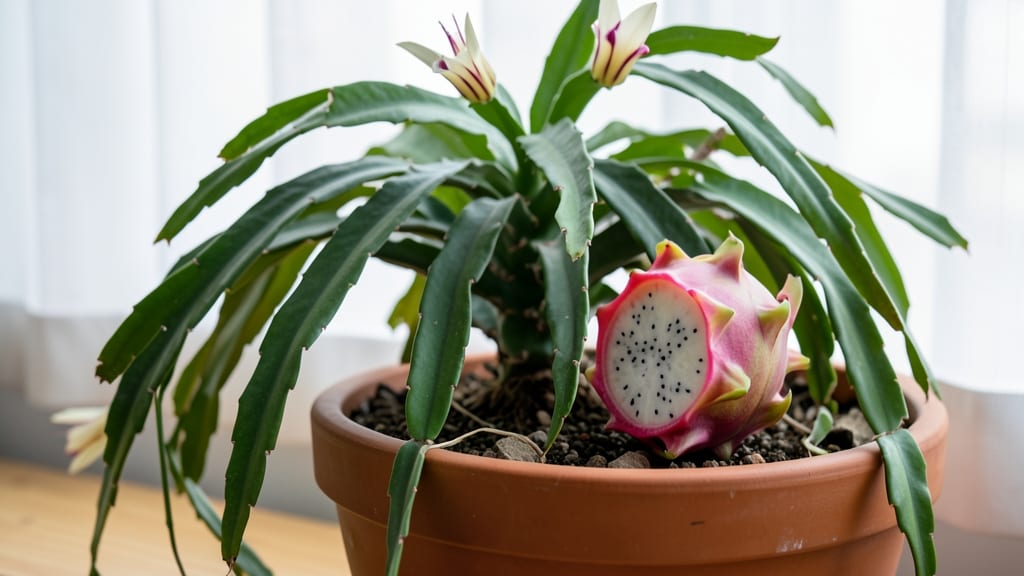
Dragon fruit does have seeds—tiny, edible black specks that are completely safe to eat and add a pleasant crunch to the fruit’s tropical flavor. These seeds are packed with fiber and antioxidants, making them a nutritious part of the fruit experience.
These seeds aren't just harmless—they're a key part of what makes dragon fruit so special. 🌱 Unlike many tropical fruits that require seed removal, dragon fruit's seeds are soft and delicate, blending seamlessly into the fruit's creamy texture.
I've found they work beautifully in smoothies or even as a topping for yogurt, adding both visual interest and nutritional value. The seeds contain small amounts of healthy fats and plant-based protein, making them a bonus when you're enjoying this vibrant fruit.
What's fascinating is how these seeds differ from other tropical fruits. While mango seeds are hard and inedible or passionfruit seeds are gelatinous, dragon fruit seeds remain intact and digestible. This unique characteristic makes the fruit more versatile in recipes—you can enjoy it whole without any preparation beyond washing.
💡 In This Article
- Dragon Fruit Seed Science: Edibility and Nutritional Role
- How to Enjoy Dragon Fruit with Seeds: Best Preparation Methods
Dragon fruit seed science: edibility and nutritional role
Dragon fruit seeds are actually the fruit's ovules, encased in a soft, translucent membrane that makes them perfectly edible.
Unlike the large, hard seeds found in fruits like mangoes or cherries, these tiny black specks measure just 1-2 millimeters in diameter and have a water content of about 80%, which keeps them soft and pliable.
The seeds are surrounded by the fruit's gelatinous flesh, which contains pectin—a natural thickening agent that gives dragon fruit its signature creamy texture.
What makes these seeds unique is their biochemical composition. Each seed contains a small amount of polyunsaturated fats (about 0.5-1% per gram of seeds) and plant-based protein (around 2-3% per gram), which is rare for fruit seeds.
The surrounding flesh provides dietary fiber (about 3 grams per 100 grams of fruit) that aids digestion, while the seeds themselves contribute to this fiber content without adding bulk. 🌱 The seeds also contain antioxidant compounds like polyphenols, which help combat oxidative stress in the body.
Comparing dragon fruit seeds to other tropical fruit seeds highlights their gentle nature. Mango seeds, for example, contain urushiol (the same compound that causes poison ivy reactions) and must be removed entirely. Passionfruit seeds, while edible, have a gelatinous coating that can make them slippery and less pleasant to eat.
Dragon fruit seeds avoid these issues by remaining intact and offering a subtle nutty, earthy flavor that complements the fruit's sweetness without overpowering it.
The edibility of dragon fruit seeds comes down to their low tannin content and absence of toxic compounds. Tannins are bitter compounds found in many seeds that can cause digestive upset, but dragon fruit seeds contain only trace amounts.
Instead, they provide a mild crunch that enhances the eating experience—similar to the tiny seeds in a kiwi but with a slightly richer mouthfeel. This makes dragon fruit one of the few tropical fruits where you can enjoy the seeds without any preparation beyond washing.
Nutritionally, the seeds play a supporting role to the fruit's overall benefits. While they don't contain significant amounts of vitamins or minerals on their own, their combination with the fruit's flesh creates a synergistic effect.
For instance, the fiber from the flesh works with the seeds' healthy fats to support gut health and cholesterol regulation. This is why nutritionists often recommend eating dragon fruit with its seeds intact rather than straining them out.
One interesting scientific fact is that dragon fruit seeds are actually underdeveloped compared to many other fruits. In botanical terms, they're classified as pseudoseeds because they don't develop from fertilized ovules like true seeds.
Instead, they form from the fruit's placental tissue, which is why they're so soft and easily digestible. This unique development process contributes to their gentle texture and makes them safe for consumption even for those with sensitive digestive systems.
If you're curious about how these seeds compare in practice, try this simple test: Cut open a dragon fruit and compare the seeds to those in a passionfruit or kiwi.
You'll notice the dragon fruit seeds remain distinct but integrated into the flesh, while other seeds either float in liquid or require chewing.
This integration is what makes dragon fruit so versatile—you can eat it straight from the skin, blend it into smoothies, or even dehydrate it while keeping the seeds intact for added nutrition. 💫