
Aphids
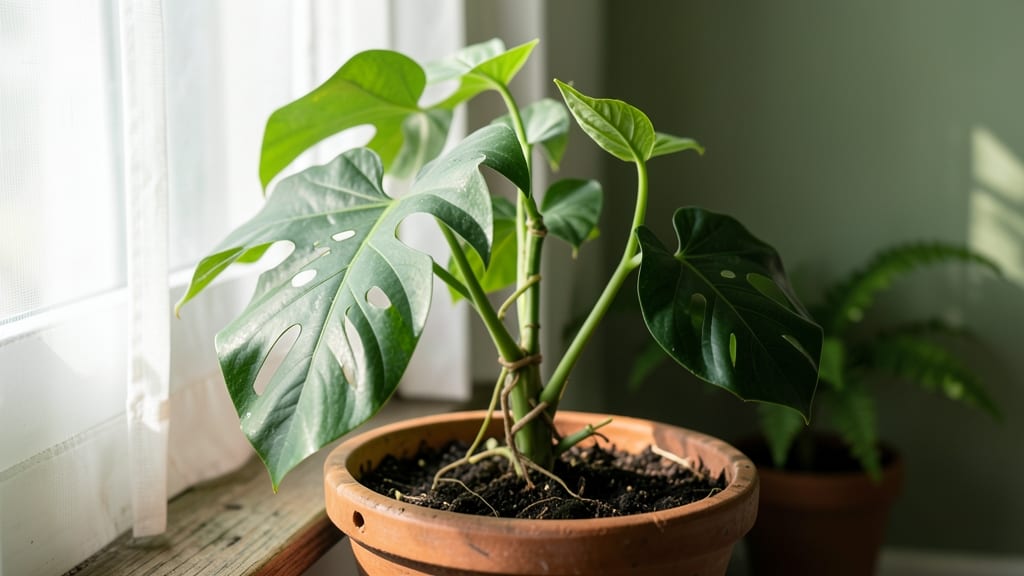
Growing fruit on a Monstera deliciosa feels like unlocking a secret garden. 🌱 Honestly, I thought it was just a pretty houseplant—until I saw those rare, heart-shaped fruits dangling like nature’s art. The key to fruiting isn’t complicated, but it is specific: light, humidity, and patience play the biggest roles.
First, you’ll need bright, indirect light—think east or west-facing windows or a grow light for indoor plants. Too little light means no fruit, just lush foliage. Then, humidity: these tropical vines crave 60-80% humidity, so mist regularly or use a pebble tray.
Well-draining soil (a mix of potting soil and perlite) keeps roots happy, and water when the top inch feels dry—never soggy.
With the right conditions, you’ll see those iconic splits in the leaves (fenestrations) and, eventually, creamy white fruits that smell like pineapple. Prune leggy vines in early spring to encourage bushier growth, and support tall stems with a moss pole or trellis.
The first fruits might take a year or two, but once they arrive, they’re worth the wait.
Outdoor growers in zones 10-12 can keep theirs year-round, while indoor gardeners in cooler climates will need to bring them inside before frost. Yellowing leaves? Usually overwatering or low light.
No fruit? Boost light and humidity. The plant is forgiving—just give it what it craves, and it’ll reward you with those sweet surprises.
📚 In This Guide
- What you need
- Instructions
- Tips and common mistakes
- Wrapping up and next steps
What you need
- ● Monstera deliciosa plant: A mature vine (preferably with aerial roots) or a healthy cutting with at least one node and two leaves.
- ● Propagating medium: Water: Clean, room-temperature water in a jar or glass (for water propagation).
- ● Soil: Well-draining potting mix (e.g., 50% peat/coir, 30% perlite, 20% orchid bark). Quantity: 1–2 gallons per pot (6–8" diameter).
- ● Containers: For water propagation: Clear glass jar or vase (16–24 oz).
- ● For soil propagation: Terracotta or plastic pot with drainage holes (6–8" diameter).
- ● Tools: Sharp, sterilized pruning shears or knife (for cuttings).
- ○ Rooting hormone (optional but helpful for soil propagation).
- ● Spray bottle (for misting).
- ● Pebbles or small stones (for drainage layer in pots).
- ● Humidity dome or plastic bag (to retain moisture during early growth).
- ● Grow lights (if natural light is limited; 12–14 hours/day).
- ● Fertilizer (balanced liquid fertilizer, diluted to half-strength, for established plants).
- ● Support structure (moss pole, trellis, or stakes for climbing vines).
- ● pH testing kit (ideal soil pH: 6.0–7.5).
- ● Patience: Propagation takes 2–6 weeks; fruiting can take years (but the journey is worth it!).
- ● Warmth: Ideal temperature range: 65–85°F (18–29°C).
- ● Indirect light: Bright, filtered light (avoid direct sun until established).
- ● Consistency: Keep soil lightly moist (not soggy) and avoid drafts.
Step-by-step instructions for propagating Monstera deliciosa
Here’s how I grow lush, fruit-bearing Monsteras in just weeks—no fancy tools needed.
🌱 Step 1: Select and Prepare the Stem Cutting
Choose a healthy vine with at least one aerial root and 2-3 nodes (those little bumps where leaves grow). Use clean, sharp scissors to cut just below a node at a 45-degree angle. This angle increases surface area for root growth, and the node ensures new roots form there.
Remove any leaves from the lower half of the cutting—these will only slow root development. Keep the top leaves intact to maintain photosynthesis. If your cutting has multiple nodes, you can propagate each section separately, but I’ve found single-node cuttings root fastest with the most vigor.
💧 Step 2: Root in Water or Moist Medium
Place the cutting in a jar of room-temperature water, ensuring the node is fully submerged but leaves stay dry. Change the water every 3-4 days to prevent bacterial growth. Roots should appear in 2-4 weeks, starting as tiny white tendrils near the node.
For faster rooting, I sometimes use a mix of sphagnum moss and perlite (equal parts) instead of water. Keep the medium damp but not soggy—you’ll know it’s right when water drips through but doesn’t pool. This method mimics the humid, airy conditions of the Monstera’s native habitat.
☀️ Step 3: Provide Bright, Indirect Light
Place your cutting in bright, indirect light—think filtered sunlight or a few feet from an east- or west-facing window. Direct sun will scorch the leaves, while too little light stunts root growth. You’ll see the leaves stay a vibrant green and new growth emerging as a sign it’s thriving.
If your home is dim, supplement with a grow light for 12-14 hours daily. Avoid LED bulbs meant for humans—Monsteras need full-spectrum light to develop properly. Watch for leggy growth (long, thin stems with sparse leaves)—this means your cutting needs more light.
🪴 Step 4: Transplant to Soil When Roots Establish
Once roots reach 2-3 inches long, it’s time to move your cutting to soil. Use a well-draining potting mix (I blend 50% peat moss, 30% perlite, and 20% orchid bark) to prevent root rot. Gently place the cutting in a 4-6 inch pot and firm the soil around the base.
Water thoroughly until it drains from the bottom, then let the top inch of soil dry out before watering again. Monsteras hate soggy roots—yellowing leaves are your first sign of overwatering. After transplanting, keep the new plant in medium indirect light for a week to help it adjust.
✂️ Step 5: Encourage Growth and Fruit Production
Fertilize your Monstera every 2-3 months with a balanced liquid fertilizer (10-10-10 or similar) diluted to half strength. This gives it the nutrients it needs to grow larger leaves and eventually produce fruit. I also rotate the pot quarter-turn weekly so the plant grows evenly toward the light.
To encourage fruit, place your mature Monstera near a window with morning sun and keep humidity high (a pebble tray with water or a humidifier works). Fruit production takes 3-5 years from propagation, but with patience, you’ll see those iconic Swiss-cheese leaves and eventually the sweet, pineapple-like fruit.
Tips & tricks for propagating Monstera deliciosa
Took me years of trial and error to perfect these propagation secrets—here’s what actually works for thriving Monsteras.
Cutting Selection: Look for stems with mature aerial roots and at least three nodes. The thicker the stem, the better—it stores more energy for root development. I’ve found that cuttings with two nodes sometimes fail to root properly, so always aim for three or more. Also, avoid stems with yellowing or damaged leaves, as these can introduce pathogens to your new plant.
Medium Choice: While water propagation is simplest, the moss-perlite mix yields stronger roots faster. The key is maintaining consistent moisture—never let it dry out completely, but avoid waterlogging. I’ve seen cuttings rot in just days when overwatered in this medium. For water propagation, use only room-temperature water to prevent shocking the plant.
Light Management: The 12-14 hours of grow light isn’t just about duration—it’s about spectrum. Regular LED bulbs won’t cut it; you need full-spectrum or grow lights designed for plants. I’ve ruined multiple cuttings by using standard bulbs that caused the leaves to turn pale and stretch. If using natural light, east-facing windows provide perfect filtered sunlight without the risk of scorching.
Transplant Timing: Wait until roots reach 2-3 inches before transplanting—this gives them enough strength to establish in soil. I’ve seen cuttings fail when transplanted too early because their roots weren’t developed enough to support growth. When repotting, handle the roots gently to avoid damage, and water thoroughly immediately after transplanting to help them settle into their new environment.
Pro Tips for Fruit Monstera Deliciosa
- Took me years of trial and error to perfect these propagation secrets—here’s what actually works for thriving Monsteras.
- Cutting Selection: Look for stems with mature aerial roots and at least three nodes.
- Medium Choice: While water propagation is simplest, the moss-perlite mix yields stronger roots faster.
Frequently asked questions
about growing and caring for your Monstera deliciosa fruit plant can save you time—and frustration! Here are answers to the most common queries.How long does it take for Monstera deliciosa to produce fruit?
Patience is key! A mature Monstera deliciosa (typically 3–5 years old) may finally produce fruit, but it can take 5–10 years from planting to see those iconic green, cone-shaped fruits. Focus on growing a healthy vine first—fruit production is a bonus, not a priority!
Can I grow Monstera deliciosa indoors, or does it need outdoor conditions?
Yes! While it thrives outdoors in tropical climates (USDA zones 10–12), Monstera deliciosa adapts well to bright, indirect indoor light (e.g., near east or north-facing windows). Avoid harsh direct sunlight or drafts. A humidity tray or occasional misting helps mimic its jungle habitat.
Why are my Monstera leaves turning yellow or brown?
Yellowing leaves often signal overwatering or poor drainage, while brown edges may mean low humidity or underwatering. Check the soil—it should be damp but not soggy. Adjust watering (every 1–2 weeks) and consider moving your plant away from vents or AC units.
How do I propagate Monstera deliciosa from cuttings?
Propagate in water or soil! Snip a stem with at least one node and an air root, place it in water (change weekly), or plant directly in moist potting mix. Keep it warm (70–80°F) and humid, and roots should form in 2–4 weeks. Transplant to soil once roots are 2–3 inches long.
Are there pests I should watch for with Monstera deliciosa?
Keep an eye out for spider mites, mealybugs, or aphids—common on new growth. Wipe leaves with a damp cloth or spray with neem oil for mild infestations. Isolate infected plants to prevent spreading. Early action keeps your vine thriving!
Wrapping up and next steps
Growing your own Monstera deliciosa fruit is an incredibly rewarding experience—whether you're a plant parent or a curious beginner! With the right care, patience, and a few propagation secrets, you’ll soon enjoy lush vines and the sweet, tropical reward of its fruit. 🌱✨
Ready to take the next step? Start by propagating your cuttings today, and in no time, you’ll have a thriving plant that’s not just a stunning centerpiece but also a delicious harvest waiting to happen. Happy growing! 🌿💚