
Pruning
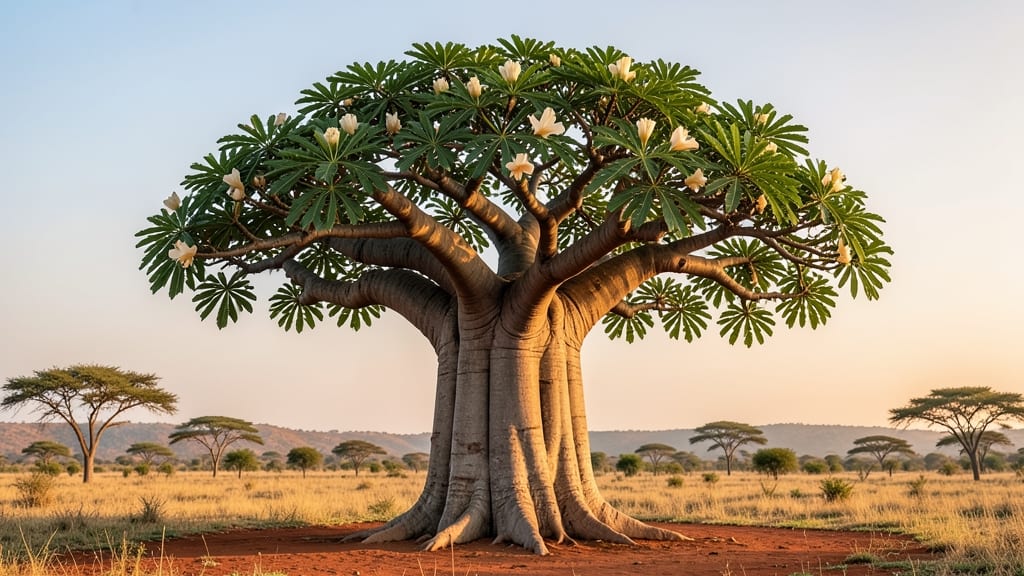
Growing a fruit baobab tree from seed means you're planting a living monument—one that could outlive you by centuries. 🌳 These ancient giants thrive where most plants struggle, storing water like nature's own reservoir and standing tall in droughts that kill weaker species.
The secret to success starts with patience: baobabs grow at a glacial pace, but once established, they demand almost no care. You'll need well-draining soil, full sun all day, and protection from frost, which is their only real weakness.
The first few years focus on root development—water deeply but infrequently, mimicking their natural desert conditions.
By year five, you might see your first small leaves, and within a decade, you could have a tree that looks like it belongs in a national park.
The real payoff comes when those massive, cotton-like seed pods finally appear—harvest them when they split open naturally for the most flavorful fruit.
Perfect for adventurous gardeners in zones 9-11 who want a project with generational impact. Here's how to get started right.
📚 In This Guide
- What you need
- Instructions
- Tips and common mistakes
- Wrapping up and next steps
What you need
- ● Baobab seeds: 3–5 fresh, viable seeds (preferably from a reputable supplier or organic source). Pro tip: Soak seeds in warm water for 24 hours to soften the hard outer shell!
- ● Potting soil: 10–15 lbs of well-draining, sandy loam mix (pH 6.0–8.0). Avoid heavy clay soils.
- ● Containers: 1–2 small pots (6–8 inches deep) for seed germination.
- ● 1 large pot (12+ inches deep) or nursery bed for saplings (baobabs grow tall fast!).
- ● Grow lights or sunny outdoor space: Baobabs thrive in full sun (6+ hours daily). A grow light is a backup for indoor starters.
- ● Watering can or spray bottle: For gentle hydration (overwatering is a baobab’s enemy!).
- ● Pruning shears: Sharp, sterilized shears for shaping (once your tree reaches 3–5 feet tall).
- ○ Mulch (optional): 2–3 inches of organic mulch (e.g., straw or wood chips) to retain moisture and regulate soil temp.
- ● Temperature: Ideal germination range: 70–85°F (21–29°C). Mature trees tolerate heat but avoid frost (<32°F/0°C).
- ● Humidity: Low to moderate (baobabs dislike soggy roots). Use a humidity tray if indoors.
- ● Patience: Germination can take weeks to months—stay consistent!
- ● Soil moisture meter to monitor dryness.
- ● Fertilizer (low-nitrogen, balanced formula like 5-5-5) for established trees (apply sparingly).
- ● Tree stakes and ties for young saplings in windy areas.
- ● Pest control (neem oil or insecticidal soap) for aphids or scale.
Step-by-step guide to growing baobab trees from seed
Here's how to nurture these ancient giants from tiny seeds into thriving specimens.
🌱 Step 1: Prepare and Stratify the Seeds
Baobab seeds need a cold treatment called stratification to break dormancy. Soak the seeds in warm water for 24 hours first—this softens the tough outer shell. After soaking, place them in a sealed plastic bag with slightly damp peat moss or coco coir. Store the bag in your refrigerator for 6-8 weeks at 40-45°F.
Check the bag weekly to ensure the moss stays barely moist—never soggy. The seeds won't sprout during this time, but the cold treatment tricks them into thinking winter has passed. Real talk: Skipping stratification means seeds may never germinate, so don't rush this step.
☀️ Step 2: Plant in Well-Draining Soil Mix
After stratification, fill a 4-6 inch deep pot with a mix of 50% cactus/succulent soil and 50% perlite or coarse sand. This prevents root rot, which is deadly for young baobabs. Plant seeds ½ inch deep—they're large, so don't bury them too shallowly.
Water gently until moisture reaches the bottom of the pot, then place the container in a warm spot with bright, indirect light. Baobab seedlings hate soggy conditions, so wait until the top 1 inch of soil feels dry before watering again. You'll see the first true leaves emerge in 4-8 weeks—patience is key here.
🪴 Step 3: Transplant and Provide Full Sun
Once seedlings reach 6-8 inches tall with 4-5 true leaves, transplant them into 8-inch pots with the same soil mix. Baobabs grow fast once established, so upgrade to a 15-gallon container within a year if growing indoors. Move outdoors only after the last frost when nighttime temps stay above 50°F.
Place the tree in full sun—at least 6-8 hours daily. Baobabs need intense light to develop their iconic thick trunks. You'll notice the stem thickening dramatically in its first year if conditions are right. Here's the thing—baobabs are drought-tolerant, but young trees still need consistent moisture while establishing roots.
✂️ Step 4: Prune and Support Growth
Baobabs rarely need pruning, but remove any dead or crossing branches with sterilized pruning shears to maintain an open canopy. The tree's natural shape is its beauty, so avoid heavy pruning. In their native habitat, baobabs grow 50-80 feet tall, but container-grown specimens typically reach 15-25 feet.
Support the trunk with a small stake if it begins to lean—baobabs develop incredible wood density but can be top-heavy as juveniles. Fertilize lightly with a balanced 10-10-10 formula in spring and summer, but avoid overfeeding. Too much nitrogen produces weak growth prone to breakage.
🍃 Step 5: Harvest Fruit When Mature
Baobab trees grown from seed may take 10-15 years to produce fruit, but proper care speeds this along. The fruit appears as large, round pods that turn from green to brown when ripe. Harvest in late summer or fall when pods begin to split open naturally—this signals the seeds inside are ready.
Dry the pods in a warm, shaded area for 2-3 weeks before processing. The white pulp inside is edible and packed with nutrients, but the seeds can be replanted for future trees. I know it seems like a long wait, but baobabs reward patience with a tree that lives for centuries.
Tips & tricks for perfect baobab tree cultivation
Common pitfalls—and how to sidestep every one—when nurturing these ancient giants from seed.
Stratification Success: The 24-hour soak before refrigeration is non-negotiable for breaking dormancy. I've seen seeds fail to germinate when this step was skipped—those tough outer shells need that warm water treatment to soften. After soaking, place the sealed bag with peat moss or coco coir in the fridge at exactly 40-45°F. Use a small thermometer to verify this range, as some fridges have temperature fluctuations. The cold treatment mimics winter conditions, tricking the seed into thinking it's time to grow.
Soil Mix Secrets: That 50/50 blend of cactus/succulent soil and perlite or coarse sand isn't just arbitrary—it's about aeration. Young baobab roots are particularly vulnerable to rot, and this mix prevents waterlogging while still retaining enough moisture. I've had the best success using a mix that feels like a damp sponge rather than wet sand. Pro tip: Add a handful of orchid bark to improve drainage even further without compromising moisture retention.
Lighting Strategy: The bright, indirect light phase in Step 2 is crucial for establishing strong seedlings. I recommend placing your pots near an east-facing window where they'll get gentle morning sun. If you're using artificial grow lights, maintain them 12-18 inches above the seedlings for 12-14 hours daily. Watch for leaves that look pale or stretched—these are signs of insufficient light. Baobabs are sun worshippers, but their first light exposure needs to be gradual to avoid leaf scorch.
Transplant Timing: Waiting until your seedlings reach 6-8 inches with 4-5 true leaves ensures they have enough energy reserves for the transplant shock. I've found that seedlings at this stage handle the transition to larger pots much better than smaller ones. When upgrading to 15-gallon containers, use your finger to gently loosen the root ball before transferring—this encourages new root growth into the fresh soil. The key is patience here; rushing the transplant can set your baobab back for months.
Pro Tips for Fruit Baobab Tree
- Common pitfalls—and how to sidestep every one—when nurturing these ancient giants from seed.
- Stratification Success: The 24-hour soak before refrigeration is non-negotiable for breaking dormancy. I've seen seed...
- Soil Mix Secrets: That 50/50 blend of cactus/succulent soil and perlite or coarse sand isn't just arbitrary—it's abou...
Frequently asked questions
Got questions about growing baobab trees and harvesting their prized fruit? Here are some of the most common queries—plus quick answers to help you navigate the process with confidence!
How long does it take for a baobab tree to bear fruit?
A baobab tree typically takes 10–20 years to mature enough to produce fruit. Patience is key—young trees focus on root and trunk growth before flowering. In ideal conditions (warm climates, well-drained soil), some may fruit earlier, but don’t expect a harvest before a decade!
Can baobab trees survive cold weather? What’s the ideal climate?
Baobab trees are tropical/subtropical and thrive in USDA Zones 9–11. They cannot tolerate frost—temperatures below 30°F (-1°C) can damage or kill them. If you live in colder areas, grow them in containers and bring them indoors during winter or plant them near heat-retaining walls.
What can I do with baobab fruit if I can’t eat it fresh?
Baobab fruit is not typically eaten raw—it’s packed with hard seeds and a dry, powdery pulp. Instead, try these uses:
- Powdered supplement: Dry and grind the pulp for a nutrient-rich powder (high in calcium and vitamin C).
- Beverages: Mix into smoothies, juices, or ferment for a tangy drink.
- Skincare: The pulp’s antioxidants make it great for DIY face masks.
- Animal feed: The leaves are a nutritious livestock snack!
Why aren’t my baobab flowers/fruit appearing? Troubleshooting tips.
If your baobab isn’t flowering or fruiting, check these common issues:
- Age: Trees under 10 years old won’t fruit—be patient!
- Light: Needs full sun (6+ hours/day). Move it if shaded.
- Soil: Prefers well-draining, slightly alkaline soil. Amend clay soil with sand.
- Water: Overwatering causes root rot. Water deeply only when soil is dry.
- Pollination: Baobabs rely on bats and insects. If indoors, hand-pollinate with a soft brush.
Are there baobab tree alternatives for smaller spaces?
If a full-sized baobab (up to 80 feet tall) is too big, consider these dwarf or compact alternatives with similar benefits:
- Dwarf baobab (Adansonia digitata ‘Mini’): Grows to 6–10 feet in containers.
- Jojoba tree: Drought-tolerant, produces edible seeds (not fruit), and stays small.
- Pomegranate: Cold-hardy, edible fruit, and thrives in pots.
- Moringa: Fast-growing, nutrient-packed leaves, and fits in tight spaces.
For fruit lovers, dwarf citrus trees (like calamondins) are another great option!
Wrapping up and next steps
Growing a fruit baobab tree is a rewarding journey that blends patience, care, and a touch of adventure! 🌱 From nurturing tiny seeds to harvesting nutrient-rich fruit, every step offers a deeper connection to nature’s wonders.
Whether you’re drawn by its unique cultural significance, superfood potential, or simply the joy of cultivating something extraordinary, your baobab tree will thrive with the right knowledge and dedication.
Ready to take the next step? Start small—plant a seed today! Research local climate conditions, connect with fellow baobab enthusiasts, and watch your tree grow into a symbol of resilience and abundance. The baobab’s legacy is waiting for you to cultivate it. 🌍✨