
Landscaping
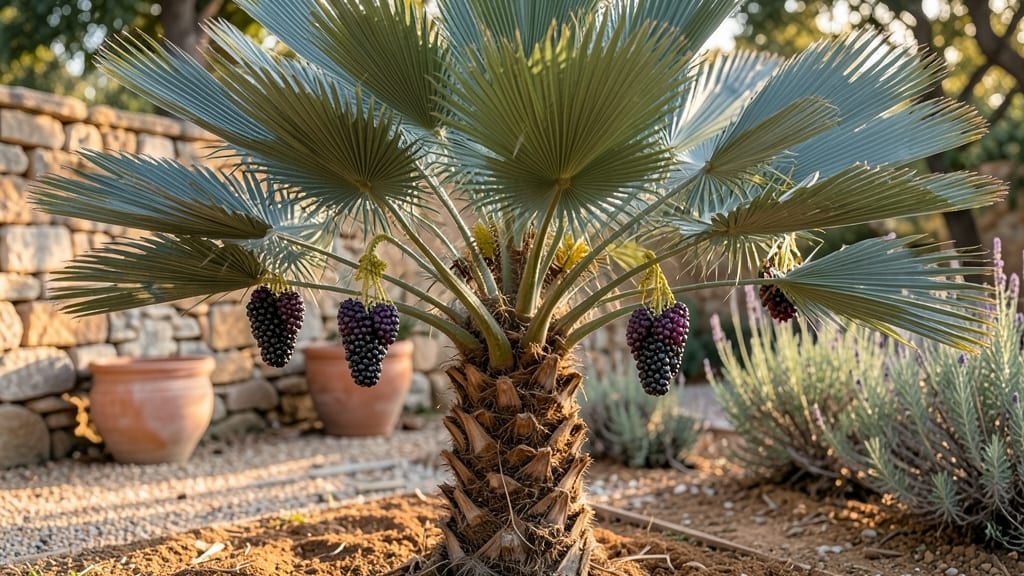
Growing European fan palm fruit means transforming your yard into a Mediterranean oasis where towering palms produce edible treasures. 🌿 This hardy palm thrives in zones 7-10, making it one of the few palms that can survive mild winters—if you give it the right conditions.
The key to fruit production starts with well-draining soil and full sun exposure (at least 6 hours daily). Too much shade or soggy roots will stunt growth and fruit development. I’ve found that a light layer of mulch helps retain moisture while keeping roots cool during summer heat.
Once established, your palm will reward you with small, dark purple fruits that ripen in late fall. They’re not the most flavorful, but they’re edible and prized for their ornamental value. The real magic happens when you see those first clusters forming—proof your palm is happy and healthy.
Watch for spider mites and palm aphids, which can stress the plant and reduce fruiting. A simple spray of neem oil usually keeps pests at bay. With patience, your European fan palm will become a stunning focal point that pays dividends in both beauty and harvest.
📚 In This Guide
- What you need
- Instructions
- Tips and common mistakes
- Wrapping up and next steps
What you need
- ● Mature European Fan Palm (Chamaerops humilis) – A healthy, fruit-bearing palm tree (height: 6–12 ft, diameter: 3–6 ft). Note: Fruits ripen in late summer/fall.
- ● Harvesting tools: Pruning shears or a harvesting pole (extendable, 8–12 ft long) for high branches.
- ● Thick work gloves (cut-resistant, size medium/large).
- ● A ladder (if the tree is tall or dense).
- ● Processing supplies: Sharp chef’s knife or cleaver (for slicing fruit).
- ● Cutting board (plastic or wood, 12"x18").
- ● Colander (stainless steel, 8–10" diameter).
- ● Large mixing bowls (2–3, for sorting/separating seeds).
- ● A fruit ripening tray (for storing unripe fruit at room temp to speed up ripening).
- ● Food-safe bleach solution (1 tsp bleach per gallon of water) for sanitizing tools.
- ● Small mesh bags (for drying seeds or storing pulp).
- ● Recipes or guides for cooking with fan palm fruit (e.g., jams, smoothies, or fermented drinks).
- ● Ensure the palm is non-toxic (European Fan Palm is safe, but always confirm species!).
- ● Check local harvesting laws—some regions require permits for wild palms.
- ● Wear eye protection (safety goggles) when climbing or cutting near branches.
- ● Work with a partner if harvesting from tall trees for safety.
How to harvest and prepare European fan palm fruit
Here's how I handle these striking fruits—from spotting ripe clusters to processing them safely.
🌿 Step 1: Identify Ripe Fruit Clusters
European fan palms (Chamaerops humilis) produce small, orange-red drupes in late summer to fall. Look for clusters where at least 70% of fruits have turned a deep, vibrant color—this signals peak ripeness. The fruit should yield slightly when pressed gently with your thumbnail, not feel rock-hard or mushy.
Harvest on a dry morning after dew has evaporated. Use clean, sharp pruning shears to cut the entire cluster stem, leaving 1-2 inches attached. This prevents damage to the tree and makes handling easier. I always wear gloves—some palms have small thorns along the rachis that can prick through fabric.
🪴 Step 2: Process the Harvest Immediately
Spread the clusters on a clean, breathable surface like a wire rack or paper towels to air-dry for 2-3 hours. This prevents mold from forming in the crevices. Remove any damaged or insect-chewed fruits immediately—they spoil quickly and can ruin the whole batch.
For immediate use, rinse the clusters under cool water to remove dust or insect debris. Pat dry with paper towels, then store in a paper bag (not plastic) in the refrigerator for up to 5 days. The paper allows slight airflow while preventing moisture buildup that causes rot.
✂️ Step 3: Extract and Prepare the Edible Portion
Each drupe contains a single, oval seed surrounded by a thin, sweet pulp. To remove it, hold the fruit between your thumb and index finger, then gently twist and pull the two halves apart. The seed will pop free, leaving the edible pulp clinging to one half—discard the fibrous outer skin.
For eating fresh, I scrape the pulp with a small spoon or my fingernail onto a plate. The flavor is subtly sweet with a citrusy tang—perfect for sprinkling over salads or yogurt. To preserve, blend the pulp with an equal part water, then strain through a fine mesh sieve to remove any remaining fiber. Store the liquid in an ice cube tray and freeze for later use.
💧 Step 4: Store or Use Within 3 Days
Fresh pulp keeps best when refrigerated in an airtight container. Use it within 3 days for peak flavor, as it loses sweetness and develops a slightly bitter aftertaste. For longer storage, freeze the pulp in 1-teaspoon portions on a parchment-lined tray before transferring to a bag.
Here's the thing—these fruits are not shelf-stable like dates or figs. If you won't use them all at once, consider drying the pulp on low heat in a dehydrator or oven (set to 170°F) for 4-6 hours, stirring occasionally. The dried version makes a unique, concentrated sweetener for baked goods or teas.
Tips & tricks for perfect European fan palm fruit preparation
Between us, these delicate fruits demand a little extra care—but these tricks will make all the difference in preserving their unique flavor and texture.
Ripeness Test: The 70% color rule is your best guide, but here's what I learned the hard way: press the fruit gently—it should give slightly like a ripe peach, not feel firm like an apple or mushy like overripe fruit. I once harvested a batch that looked perfect but tasted bland because they weren't quite ripe enough. The color test alone isn't foolproof!
Harvest Timing: That dry morning window is critical for preventing rot during storage. If you must harvest later in the day, work with the clusters immediately and skip the air-drying step—moisture buildup from dew can cause mold within hours. I've seen perfectly good fruit spoil overnight when left to dry too late in humid conditions.
Processing Shortcut: For larger harvests, use a clean kitchen towel instead of paper towels to pat dry the clusters. The fabric absorbs more moisture and you can wring it out between uses. Just be sure to sanitize it thoroughly between batches to avoid cross-contamination. This cuts drying time by about 30 minutes when you're working with big quantities.
Pulp Preservation: When freezing the pulp liquid in ice cube trays, let the cubes freeze solid first, then transfer to a bag. This prevents them from sticking together. I like to label the bags with the date—these freeze-dried cubes keep their flavor for up to 6 months in the freezer, making them perfect for adding to smoothies or sauces later.
Pro Tips for European Fan Palm Fruit
- Between us, these delicate fruits demand a little extra care—but these tricks will make all the difference in preserving their unique flavor and texture.
- Ripeness Test: The 70% color rule is your best guide, but here's what I learned the hard way: press the fruit gently—it should give slightly like a ripe peach, not feel firm like an apple or mushy like overripe fruit.
- Harvest Timing: That dry morning window is critical for preventing rot during storage.
Frequently asked questions
Can I grow a European fan palm in my backyard?
The Chamaerops humilis (European fan palm) thrives in USDA zones 8-11, making it ideal for Mediterranean climates or coastal regions. If you live in colder areas, grow it in large containers and bring it indoors during winter. It needs full sun (6+ hours daily) and well-draining soil—avoid soggy roots!
How long does it take for a European fan palm to produce fruit?
Patience is key! A healthy palm may take 5-10 years to bear fruit, depending on growing conditions. Female palms (needed for fruiting) are rarer than males—ensure you plant one of each (or a single self-pollinating variety like 'Humilis'). Warm summers (75°F+) and consistent care speed up the process.
What does European fan palm fruit taste like, and how do I eat it?
The fruit is small, dark purple, and sweet-tart, resembling a mix of dates and lychees. Eat it fresh when ripe (soft and fragrant) or dry it for a chewy, nutty snack. Remove the fibrous outer layer first—it’s edible but chewy! Birds love it too, so harvest promptly.
Are there any pests or diseases I should watch for?
Watch for spider mites (yellowing fronds) and palm weevils (oozing wounds). Scale insects and fungal leaf spots can also appear in humid climates. Prune damaged fronds, use neem oil for pests, and avoid overhead watering. Drainage issues lead to root rot—plant in raised beds if your soil is heavy.
What are some alternatives if I can’t grow a European fan palm?
Try these palm varieties for fruit or ornamental value:
- Pygmy date palm (Phoenix roebelenii): Cold-hardy and produces edible dates.
- Mediterranean fan palm (Trachycarpus fortunei): Hardy to zone 6, with decorative fronds.
- Sugar palm (Arenga pinnata): Tropical but yields sweet sap and edible fruit.
Wrapping up and next steps
The European Fan Palm fruit isn’t just a stunning addition to your landscape—it’s a delicious and sustainable harvest waiting to be discovered! 🌿 From its unique growth habits to its edible, nutrient-rich fruit, this tropical gem offers both beauty and bounty.
Whether you’re a gardening enthusiast or a culinary explorer, now’s the perfect time to plant, nurture, and savor the rewards of this exotic palm.
Ready to take the next step? Start by selecting a healthy sapling and give your European Fan Palm the love it deserves. Before you know it, you’ll be harvesting your own sun-ripened fruit straight from your backyard—what’s more rewarding than that? 🌟