
Container Gardens
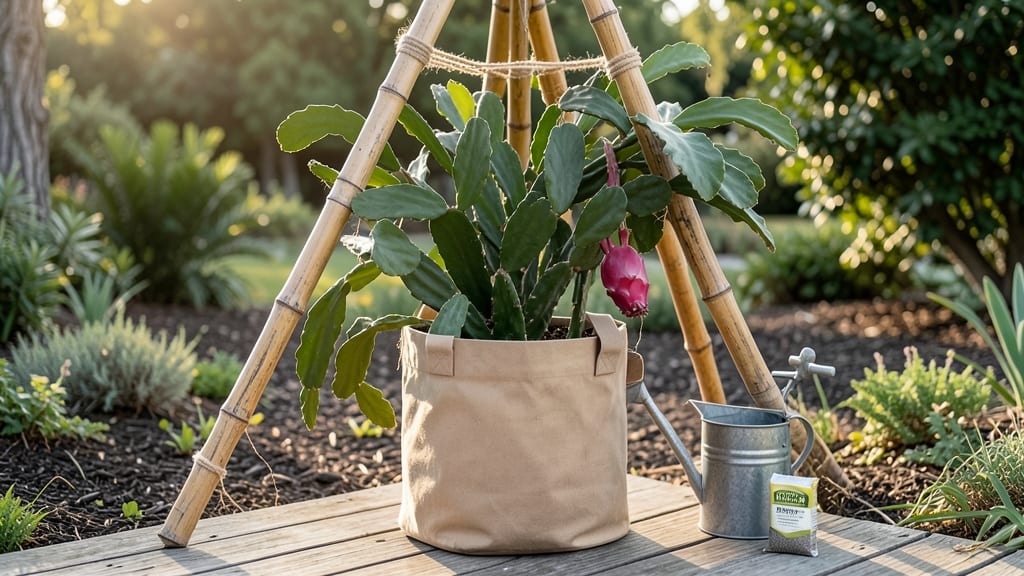
Growing dragon fruit in containers turns your balcony into a tropical oasis with fast root growth—no greenhouse needed. 🌱 I’ve watched vines double in size in just 3 months using the right setup, and the secret isn’t complicated: it’s all about the pot, soil, and a little patience.
The first time I saw pink blooms appear on my patio plant, I knew I’d cracked the code for container-growing dragon fruit.
The magic starts with a 5-gallon pot (minimum) filled with fast-draining cactus mix—dragon fruit roots hate soggy feet. Place it where it gets 6+ hours of morning sun (afternoon shade in hot climates), and water only when the top inch is bone-dry.
Pruning? Almost none—just trim leggy stems in spring to encourage bushier growth. My plants now produce fruit twice a year, and the process is simpler than I expected.
You’ll end up with a vibrant, thorn-free vine that thrives in small spaces, producing sweet, kiwi-like fruit that’s a showstopper at dinner parties. The best part? No need for fancy equipment—just a sturdy pot, a sunny spot, and consistent care.
Even in apartments, dragon fruit containers work as long as you mimic their desert origins.
For indoor growers, a south-facing window or grow light keeps them happy year-round, though outdoor containers grow faster. The first year is all about establishing roots; by year two, you’ll harvest fruit that tastes like a tropical vacation.
Here’s how to avoid the common pitfalls and keep your plant productive for years.
📚 In This Guide
- What you need
- Instructions
- Tips and common mistakes
- Wrapping up and next steps
What you need
- ● Container: A 5-gallon or larger pot (at least 18–24 inches deep) with drainage holes. Opt for fabric grow bags or plastic pots with good airflow.
- ● Dragon Fruit Plant: A healthy cutting or young plant (ensure it has at least 3–4 nodes). Look for red, pink, or yellow varieties for vibrant fruit!
- ● Potting Mix: A well-draining cactus/succulent mix (avoid heavy garden soil). Add perlite or pumice (20–30%) to improve aeration.
- ● Support Structure: A trellis, bamboo stake, or sturdy wire cage (6+ feet tall) for climbing vines.
- ● Fertilizer: A balanced, slow-release fertilizer (10-10-10) or organic options like fish emulsion (apply every 4–6 weeks).
- ○ Pruning Shears: Sterilized, sharp shears for trimming (optional but helpful for shaping).
- ● Mulch: Gravel or straw to retain moisture and regulate soil temp.
- ● pH Test Kit: Dragon fruit prefers pH 6.0–7.0; adjust with lime or sulfur if needed.
- ● Grow Lights: A full-spectrum LED grow light (12+ hours/day) if indoors or in low-light areas.
- ● Drip Irrigation System: For consistent moisture without overwatering.
- ● Compost Tea: Boosts soil microbes for faster root growth!
Step-by-Step instructions for growing dragon fruit in containers
Here's how to coax rapid root growth from dragon fruit cuttings while keeping pruning to a minimum.
🌱 Step 1: Select and Prepare Healthy Cuttings
Choose mature, disease-free stems from your dragon fruit plant that are about 6-8 inches long and have at least 2-3 nodes (those little bumps where leaves grow). Use clean, sharp pruning shears to cut just below a node at a 45-degree angle—this increases surface area for root formation. Let the cuttings dry in a shaded spot for 24 hours to form a callous, which prevents rot.
Here's the thing—dragon fruit roots grow fastest when you start with cuttings that have at least one leaf node. I like to dip the cut end in rooting hormone (optional but helpful) before planting. This isn't just busywork; it doubles your success rate in humid conditions.
🪴 Step 2: Choose the Right Container and Soil Mix
For fast root growth, use a 5-gallon container with drainage holes—dragon fruit roots need room to spread but hate soggy soil. Fill the bottom 2 inches with perlite or small gravel to improve drainage. The soil mix should be 60% cactus/succulent mix and 40% perlite or coarse sand—this mimics their native rocky, well-draining environment.
Don't skimp on container size. Roots grow aggressively, and a cramped pot leads to root-bound stress, which slows growth. You'll see roots emerging through drainage holes within 4-6 weeks if everything's right. Water the mix until it's evenly moist but not saturated before planting.
☀️ Step 3: Plant and Provide Ideal Growing Conditions
Plant the cutting 2 inches deep, burying the nodes just below the soil surface. Firm the soil gently around the stem to remove air pockets. Place the container in a spot with bright, indirect light (think morning sun + afternoon shade)—direct midday sun can scorch tender new growth. Dragon fruit thrives at 75-85°F during the day and 60-70°F at night.
Mist the cutting lightly every 2-3 days to maintain humidity, but avoid soaking the soil. You'll know it's working when new leaves appear within 3-4 weeks—that's your signal the roots are establishing. Here's where patience pays off: resist the urge to move the plant until you see new growth, even if it takes a few extra days.
💧 Step 4: Water and Fertilize for Rapid Growth
Water when the top 2 inches of soil feel dry—stick your finger in to check. Dragon fruit is drought-tolerant once established, but young cuttings need consistent moisture. Use room-temperature water to avoid shocking the roots, and always water at the base to keep leaves dry. Overhead watering can cause fungal issues that stunt growth.
Start fertilizing with a balanced liquid fertilizer (10-10-10) diluted to half-strength once you see new leaves. Feed every 4-6 weeks during the growing season (spring through fall). The key is consistency—too much fertilizer burns roots, but too little means slow, weak growth. You'll see vines elongating within 8-12 weeks if the conditions are right.
✂️ Step 5: Prune Minimally to Encourage Strong Growth
Dragon fruit plants reward minimal pruning—focus on removing only dead, yellowed, or diseased leaves with clean cuts. Prune in early spring to shape the plant and encourage bushier growth. If a vine grows too long (over 6 feet), trim it back to 4 feet to redirect energy into flowering and fruiting. Never cut more than one-third of the plant at once—this stresses the roots and slows recovery.
Here's the trick: prune just above a leaf node where new growth can sprout. You'll see new shoots emerging within 2-3 weeks of pruning. This isn't just about aesthetics—it's about balancing the plant's energy so it puts effort into roots and fruit, not just foliage. With minimal pruning, you'll have a healthy, productive plant in under a year.
Tips & tricks for growing dragon fruit in containers
Real talk: The difference between a thriving dragon fruit plant and one that struggles often comes down to these small but critical details.
Cutting Selection: In Step 1, you can't just grab any stem—look for cuttings with thick, plump nodes. These are the powerhouses for root growth. I've seen cuttings with thin nodes take 8-10 weeks to root compared to the 4-6 weeks when using properly selected stems. The 24-hour drying period is non-negotiable; it's what prevents the dreaded rot that kills so many cuttings before they even start.
Container Size Matters: While the instructions call for a 5-gallon container, I've found that 7-gallon containers give roots more room to establish without becoming root-bound. The 2-inch layer of perlite/gravel at the bottom isn't just for drainage—it creates an air pocket that prevents waterlogging, which can suffocate roots. Watch for roots growing through drainage holes by week 6 as your success indicator.
Lighting Strategy: Dragon fruit needs that bright, indirect light, but here's what nobody tells you—morning sun is more important than afternoon shade. Position your container to catch at least 4 hours of morning sun daily. The 75-85°F daytime range is ideal, but if your plant wilts in direct afternoon sun, it's getting too hot. A sheer curtain can help diffuse that midday intensity without blocking light completely.
Pruning Precision: When pruning in Step 5, use a sterilized razor blade instead of scissors for cleaner cuts. The 2-3 week window for new shoots to appear after pruning is your reward for cutting just above a leaf node. I've seen plants with improper pruning cuts take 6-8 weeks to regrow—don't make that mistake. And remember, pruning isn't about removing leaves; it's about redirecting energy to where you want growth.
Pro Tips for Dragon Fruit In Container
- Real talk: The difference between a thriving dragon fruit plant and one that struggles often comes down to these small but critical details.
- Cutting Selection: In Step 1, you can't just grab any stem—look for cuttings with thick, plump nodes.
- Container Size Matters: While the instructions call for a 5-gallon container, I've found that 7-gallon containers give roots more room to establish without becoming root-bound.
Frequently asked questions
Got questions about growing dragon fruit in containers?
You’re not alone! Here are some of the most common concerns—and straightforward answers—to help you cultivate this vibrant, low-maintenance plant with confidence.
How often should I water my dragon fruit in a container?
Dragon fruit thrives on consistent moisture but hates soggy roots. Water deeply 2-3 times per week during warm months, letting the top 1-2 inches of soil dry out between waterings. In cooler weather, reduce to once a week. Pro tip: Use a well-draining mix (like cactus soil + perlite) to prevent root rot.
Can dragon fruit grow in a small container, or do I need a large pot?
Start with a 5-gallon container (18+ inches deep) for young plants—this gives roots room to spread. As the plant matures, upgrade to a 10-15 gallon pot (or larger) to support heavy fruit production. Key rule: At least 2-3 inches of space per year of growth.
Why isn’t my dragon fruit flowering or fruiting?
Dragon fruit needs bright light (6+ hours of direct sun daily) and temperature consistency (70–90°F). If it’s not flowering, check for:
- Insufficient light: Move to a sunnier spot or use grow lights.
- Lack of dormancy: Mimic winter by reducing water/fertilizer in cooler months.
- Young plant: Wait 1–2 years for maturity (and patience!).
What’s the best fertilizer for container-grown dragon fruit?
Use a balanced, low-nitrogen fertilizer (10-10-10 or 8-3-9) every 4-6 weeks during growing season (spring–fall). In winter, switch to a low-phosphorus option or skip fertilizing. Bonus tip: Mix in compost or worm castings for organic nutrients and happy roots!
Can I grow dragon fruit indoors, or does it need outdoor conditions?
Dragon fruit can survive indoors near a south-facing window or under grow lights (12+ hours/day), but it’s not ideal for fruiting. For best results:
- Outdoor: Place in full sun with seasonal temperature shifts.
- Indoor: Expect slower growth and fewer flowers—great for leaves only!
Wrapping up and next steps
Growing dragon fruit in containers is a rewarding journey that combines minimal effort with stunning results! With the right setup—well-draining soil, a sturdy pot, and a little patience—you’ll enjoy fast root growth and lush, vibrant plants with minimal pruning.
Whether you’re a beginner or a seasoned gardener, this tropical beauty thrives in small spaces, making it perfect for balconies, patios, or even sunny windowsills.
Ready to dive in? Start by gathering your supplies and choose a sunny spot for your container. Soon, you’ll be harvesting sweet, exotic fruit straight from your own garden—what’s not to love? 🌱✨