
Blooming
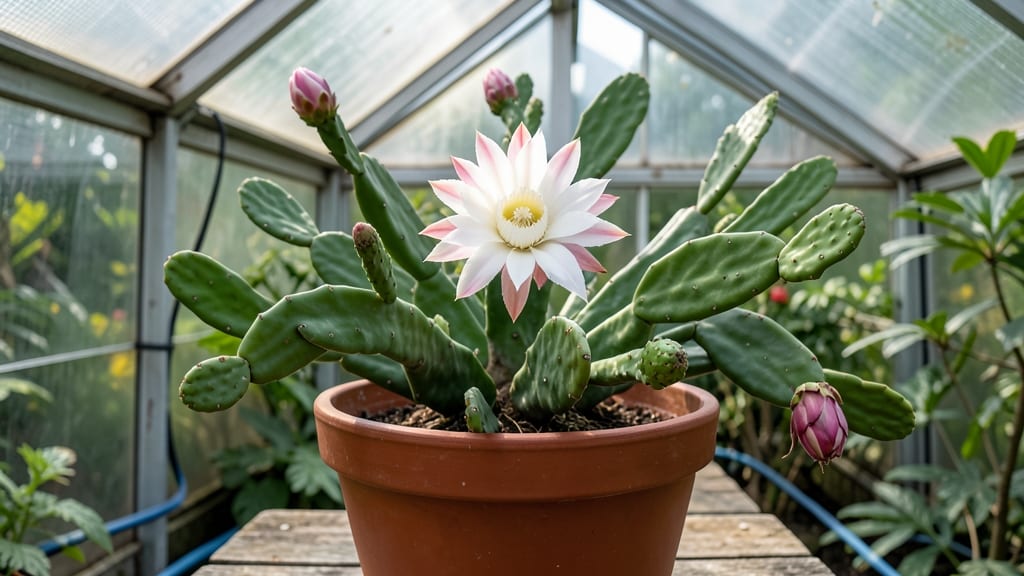
The dragon fruit flowering stages are what turn your 🐉 cactus into a fruiting powerhouse—but only if you know what to watch for.
Picture this: You’ve waited months for that first flower bud, only to see it drop before it even opens. Or worse, the bloom arrives, but no fruit follows. Missing a stage means missing the harvest.
The good news? Each phase has telltale signs, from the tiny green bump to the final wilted petals—and I’ll show you exactly how to spot them.
Why does this matter? Because dragon fruit plants in USDA Zones 10-11 can flower year-round, but without the right conditions (or a little help from you), those blooms won’t turn into fruit.
We’ll cover the 4 key stages, what each one needs to thrive, and how to troubleshoot when things go wrong.
By the end, you’ll know not just when to expect fruit, but how to encourage every stage—so your dragon fruit cactus doesn’t just bloom, it bears.
Dragon fruit flowering stages explained: visual guide to bud, bloom, and pollination
Understanding your dragon fruit's flowering stages is the key to a successful harvest. These tropical vines (Hylocereus spp.) produce stunning night-blooming flowers that last just one evening, making timing everything.
Each stage—from bud formation to post-pollination—offers clues about your plant's health and future fruit production. Let's break down what to watch for at every step.
Dragon fruit flowers typically appear in spring or summer (or year-round in tropical zones) and follow a predictable 4-stage cycle. The first sign is usually a small green bud emerging from the plant's areoles (the fuzzy pads along the stem).
These buds grow rapidly over 3-5 days before opening, so staying alert is crucial. Missing this window means missed opportunities for fruit!
| Stage | Visual Cues | Flower Size/Color | Duration | Fruit Potential |
|---|---|---|---|---|
| Bud Formation | Small green bump appears on areole; feels firm | Green (0.5-1 inch) | 3-5 days | High (if healthy) |
| Opening | Bud splits open at dusk; white/pink petals emerge | 4-6 inches wide | 1 evening (24 hours) | Moderate (pollination required) |
| Peak Bloom | Full bloom at night; sweet fragrance; stamens visible | White/pink center, green outer segments | 12-24 hours | High (if pollinated) |
| Post-Pollination | Wilted petals; small red fruit begins forming | Brown wilted, 1-inch fruit bump | 2-4 weeks until fruit visible | Confirmed (if fruit swells) |
The first stage—bud formation—is when your dragon fruit plant signals its intent to flower. Look for green, golf-ball-sized bumps on the plant's areoles (those fuzzy pads along the stem).
This stage lasts 3-5 days, and buds that drop prematurely often indicate stress from heat, drought, or poor nutrition. I've found that keeping my plants well-watered and shaded during hot afternoons helps prevent bud drop at this critical stage.
Once buds open, you'll notice a dramatic transformation: the green bump splits open at dusk to reveal a stunning white or pink flower with a green outer ring. This is the opening stage, and it's your one-night window for pollination.
Flowers typically bloom between 8 PM and midnight, releasing a sweet, tropical fragrance that attracts moths—the plant's natural pollinators. If you're in a region with few moths, you may need to hand-pollinate during this stage.
At peak bloom, the flower reaches its full glory—4-6 inches wide with a white or pink center surrounded by green outer segments. This is when the flower's stamens (male parts) and pistil (female part) are most active.
Female flowers will have a thick, cone-shaped base where fruit will develop, while male flowers have a slender base. Identifying female flowers early helps you focus pollination efforts where they'll produce fruit.
After pollination, the flower wilts and falls off, but don't be discouraged—the real magic happens next. Within 2-4 weeks, you'll spot a small red bump where the flower was attached. This is the post-pollination stage, confirming successful fertilization.
The fruit will grow rapidly over the next 6-12 months, changing from green to its signature pink, red, or yellow hue. Tracking this stage helps you predict harvest times and plan your garden layout accordingly.
One common mistake I see is assuming all flowers will produce fruit. In reality, only female flowers (about 30-50% of blooms) have the potential to develop fruit. Male flowers, while important for pollination, won't bear fruit.
Learning to identify female flowers early saves time and energy. Look for the thick, cone-shaped base—this is your telltale sign of a future fruit!
Environmental factors play a huge role in each stage. For example, temperatures below 60°F (15°C) can delay bud formation, while high humidity encourages longer bloom times. I've found that maintaining 60-80% humidity and 70-85°F (21-29°C) temperatures keeps my dragon fruit plants flowering consistently.
If you notice buds forming but not opening, check for low humidity or poor air circulation, which can cause buds to dry out before blooming.
Pro tip: Keep a flowering
How to identify dragon fruit flowering problems by stage (and fix them)
Dragon fruit flowering can feel like a high-stakes game—one wrong move and your buds drop before they even open. The key to success lies in recognizing stage-specific issues and acting fast. Each phase (bud formation, opening, peak bloom, and post-pollination) has unique warning signs that reveal what’s going wrong.
For example, buds that form but never open often signal temperature stress or nutrient deficiencies, while flowers that open but fail to set fruit might mean poor pollination or male flowers dominating. Let’s break down the red flags at each stage and how to turn things around.
⚠️ callout warning
- Bud Stage: Drop? Check for low humidity or overwatering. Adjust to 50-60% humidity and let soil dry slightly.
- Opening Stage: Slow to open? Boost phosphorus (use 5-10-10 fertilizer) and ensure 15-30°C temps.
- Peak Bloom: No fruit set? Hand-pollinate with a soft brush or introduce bees/moths (night pollinators).
At the bud formation stage, watch for small, green buds that shrivel before opening. This usually means your plant is stressed from temperature swings or lacking potassium. Move your dragon fruit to a consistent 70-85°F environment and feed it a potassium-rich fertilizer (like 0-10-10) to strengthen cell walls.
If your flowers open but stay white without turning pink or yellow, it’s a classic sign of failed pollination. Dragon fruit flowers are night-blooming, so moths (their primary pollinators) might be absent. Try hand-pollination at dusk using a cotton swab to transfer pollen from male to female flowers.
Post-pollination, small fruits that drop early often indicate calcium deficiency or overwatering. Apply calcium nitrate (1 tbsp/gallon of water) and reduce watering to every 3-5 days. Mulch with compost to stabilize soil moisture and improve nutrient uptake.
For persistent issues, conduct a diagnostic checklist: inspect leaves for yellowing (nutrient deficiency), wilting (underwatering), or pests (aphids/mealybugs). Address the root cause—whether it’s soil pH imbalance (aim for 6.0-6.5) or lack of sunlight (supplement with grow lights if needed).
Remember, dragon fruit flowering is a marathon, not a sprint. Patience and precision at each stage—from bud to bloom to fruit set—will reward you with vibrant, sweet dragon fruits year after year. 🌿