
Flowers
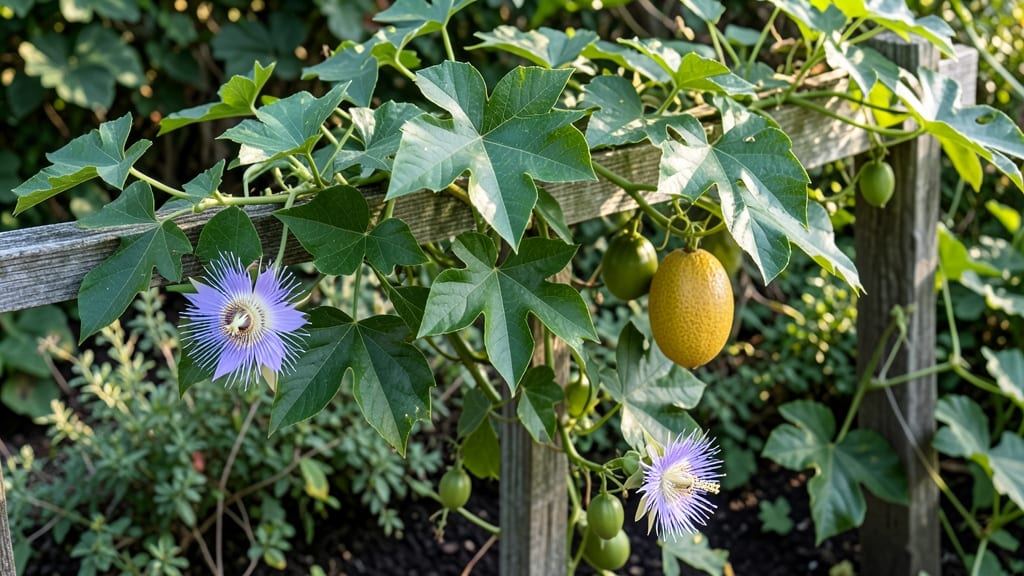
Do passion fruit come from passion flowers? The fruit develops from the flower's fertilized ovary after pollination, while the flower itself serves as the plant's reproductive structure that blooms first.
This might sound confusing at first, but think of it like an apple tree: the blossoms come first, and only after successful pollination does the fruit begin forming inside the ovary. 🌸 Passion flowers are stunning with their intricate petals and vibrant colors, but their true purpose is to attract pollinators—bees, hummingbirds, or even hand-pollination in controlled settings—that transfer pollen to enable fruit development.
Without this step, those beautiful flowers would simply wither away without ever producing the tangy, tropical fruit we know and love.
The transformation from flower to fruit is a fascinating botanical process that takes about 8-12 weeks in ideal conditions. During this time, the ovary swells and matures into the passion fruit we recognize, complete with its signature hard rind.
This is why gardeners often focus on creating optimal conditions for flowering—more flowers mean more potential fruit, provided pollination happens successfully.
💡 In This Article
- Passion Fruit Pollination and Flower-to-Fruit Transformation
- Growing Passion Fruit from Flowers: Step-by-Step Gardening Guide
Passion fruit pollination and flower-to-fruit transformation
The journey from passion flower to passion fruit begins with a complex biological process called pollination. When a flower blooms, it reveals its reproductive organs: the male stamens (which produce pollen) and the female pistil (which contains the ovary).
For passion fruit, this flower is a marvel of nature with its 5-petaled corona and intricate tendrils, designed to attract pollinators like bees and hummingbirds. These visitors transfer pollen from stamen to pistil, triggering fertilization that kickstarts fruit development in the ovary.
Here's where it gets interesting: the ovary is the unsung hero of fruit formation. After successful pollination, the ovary begins swelling and transforming over 8-12 weeks into the passion fruit we recognize. This process requires precise environmental conditions - temperatures between 68-86°F and consistent moisture.
The hard rind develops as the fruit matures, protecting the gel-filled interior that contains the seeds. Unlike many fruits that develop directly from the flower's base, passion fruit grows from the ovary's expansion, which is why it never appears to "hang" directly from the flower itself.
The transformation involves fascinating chemical changes too. As the ovary develops, it produces ethylene gas, a plant hormone that regulates growth and ripening. This gas triggers the fruit's color change from green to the characteristic yellow or purple hue, depending on the variety.
What's remarkable is how this process mirrors other tropical fruits like mangoes and papayas, where the ovary's development is equally critical for fruit formation. The key difference? Passion fruit's ovary remains attached to the vine longer, allowing for that distinctive elongated shape.
Pollination success rates can vary dramatically based on environmental factors. In tropical climates with abundant pollinators, up to 90% of flowers may develop into fruit.
However, in controlled settings or cooler climates, this drops to 30-50%, which is why many commercial growers practice hand-pollination using small brushes to transfer pollen.
This manual process mimics natural pollinators but requires precise timing - pollen must be transferred during the flower's 2-3 day receptive period when the stigma is most receptive.
What most people don't realize is how the plant's energy shifts during this transformation. Early in flowering, the plant focuses resources on producing vibrant blooms to attract pollinators. After successful pollination, those same resources redirect to fruit development - a perfect example of nature's efficiency.
The vine may produce hundreds of flowers but only a fraction will develop into mature fruit, as the plant prioritizes quality over quantity in its reproductive strategy.
This botanical process explains why passion fruit vines often produce more flowers than actual fruit. The plant's survival strategy means it creates excess blooms to increase pollination chances, but only the fertilized ones will develop into the edible fruit we harvest.
Understanding this helps explain why gardeners sometimes see beautiful flowers but few fruits - it's not the plant's fault, but rather the natural selection process at work.
The entire cycle from bloom to harvest offers a masterclass in plant reproduction. From the flower's vibrant display to the ovary's transformation into fruit, each stage reveals nature's intricate design.
For those growing passion fruit, this knowledge becomes practical wisdom - knowing when to expect fruit set, how to support pollinators, and what environmental conditions optimize this remarkable transformation.