
Flowers
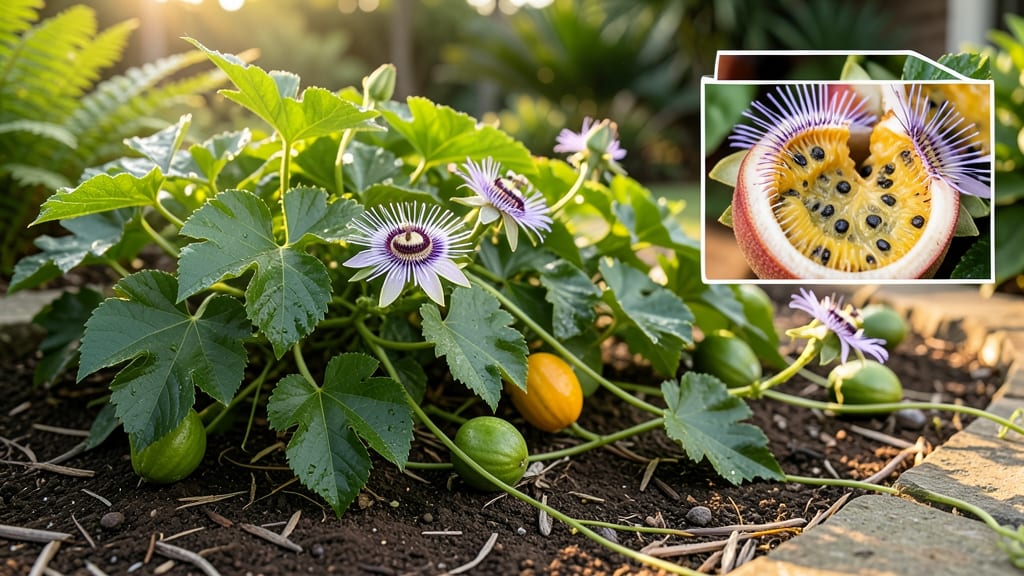
Growing passion flower vine fruit transforms your garden into a fragrant, edible paradise. 🌿 The first time I tasted fresh passion fruit straight off the vine, I realized how easy it is to grow these tropical-looking beauties—even in temperate climates with the right variety.
Their exotic blooms attract hummingbirds, and the fruit tastes like a burst of sunshine in every bite.
You'll need a sturdy trellis or fence (they can climb 15-20 feet in a season), well-draining soil, and full sun for at least 6 hours daily.
Varieties like Passiflora edulis (purple passion fruit) or Passiflora ligularis (sweet granadilla) thrive in zones 7-11, while cold-hardy types like Passiflora incarnata (maypop) handle zones 5-9. The key to fruit production is patience—vines take 1-2 years to mature but reward you with harvests from midsummer to fall.
Prune aggressively in early spring to encourage new growth, and fertilize lightly with compost or balanced 10-10-10 during blooming season. The fruit starts as tiny green buds, then swells into vibrant colors—purple, yellow, or orange—when ripe.
One vine can produce 50+ fruits per season with proper care, and the fragrant blossoms alone make it worth growing. The fruit is versatile: eat fresh, blend into smoothies, or use the seeds in desserts.
For cooler climates, choose hardier varieties and overwinter potted vines indoors. Mulch heavily in fall to protect roots, and watch for pests like spider mites—spray with neem oil if needed. The payoff? A vine that gives you both beauty and harvest, all while supporting pollinators. Ready to grow yours?
📚 In This Guide
- What you need
- Instructions
- Tips and common mistakes
- Wrapping up and next steps
What you need
- ● Passion flower vine seeds or cuttings: Choose from varieties like Passiflora edulis (purple passionfruit) or Passiflora incarnata (maypop). Start with 3–5 seeds or 1–2 healthy cuttings (4–6 inches long) for a small garden.
- ● Well-draining potting mix: A blend of 60% peat moss or coconut coir, 30% perlite or vermiculite, and 10% compost (sterilized to prevent disease). 5–10 gallons per plant.
- ● Containers or garden space: Containers: 5–7 gallon pots with drainage holes (terracotta or fabric grow bags work best).
- ● Garden beds: Full sun (6+ hours/day) and loamy, slightly acidic soil (pH 6.0–7.0). Amend clay soil with compost or sand.
- ● Support structure: A 6–10 foot trellis, arbor, or fence (passion vines are vigorous climbers!). Use galvanized wire or bamboo stakes for DIY options.
- ● Hand trowel or transplanting spade (for planting seeds/cuttings).
- ● Pruning shears (sterilized with rubbing alcohol).
- ● Garden gloves (to protect from thorns and sap).
- ● Watering can or hose with adjustable nozzle (drip irrigation is ideal for containers).
- ○ pH testing kit (optional but helpful for soil adjustments).
- ● Organic fertilizer (e.g., 5-5-5 balanced fertilizer or compost tea).
- ● USDA Hardiness Zones: 8–11 (tender perennials; may die back in frost). Start indoors in Zones 7–8 or grow as an annual.
- ● Temperature: Ideal range: 70–85°F (seeds germinate best at 75–85°F).
- ● Humidity: Thrives in 50–70% humidity; mist young plants in dry climates.
- ● Patience! Passion vines take 12–18 months to bear fruit from seed (faster with cuttings).
- ● Mulch (straw or wood chips) to retain moisture and suppress weeds.
- ● Shade cloth (30–50%) for seedlings or hot climates.
- ● Pollinator-friendly plants (e.g., bees balm or lavender) to boost fruit set.
- ● Harvesting tools (small knife or pruners for fruit picking).
Step-by-Step instructions for cultivating passion flower vines
Here's how to transform fragrant blooms into edible harvests—with minimal fuss and maximum reward.
🌱 Step 1: Select the Right Variety and Planting Site
Passion vines thrive in USDA Zones 6-11, but choose a variety suited to your climate. For edible fruit, Passiflora edulis (purple passionflower) or Passiflora ligularis (sweet granadilla) are top picks. Plant in full sun to partial shade—at least 6 hours of sunlight daily—but protect from harsh afternoon heat in hotter zones.
Passion vines need strong support, so install a 10-12 foot trellis, arbor, or sturdy fence before planting. The vines grow aggressively, so choose a spot where they can sprawl without crowding other plants. Amend the soil with compost to improve drainage—passion vines hate soggy roots. Test soil pH; aim for 6.0-7.0—too acidic, and the plant struggles to absorb nutrients.
☀️ Step 2: Plant and Establish the Vine
Plant bare-root vines in early spring or container-grown plants after the last frost. Dig a hole twice as wide as the root ball but no deeper. Position the vine so the crown sits just above soil level—burying it too deep invites rot. Gently spread roots and backfill with soil, pressing lightly to remove air pockets.
Water deeply right after planting to settle the soil, then maintain 1-2 inches of water weekly during the first growing season. Mulch with 2-3 inches of organic mulch (like wood chips) to retain moisture and suppress weeds. Watch for new growth within 4-6 weeks—this signals the vine has rooted successfully. If leaves yellow, you’re overwatering; if they wilt, the soil is too dry.
💧 Step 3: Fertilize and Encourage Floral Growth
Passion vines are light feeders, but a balanced 10-10-10 fertilizer applied in early spring and again after flowering boosts fruit production. Scatter ½ cup per vine around the base, then water deeply to activate nutrients. Avoid high-nitrogen fertilizers—they promote leafy growth at the expense of blooms and fruit.
Prune lightly in late winter to shape the vine and remove dead or crossing branches. Pinch back new growth to encourage bushier growth—this creates more nodes where flowers (and later, fruit) will develop. You’ll know you’re on track when you see vibrant, trumpet-shaped blooms by mid-summer. Hand-pollinate flowers with a soft brush to ensure fruit set, especially in cooler climates where bees are less active.
⏰ Step 4: Harvest and Maintain for Next Season
Fruit ripens 6-12 months after flowering, depending on the variety. Purple passionfruit turns deep purple when ripe, while sweet granadilla develops a yellowish hue. Gently twist the fruit from the vine—it should detach easily without resistance. Store harvested fruit in a cool, dry place for up to a week, or refrigerate for longer shelf life.
Before the first frost, cut back the vine to half its height and mulch heavily to protect roots. In colder zones, dig up container-grown vines and overwinter them indoors near a sunny window. With proper care, a single vine can produce dozens of fruits per season, making it a rewarding addition to any garden.
Tips & tricks for cultivating passion flower vines
Here's what nobody tells you about growing these tropical beauties—and how to avoid the most common pitfalls.
Sunlight Strategy: The 6 hours of sunlight mentioned in Step 1 is a minimum, but passion vines actually thrive with 8-10 hours daily, especially in cooler climates. If your location gets intense afternoon sun, provide afternoon shade during summer months to prevent leaf scorch. I learned this the hard way after losing several vines to sunburn in my Zone 7 garden.
Support System: That 10-12 foot trellis isn't just decorative—it's critical for vine health. Install supports BEFORE planting, as vines can become top-heavy once established. For container growing, use sturdy wire cages or tomato cages that can handle 20+ pounds of fruit. The key is vertical growth; horizontal sprawl leads to fewer flowers and fruit.
Soil Secrets: While compost improves drainage, passion vines actually prefer slightly sandy soil with excellent drainage. If your native soil is heavy clay, mix in 30% perlite or coarse sand by volume when amending. I've seen vines drown in well-meaning gardeners' compost-heavy soil—root rot is silent but deadly. Test that soil pH religiously; anything below 6.0 will stunt growth.
Fertilizer Timing: The 10-10-10 fertilizer recommendation is spot-on, but here's the catch: apply it ONLY when you see new growth in spring and again immediately after flowers appear. Too much nitrogen later in the season will give you lush leaves but no fruit. I've had gardeners swear their vines weren't producing because they fertilized at the wrong time—always follow the "bloom to feed" rule.
Pro Tips for Passion Flower Vine Fruit
- Here's what nobody tells you about growing these tropical beauties—and how to avoid the most common pitfalls.
- Sunlight Strategy: The 6 hours of sunlight mentioned in Step 1 is a minimum, but passion vines actually thrive with 8-10 hours daily, especially in cooler climates.
- Support System: That 10-12 foot trellis isn't just decorative—it's critical for vine health.
Frequently asked questions
Got questions about growing and harvesting passion flower vine fruit?
You’re not alone! Here are answers to the most common queries to help you cultivate this fragrant, edible vine with confidence.
How long does it take for passion flower vines to bear fruit?
Passion flower vines typically take 1-2 years to mature enough to produce fruit, depending on growing conditions. With proper care—like full sun, well-draining soil, and consistent watering—you may see fruits (passion fruits) as early as the second year. Patience pays off, as vines reward you with fragrant blooms and sweet harvests!
Can I eat passion flower vine fruit right off the vine?
Yes! Passion fruits are edible and delicious, but always wash them thoroughly before eating. The vibrant pulp inside is packed with tangy-sweet flavor, perfect for juices, desserts, or snacking fresh. Just avoid the hard seeds—they’re safe but not palatable. Pro tip: Ripe fruits yield easily when gently twisted from the vine!
Do passion flower vines survive winter? How do I protect them?
Most passion flower vines (like Passiflora edulis) are tender perennials and won’t survive freezing temps below 20°F (-6°C). In colder climates, prune back vines in fall, mulch heavily, or grow them in containers to move indoors. Alternatively, treat them as annuals and replant each spring for a fresh start!
What pests or diseases should I watch for with passion flower vines?
Common issues include:
- Aphids or spider mites: Spray with neem oil or insecticidal soap.
- Fungal diseases (like powdery mildew): Ensure good airflow and avoid overhead watering.
- Root rot: Use well-draining soil and pots with drainage holes.
Regularly inspect leaves and stems—early action keeps your vine thriving!
Can I grow passion flower vines in containers? What’s the best setup?
Passion vines thrive in 5-gallon+ containers with a fast-draining potting mix (add perlite or sand). Choose a pot with trellis or stakes for support, as vines can grow 10–30 feet long. Place in full sun (6+ hours daily) and water when the top inch of soil feels dry. Dwarf varieties (like ‘Golden Passionfruit’) are ideal for small spaces!
Wrapping up and next steps
Growing passion flower vine fruit is a rewarding journey that transforms your garden into a fragrant, edible paradise—all in one season! 🌿 From nurturing fragrant blooms to harvesting vibrant fruits, every step is packed with beauty and flavor.
Whether you're a seasoned gardener or a curious beginner, this guide gives you the tools to succeed.
Ready to dive in? Start by selecting the perfect spot, gathering your supplies, and planting with confidence. Your first passion fruit harvest could be just months away! Happy growing—your taste buds (and garden) will thank you. 🌱✨