
Trees
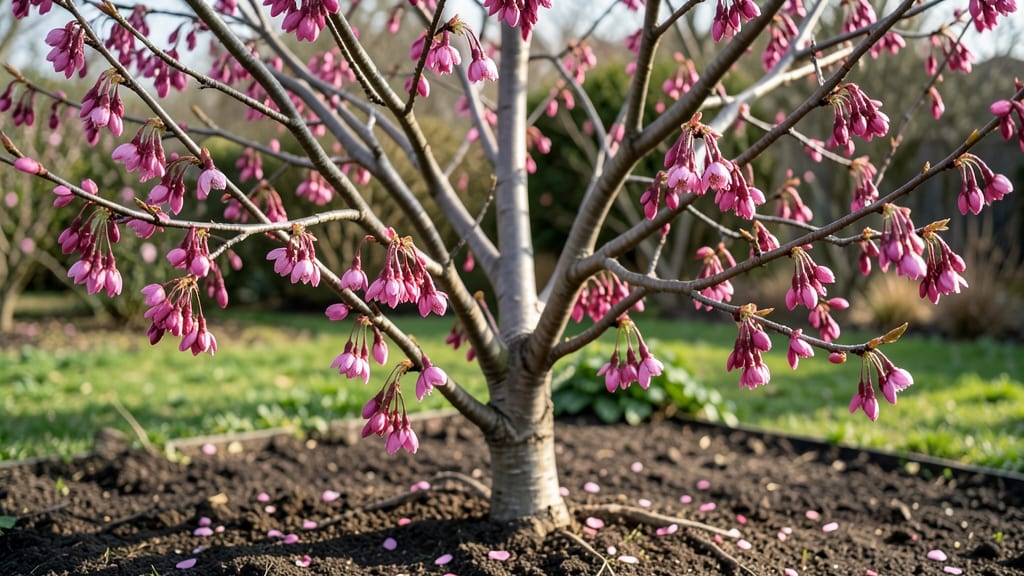
Flowering plum trees do produce fruit, but their ornamental varieties typically bear small, tart plums that are inedible—unlike culinary plum trees bred for sweet, flavorful fruit like the 'Santa Rosa' variety.
Most flowering plum trees you see in landscapes are grown for their stunning spring blossoms rather than fruit production. 🌸 The plums they do produce are often tiny, bitter, or overly tart due to selective breeding focused on aesthetics.
However, if you're after edible fruit, look for Japanese plum cultivars like 'Santa Rosa' or 'Methley,' which deliver the juicy, sweet plums used in jams, pies, and fresh eating. These varieties require slightly different care—like full sun and well-draining soil—to thrive and produce consistently flavorful harvests.
What sets edible plum trees apart is their breeding history. Ornamental types prioritize flower color and fragrance, while fruit-bearing varieties are cultivated for size, sugar content, and texture. Even among edible types, some plums remain firm and mealy unless properly ripened on the tree.
I always recommend testing a few varieties in your garden to find the perfect balance of sweetness and yield for your climate.
💡 In This Article
- Why Most Flowering Plums Aren’t Edible
- Best Edible Plum Tree Varieties for Gardens
Why most flowering plums aren’t edible
Ornamental flowering plum trees (Prunus cerasifera and related species) undergo intense selective breeding to prioritize visual appeal over fruit quality.
Their small, tart plums—often less than 1 inch in diameter—develop high levels of tannins and acids, which create that signature bitter, astringent flavor. 🌸 The breeding process focuses on vibrant blossoms, disease resistance, and compact growth rather than edible fruit traits like sugar content or flesh firmness.
These trees typically produce fruit that’s 10-20% smaller than culinary varieties and lacks the balanced sweet-tart profile that makes plums palatable.
The key difference lies in their genetic makeup. Ornamental plums often contain higher concentrations of cyanogenic glycosides—natural compounds that can release cyanide when damaged (though usually in non-lethal amounts). While not toxic in small quantities, these compounds contribute to the harsh, unappealing taste.
In contrast, edible plum cultivars like 'Santa Rosa' have been bred to reduce these compounds while increasing soluble sugars (up to 12-15% sugar content by weight) and improving texture. The flesh of ornamental plums also tends to be thinner and more fibrous, making them unappealing even when cooked.
Another critical factor is fruit maturation.
Ornamental plums often ripen unevenly, with some areas remaining green or mealy inside—a direct result of being bred for show rather than consumption. 🍑 The skin may develop a waxy coating that resists softening, while the flesh stays dense and lacks the juicy burst of properly ripened culinary plums.
Even when fully colored, these fruits frequently contain large pits relative to their size, reducing usable flesh by 30-40% compared to edible varieties. This makes them impractical for anything beyond decorative purposes.
What’s fascinating is how environmental conditions amplify these differences.
Ornamental plums grown in cooler climates (USDA zones 5-7) often produce even more bitter fruit due to slower metabolic processes, while their edible counterparts in the same zone develop sweeter flavors when given proper sunlight (6-8 hours daily) and well-draining soil.
The pH of the soil also plays a role—acidic soils (below 6.0 pH) can increase tartness in ornamental varieties, while slightly alkaline conditions (6.5-7.0 pH) suit fruit-bearing trees better.
Here’s what happens when you try to eat ornamental plum fruit: The initial sweetness (if any) is quickly overwhelmed by a wave of tartness, followed by that dry, gritty mouthfeel from the high fiber content. 💫 The lack of proper ripening means enzymes that soften fruit flesh (like pectinase) never activate fully.
In contrast, edible plums have been bred to develop these enzymes consistently, resulting in fruit that yields to gentle pressure and releases juice rather than resisting your bite. This is why even experienced foragers often avoid ornamental plum trees—their fruit simply isn’t worth the effort.
For those curious about the science, the difference boils down to secondary metabolite accumulation. Ornamental plums allocate more energy to producing pigments (anthocyanins for red/purple fruit) and defensive compounds (tannins) rather than storage carbohydrates (starches that convert to sugars).
This metabolic trade-off explains why their fruit remains perpetually underripe-tasting, no matter how long it hangs on the tree. The lesson? If you want plums you can actually eat, you’re better off planting a dedicated fruit tree—your taste buds will thank you.