
Aphids
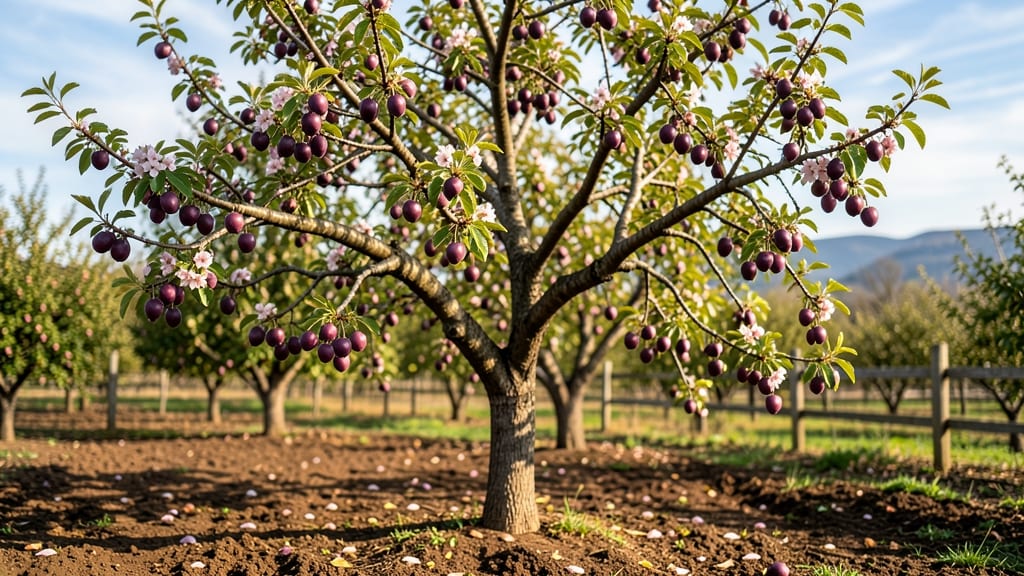
Growing European plums in cold climates means you can harvest sweet, juicy fruit even when neighbors give up. 🌿 The secret lies in choosing the right varieties—like 'Stanley' or 'Bluebyrd'—that thrive in zones 4-7, plus a few tricks to push your harvest later into the season.
Start with well-draining soil rich in organic matter, and plant in full sun. European plums need cross-pollination, so pair them with another variety. Prune in late winter to open the canopy, and water deeply during dry spells—especially when fruit sets in early summer.
With proper care, you'll enjoy plums from August through October, and sometimes even into November with a late variety. The fruit ripens unevenly, so check trees every few days. Store unripe plums at room temperature to finish ripening indoors.
Cold climates can challenge fruit set, but a late frost blanket or row covers in early spring saves blossoms. Monitor for plum curculio and brown rot—spray preventive fungicide at bloom time. Patience pays off with trees that produce for decades.
📚 In This Guide
- What you need
- Instructions
- Tips and common mistakes
- Wrapping up and next steps
What you need
- ● European Plum Trees: 2–4 self-pollinating varieties (e.g., Stanley, Valiant, or Cacanska Lepotica) for optimal fruit production.
- ● Age: 1–2 years old (bare-root or container-grown).
- ● Soil: Well-draining, slightly acidic to neutral soil (pH 6.0–7.0).
- ● Organic matter: 2–3 inches of compost or aged manure per planting hole.
- ● Fertilizer: Balanced 10-10-10 or fruit-specific fertilizer (e.g., Espoma Fruit Tree Fertilizer).
- ● Slow-release granules (1–2 lbs per tree annually).
- ● Shovel or trowel (for planting).
- ● Pruning shears (sterilized with rubbing alcohol).
- ○ Grafting tools (optional, for propagation).
- ● Mulch (straw or wood chips, 2–3 inches thick).
- ● Drip irrigation system or hose (for consistent watering).
- ● Pest control: Neem oil spray or insecticidal soap (aphid-specific!).
- ● Frost cloth (for early spring/late fall protection).
- ● Hardiness zones: 4–8 (choose cold-hardy varieties for zones 4–5!).
- ● Sunlight: 6–8 hours daily (full sun is a must!).
- ● Space: 15–20 feet apart (for mature tree spread).
- ○ Windbreak: Optional but helpful for young trees (e.g., a fence or hedge).
Step-by-Step instructions for cultivating European plum trees
Growing European plums in cold climates takes patience and precision—but the rewards are worth it.
🌱 Step 1: Select and Prepare the Planting Site
European plums thrive where winters are cold but summers provide full sun for at least 6-8 hours daily. Choose a spot with well-draining soil—plums hate soggy roots—and avoid low areas where frost lingers. I always test soil pH first; plums prefer 6.0-7.0. If your soil is heavy clay, amend it with 2-3 inches of compost mixed into the top 12 inches of soil.
Dig a hole twice as wide as the root ball but only as deep—planting too deep suffocates the graft union, which is critical for cold hardiness. Loosen the sides of the hole to encourage root spread. Here's the thing—European plums need space. Space standard trees 20-25 feet apart and dwarf varieties 12-15 feet apart to prevent disease spread and ensure proper airflow.
🪴 Step 2: Plant at the Right Time and Technique
Plant bare-root trees in early spring while dormant, or container-grown trees in late fall before the first hard frost. Handle bare-root trees carefully—never let roots dry out. Soak them in lukewarm water for 1-2 hours before planting to revive dormant roots. For container-grown trees, remove the pot and gently tease apart any circling roots.
Position the tree so the graft union sits 2-3 inches above soil level—this protects it from winter soil heave. Backfill with native soil mixed with 1 part compost, tamping gently to remove air pockets. Water deeply to settle the soil, then create a 4-inch-high berm around the perimeter to direct water to the roots. Mulch with 3-4 inches of wood chips, keeping it 6 inches away from the trunk to prevent rot.
☀️ Step 3: Establish Proper Watering and Fertilizing Routines
Young trees need deep, infrequent watering—1-1.5 inches per week during the first growing season. Water at the drip line, not the trunk, to encourage deep root growth. You'll know it's working when the soil 12 inches down stays moist but not waterlogged. Overwatering in cold climates stresses trees and invites fungal diseases like silver leaf.
Fertilize in early spring with a balanced 10-10-10 formula, applying ½ pound per inch of trunk diameter. Avoid high-nitrogen fertilizers—they promote leafy growth at the expense of fruit production. In late summer, switch to a low-nitrogen, high-phosphorus fertilizer to strengthen roots before winter. Here's what I do: spread fertilizer in a circle 12 inches from the trunk, then water deeply to activate it.
✂️ Step 4: Prune for Structure and Cold Hardiness
Prune European plums annually in late winter while still dormant, removing dead, diseased, or crossing branches first. Open the center of the tree to improve airflow—plums are prone to fungal issues in humid climates. Cut back suckers (shoots growing from the base) immediately, as they drain energy from the main tree. I always sterilize pruners with rubbing alcohol between cuts to prevent spreading bacteria.
Thin fruit in late spring when plums are 1 inch in diameter. Leave 6-8 inches between fruits on each branch—this ensures larger, higher-quality plums and reduces disease pressure. Watch for silver leaf disease, which causes leaves to turn silvery and curl. If you spot it, prune infected branches 6 inches below the damage and burn or dispose of them immediately.
⏰ Step 5: Protect Trees During Winter
Young European plums need winter protection in cold climates. Wrap the trunk with tree guard or burlap in late fall to prevent rodent damage and sun scald. Pile 12-18 inches of mulch around the base, but avoid touching the trunk. For extreme cold snaps (below -20°F), drape a lightweight frost cloth over the canopy—this traps heat without suffocating the tree.
Monitor for late winter frost damage in spring. If buds swell but then blacken, it's a sign of freeze injury. Prune back to healthy, dormant buds and expect a lighter fruit set that year. European plums are self-pollinating, but planting two compatible varieties increases yield. Varieties like 'Stanley' and 'Valiant' pair well and extend the harvest window.
Tips & tricks for perfect European plum fruit cultivation
These battle-tested strategies will help you grow thriving European plum trees even in challenging cold climates.
Soil Preparation Secret: When amending heavy clay soil with compost in Step 1, mix in a handful of perlite or coarse sand along with the 2-3 inches of compost. This improves drainage without altering the soil's natural structure, which European plums appreciate. I've found that adding 1 part perlite to 3 parts compost creates the perfect balance for cold-climate root development.
Root Revival Technique: In Step 2, when soaking bare-root trees for 1-2 hours, add 1 tablespoon of seaweed extract to the lukewarm water. This gives the roots a gentle growth boost while they revive. The seaweed extract also helps prevent transplant shock, which is especially important for trees planted in early spring when temperatures can fluctuate dramatically.
Watering Wisdom: For the 1-1.5 inches of weekly watering in Step 3, I recommend using a soaker hose placed at the drip line. This delivers water directly to the root zone without wetting the foliage, reducing the risk of fungal diseases like silver leaf. Early morning watering (before 10 AM) gives leaves time to dry completely, further preventing moisture-related issues.
Winter Protection Upgrade: When protecting against temperatures below -20°F in Step 5, consider adding a layer of straw mulch (4-6 inches) over the existing wood chips. Straw provides additional insulation while breaking down slowly to enrich the soil. I also wrap the frost cloth loosely around the trunk to create an air pocket, which provides better temperature regulation than wrapping it directly against the tree.
Pro Tips for European Plum Fruit
- These battle-tested strategies will help you grow thriving European plum trees even in challenging cold climates.
- Soil Preparation Secret: When amending heavy clay soil with compost in Step 1, mix in a handful of perlite or coarse sand along with the 2-3 inches of compost.
- Root Revival Technique: In Step 2, when soaking bare-root trees for 1-2 hours, add 1 tablespoon of seaweed extract to the lukewarm water.
Frequently asked questions
Got questions about growing European plums in cold climates? You’re not alone! Here are answers to the most common queries to help you cultivate a thriving orchard—even in chilly regions.
How cold can European plums tolerate?
European plums (Prunus domestica) thrive in USDA Hardiness Zones 4–8. Most varieties handle winter temps down to -20°F (-29°C), but young trees or late-season blooms may need protection from sudden freezes. Choose cold-hardy cultivars like Stanley or Montgomery for extra resilience.
When is the best time to plant European plum trees?
Plant in early spring or fall (4–6 weeks before frost) for best root establishment. Avoid extreme heat or cold—ideal soil temps are 40–70°F (4–21°C). Bare-root trees can go in late winter if soil isn’t frozen, but container-grown trees prefer milder conditions.
Why aren’t my European plums ripening evenly?
Uneven ripening often stems from inconsistent sunlight, water stress, or poor pollination. Ensure trees get 6+ hours of sun daily and mulch to retain moisture. If blooms didn’t set fruit, hand-pollinate with a brush or plant a compatible variety nearby (e.g., Stanley + Methley).
How do I prevent aphids on European plum trees?
Aphids love plums! Start with preventive care: Prune for airflow, spray trees with neem oil (early season), and introduce ladybugs or lacewings as natural predators. For outbreaks, use insecticidal soap (test on a small area first) or horticultural oil. Avoid over-fertilizing with nitrogen—it attracts pests!
Can I grow European plums in containers?
Yes! Dwarf varieties like Wangenheim or Prescott thrive in 15–20 gallon pots with well-draining soil. Place containers in full sun, water deeply when the top 2 inches of soil dry, and fertilize monthly during growing season. Just know: Container trees may produce smaller yields than in-ground plants.
Wrapping up and next steps
Growing European plums in cold climates is totally doable with the right know-how—and the rewards are sweet! 🌱 From choosing hardy varieties to mastering pruning and pest control, this guide gave you the tools to cultivate juicy, flavorful fruit year-round.
Whether you’re a seasoned gardener or just starting, your efforts will pay off with a bountiful harvest.
Now that you’re equipped, why not take the next step? Plant your first tree this season, experiment with companion plants, or even share your progress with fellow gardeners. Happy growing—your taste buds (and neighbors!) will thank you! 🍑✨