
Featured
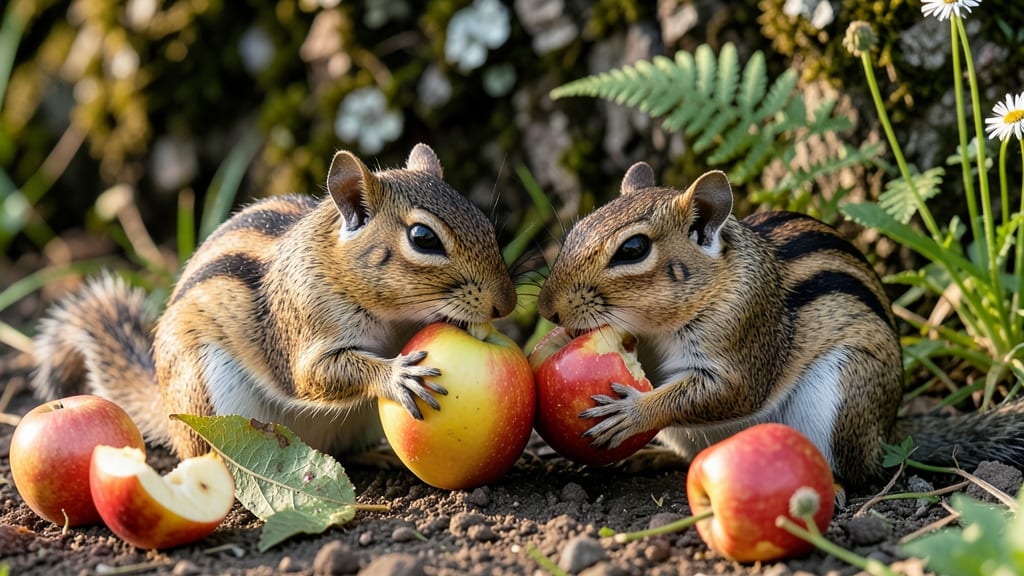
Chipmunks do eat fruit, favoring berries, apples, and grapes while foraging, though they primarily rely on seeds, nuts, and insects for protein. Their omnivorous diet shifts seasonally based on food availability.
Chipmunks aren't strict vegetarians, but fruit plays a smaller role in their diet than many assume. 🌰 The natural sugars in berries and grapes give them quick energy during active foraging, while the fiber helps digestion—though they'd rather snack on protein-rich insects or fat-packed seeds when available.
What's fascinating is how their diet changes with seasons: in summer, they'll raid fruit patches, but by winter, they're mostly munching on stored nuts and seeds to survive colder months.
If you're wondering why they bother with fruit at all, it's all about opportunity. Chipmunks are opportunistic eaters—they'll take advantage of easy, high-energy foods when they come across them, even if it's not their first choice. This flexibility helps them thrive in diverse environments, from forests to suburban backyards.
💡 In This Article
- Chipmunk Diet Science: Why Fruit Appears in Their Menu
- Protecting Your Garden: How to Discourage Chipmunks from Fruit
Chipmunk diet science: why fruit appears in their menu
Chipmunks' occasional fruit consumption is actually a smart nutritional strategy. The natural sugars in fruits like blackberries (10-15% sugar content) and grapes (15-20% sugar) provide quick energy during their active foraging periods, especially in late summer when they're preparing for winter.
This is particularly important because chipmunks have high metabolic rates - they can burn through calories at a rate of about 10-15% of their body weight per day during peak activity seasons. 🔥
The key lies in their omnivorous digestive system, which has evolved to handle both plant and animal matter efficiently.
Their cecum - a specialized pouch in their digestive tract - can process fibrous plant materials while their short digestive tract (3-4 feet long) allows rapid processing of high-sugar foods.
This adaptation explains why they'll readily consume fruit when available, even though they prefer protein-rich insects (which make up 30-50% of their diet in ideal conditions) and fat-dense seeds.
Seasonal availability plays a crucial role in their fruit consumption patterns. In late summer and early fall, when berries and grapes are abundant, chipmunks may consume fruit as much as 20-30% of their diet, using these high-energy foods to build fat reserves for hibernation.
However, by winter, their diet shifts dramatically to 90% seeds and nuts, which provide the sustained energy needed during dormancy. This seasonal flexibility is what makes chipmunks such successful survivors in temperate climates.
What's particularly interesting is how chipmunks prioritize food based on energy density. While fruits provide quick sugar energy, seeds offer both fats and proteins in a more stable package. A single 1-gram acorn contains about 5-6 calories of fat, while 1 gram of blackberries provides 3-4 calories mostly from sugars.
This explains why chipmunks will often cache seeds for later while consuming fruit immediately when they find it. 🌟
Their fruit preferences also reflect ecological patterns. Chipmunks tend to favor fruits that are:
- Soft and easy to handle: Berries with thin skins and grapes that can be bitten easily
- High in natural sugars: Particularly those with 15%+ sugar content like cherries and plums
- Seasonally abundant: Fruits that ripen during their active foraging periods
Interestingly, chipmunks have been observed to actually "test" fruits before consuming them. They'll often take a small bite to assess sugar content and texture, then either eat more or discard it.
This selective behavior helps them avoid fruits that might be underripe or spoiled, demonstrating their sophisticated understanding of food quality. This careful approach to fruit consumption reveals how chipmunks balance immediate energy needs with long-term nutritional benefits. ✨