
Companion Plants
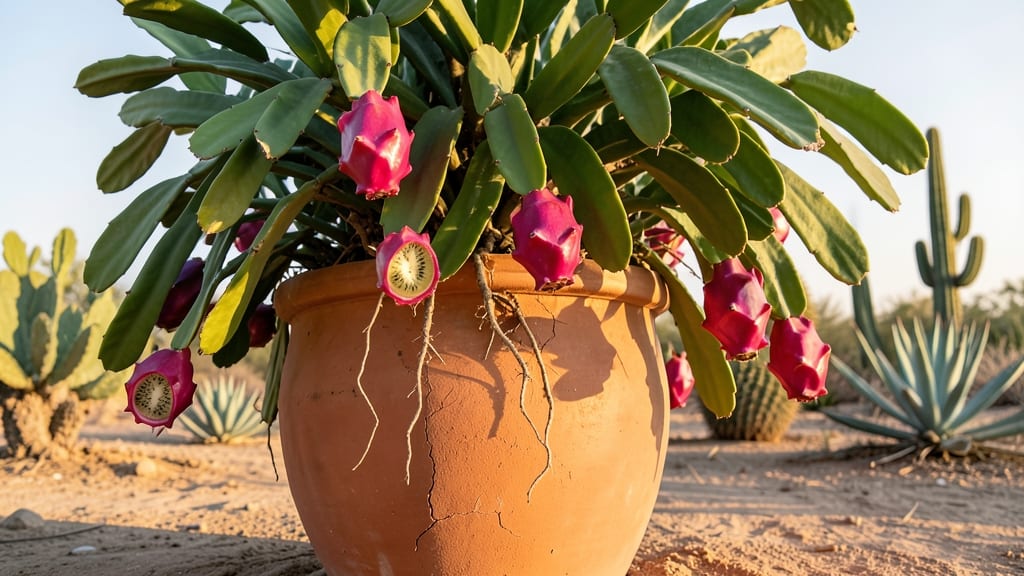
Transforming your arid landscape into a fruitful oasis is easier than you think. These 10 desert fruit plants not only survive extreme heat and drought but thrive together, creating a low-maintenance edible garden that rewards patience with delicious harvests.
Pomegranate Trees for Hot Climates
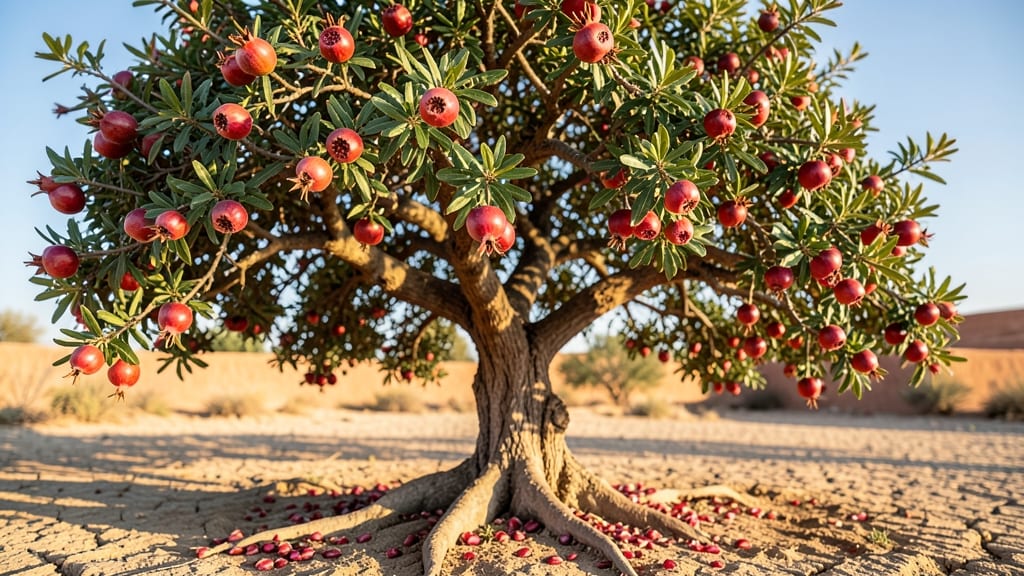
Looking for a desert fruit plant that thrives on neglect while rewarding you with vibrant blooms and sweet harvests? The pomegranate tree is your perfect match—its deep roots make it one of the most drought-tolerant fruit trees in zones 7-11.
Plant in full sun with well-draining soil, and once established, you’ll rarely need to water. The striking red flowers in spring attract bees and butterflies, while the fruit—bursting with seeds—ripen in fall. Varieties like ‘Wonderful’ or ‘Eversweet’ produce juicy arils perfect for fresh eating or juicing. Just avoid overwatering, as soggy roots invite root rot.
Ideal for beginners or busy gardeners, pomegranates add beauty and bounty with almost no fuss. 🌟
Date Palms for Home Gardens
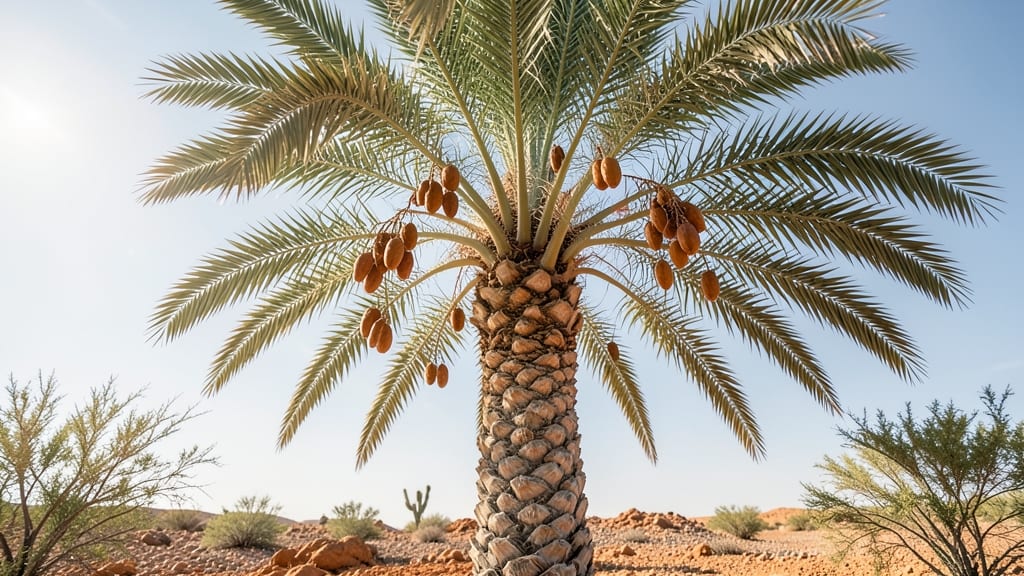
Want a shade-providing powerhouse that also feeds you? Date palms turn desert landscapes into productive oases with minimal effort. Unlike fussy fruit trees, these palms thrive in poor, rocky soil and need just occasional watering once established—ideal for zones 8-11 where summers scorch other plants.
Start with cold-hardy varieties like Medjool or Deglet Noor for sweet, edible dates. Plant in full sun for maximum fruit production, but their towering fronds create 30+ feet of cooling shade—perfect for patios or playgrounds. The key to success? Deep watering every 2-3 weeks during the first year, then tap roots handle the rest.
Home gardeners with limited water or rocky soil will love how these palms multitask—feeding your family while beautifying your yard. Just be patient: full date production takes 3-5 years, but the payoff is worth it. 🌟
Fig Trees in Containers
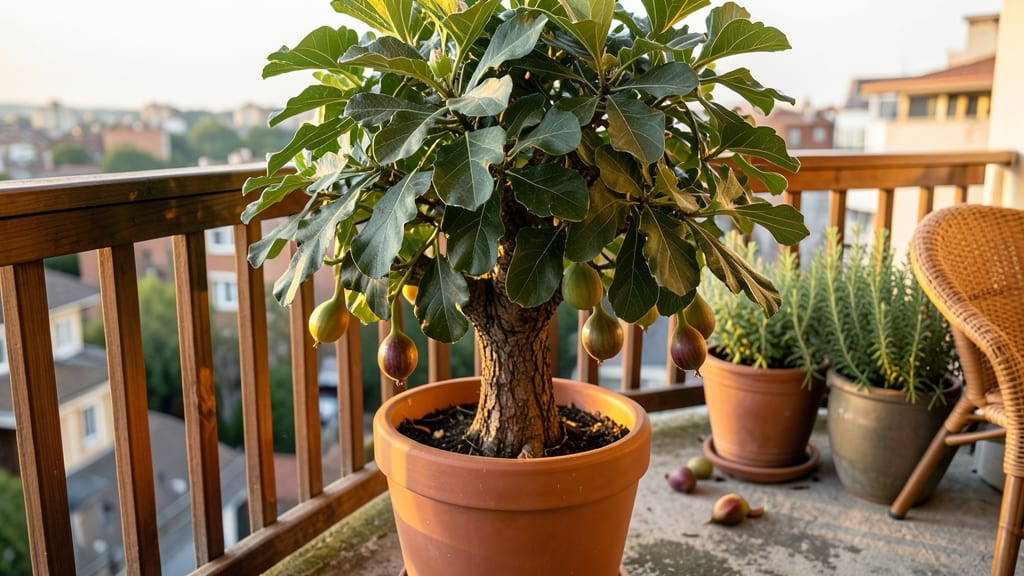
Skip the orchard space—fig trees in containers bring sweet rewards to balconies, patios, and small yards without the commitment of permanent planting. Varieties like 'Little Miss Figgy' or 'Brown Turkey' stay compact (3-5 feet tall) while producing juicy, sun-ripened figs that taste even better than grocery store varieties.
Once rooted, these trees handle brief droughts like pros, though they’ll thank you for occasional deep watering during their first year. Use a well-draining potting mix with perlite or sand, and place the container in full sun (6+ hours daily). Prune lightly after harvest to encourage bushier growth, and fertilize sparingly—figs prefer lean soil. With minimal fuss, you’ll enjoy homegrown fruit in as little as 6 months.
Urban gardeners and renters rejoice: figs in containers are the ultimate low-maintenance fruit for small spaces. Just remember to bring pots indoors (or protect them from frost) when temperatures dip below 20°F. 🌱
Persimmon Trees for Arid Regions
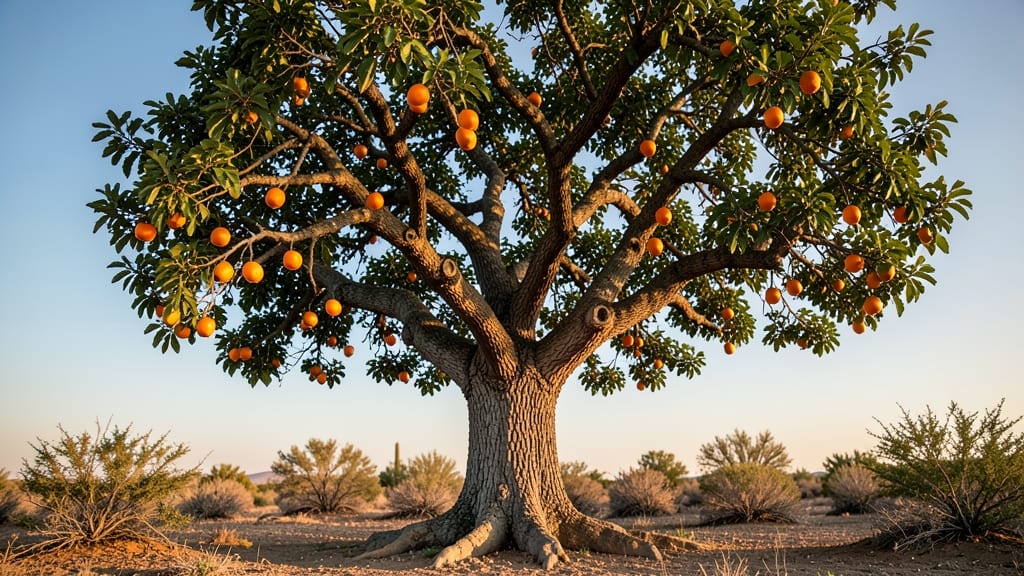
Looking for a fruit tree that thrives in the desert Southwest without constant watering? American persimmons (Diospyros virginiana) are the answer—native to arid regions and built to handle drought once established. These trees produce sweet, orange fruit that’s perfect for baking or eating fresh, and they’re naturally resistant to pests that plague other fruit trees.
Persimmons flourish in zones 7-10 with full sun exposure and well-draining soil, making them ideal for rocky or sandy desert landscapes. They require minimal irrigation after the first year and even improve soil health over time. Plus, their bright fall foliage and wildlife-friendly nature make them a standout in any garden.
Perfect for beginner gardeners or those seeking low-maintenance fruit trees, persimmons offer both beauty and bounty with almost no fuss. 🌻
Jujube Trees for Low-Water Gardens
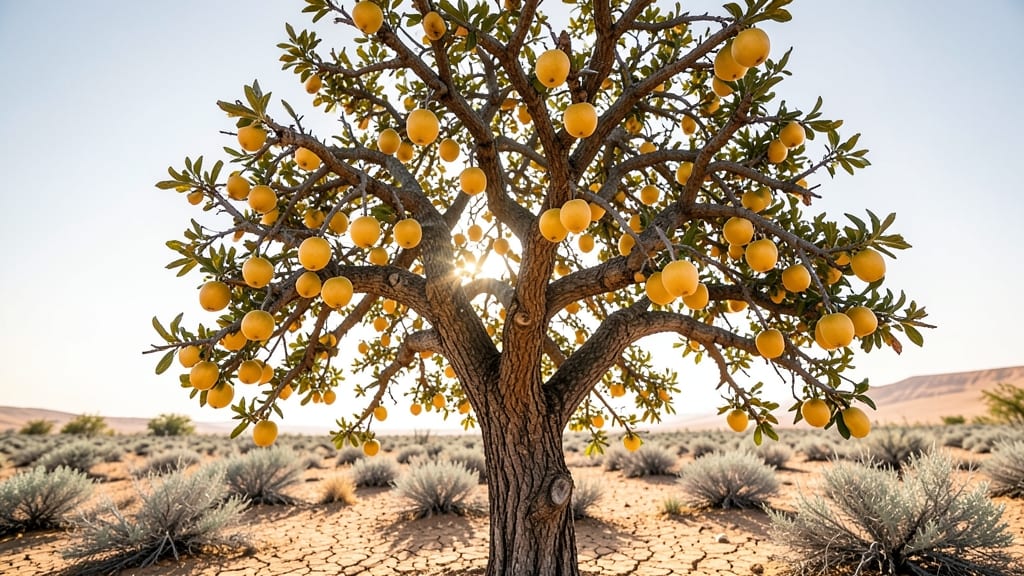
If you're dreaming of a fruit tree that thrives on neglect and delivers sweet rewards without pesticides, jujube trees are your perfect match. Unlike other desert fruit plants, these hardy trees produce apple-like jujubes that ripen to a golden hue—packed with vitamin C and naturally pest-resistant.
Jujubes flourish in alkaline soils and zones 5-9, making them ideal for gardeners in hot, dry climates. They require minimal water once established and can handle 100°F+ temperatures with ease. Simply plant bare-root saplings in well-draining soil, space them 15-20 feet apart, and let them grow—no fuss, no chemicals.
Perfect for beginners or urban gardeners with limited space, jujube trees offer a low-maintenance way to enjoy homegrown fruit. 🌟
Prickly Pear Cactus Fruits
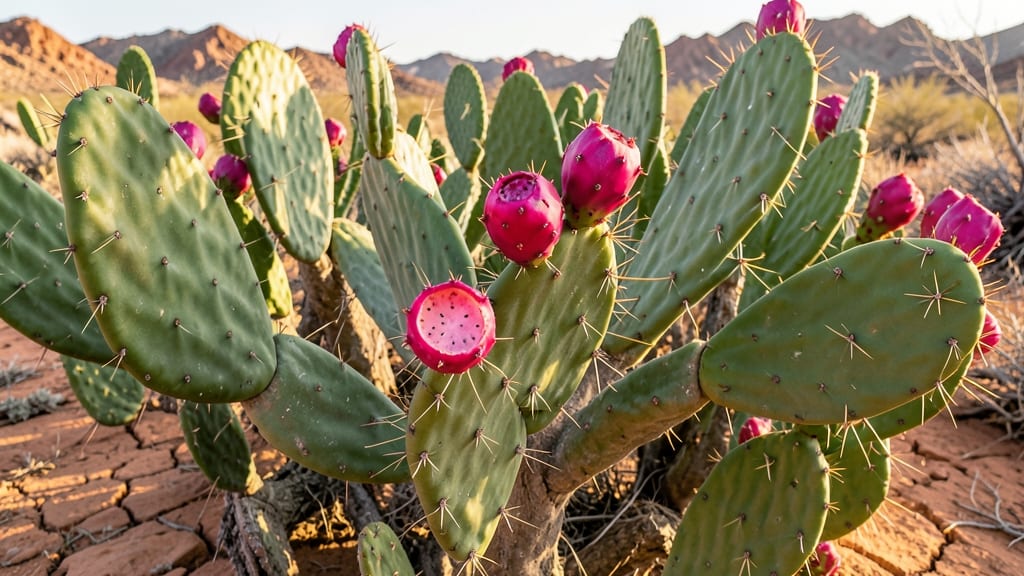
Skip the watering can entirely with prickly pear cactus, a dual-purpose desert plant that delivers both edible fruit and striking visuals. This hardy succulent thrives in zones 8-11 with zero irrigation once established, making it the ultimate choice for water-wise landscapes.
The magenta-colored fruit ripens in late summer and can be eaten fresh, made into jams, or fermented into a sweet drink. Even the pads (nopales) are edible—just remove the spines first! Plant them in full sun with well-draining soil, and they’ll reward you with vibrant color and low-maintenance productivity for decades.
Perfect for urban gardeners, xeriscaping projects, or anyone craving a zero-effort edible garden, prickly pear turns your desert yard into a living fruit bowl. 🌻
Mulberry Trees for Fast Growth
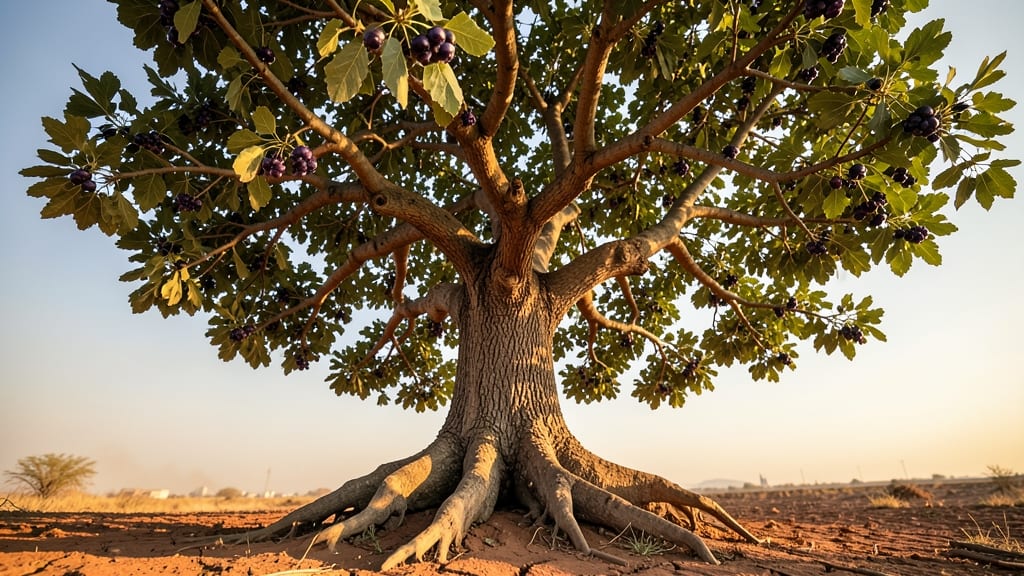
Looking for a fast-growing tree that delivers shade, fruit, and resilience all in one? Mulberry trees are the underrated superstars of urban and desert gardens, thriving where others struggle—even in poor soil and urban pollution.
These trees grow 3-5 feet per year and produce sweet, juicy berries within just 2-3 years of planting. They’re incredibly adaptable, tolerating drought once established and flourishing in zones 5-10. Their deep roots also help prevent soil erosion, making them a dual-purpose addition to any landscape.
Perfect for city dwellers, rural homesteaders, or anyone craving quick shade and harvests, mulberries are the ultimate low-maintenance fruit tree. 🌱
Loquat Trees in Warm Climates
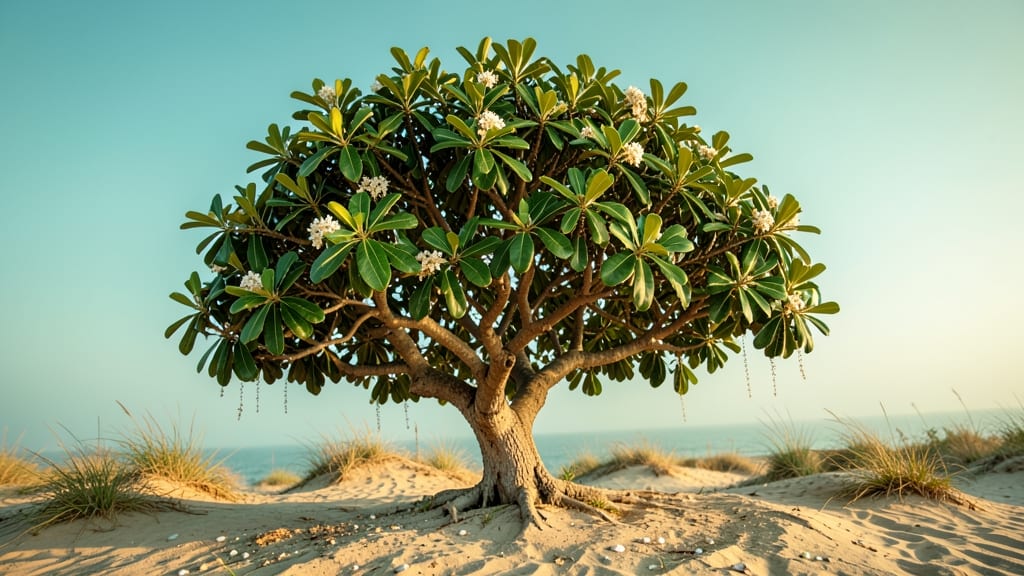
If you crave tropical flavors but live in a coastal desert climate, loquat trees are your secret weapon. These underrated fruit trees handle salt spray, sandy soil, and even brief freezes better than most tropicals—while delivering sweet, honey-like fruit that ripens in winter.
Plant them in full sun to partial shade with well-draining soil, and water deeply only during establishment. Once mature, they thrive on rainwater alone and tolerate drought like a pro. The yellow-orange fruit bursts with flavor when ripe, making them perfect for fresh eating or jams—plus, their glossy evergreen leaves add year-round interest.
Ideal for gardeners in zones 8-10, loquats are the ultimate low-maintenance fruit tree for coastal deserts, offering both beauty and bounty without the fuss. 💚
Barbary Fig for Wildlife Gardens
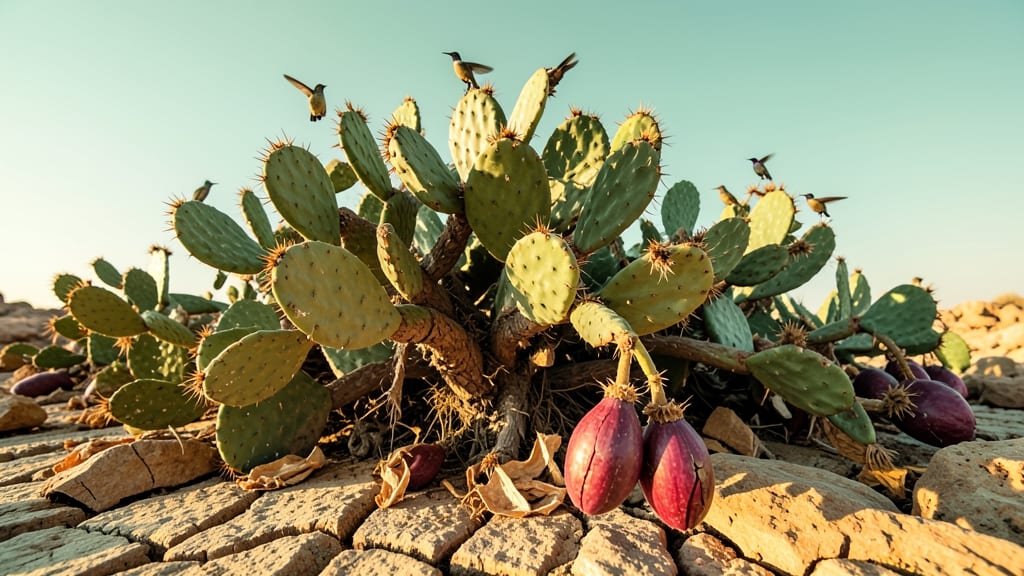
Want a wildlife magnet that thrives on neglect and produces fruit both birds and humans adore? The Barbary fig (Opuntia ficus-indica) is your answer—a drought-resistant succulent that turns rocky desert soils into a snack bar for finches, quails, and hummingbirds.
This zero-water wonder grows effortlessly in zones 7-11, producing sweet, honey-like fruit that ripens from green to deep red. Its flat, paddle-shaped pads store moisture like a built-in reservoir, while its spine-free varieties make it safer for kids and pets. Simply plant in full sun, amend soil with gravel for drainage, and watch it spread—no pruning required.
Perfect for wildlife gardeners, urban desert yards, or food forests, this plant turns barren corners into productive ecosystems. 🌻
Pitaya (Dragon Fruit) Vines

Want to grow something truly exotic in your desert garden without the fuss? Pitaya (dragon fruit) vines deliver vibrant, kiwi-like fruit with almost no watering once established, making them perfect for zones 9-11 where other plants struggle.
These fast-growing vines thrive in containers or ground plantings and tolerate poor soil conditions—ideal for urban gardeners or those with rocky terrain. Feed them once a month during fruiting season, and they’ll reward you with bright pink or yellow fruit that’s packed with antioxidants. With minimal care, you’ll enjoy harvests year-round in warm climates.
Perfect for small spaces or as a striking vertical garden element, pitaya vines bring a tropical touch without the high maintenance. 🌟