
Fertilization
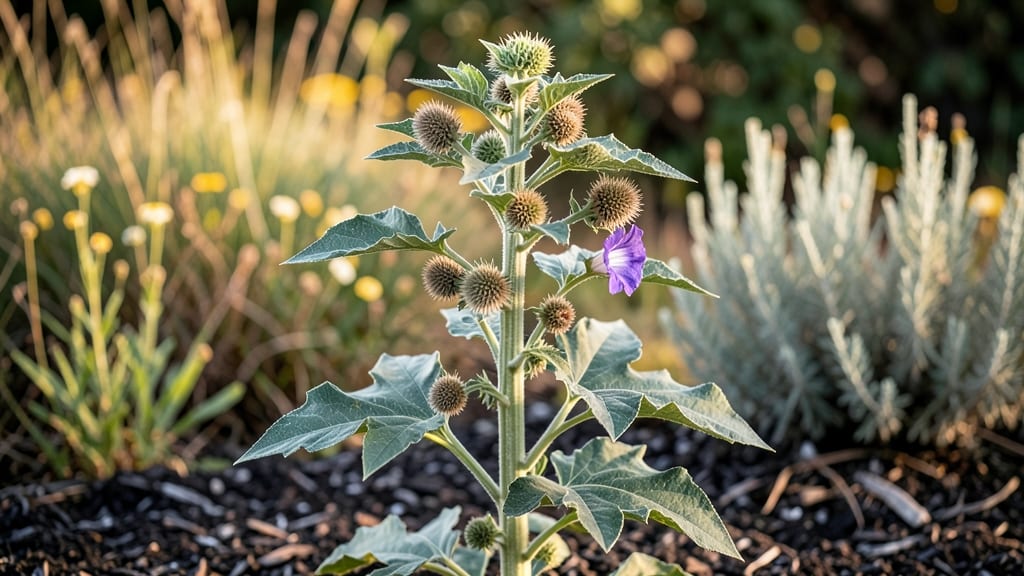
The fruit of Datura wrightii 🌸 is a gardener’s double-edged sword—its seeds hold potential for traditional remedies, but one misstep could turn a harvest into a hazard.
Picture this: you’ve spent months nurturing your sacred datura, watching its spiky pods mature from green to a dry, papery brown. Inside are the seeds you’ve heard can be used in teas or tinctures—but how do you know when they’re truly safe to harvest?
This guide cuts through the confusion, walking you through how to identify ripe fruit, when to collect seeds without risking toxicity, and the critical safety steps every gardener must follow.
Whether you’re drawn to its ornamental beauty or its historical uses, you’ll learn the exact signs of readiness, tools for careful handling, and what to watch for to avoid common pitfalls.
How to identify Datura Wrightii Fruit and Seeds for Safe Harvesting
Datura wrightii, also known as sacred datura, produces distinctive fruit that can be easily confused with toxic look-alikes if you don't know what to look for. The fruit starts as a green, spiky capsule that matures into a yellowish-brown, woody pod—this is your first visual clue. Unlike other datura species, the spines on D. wrightii fruit are thin and flexible, not rigid like its dangerous cousins.
When identifying ripe datura fruit, focus on three key features: color change, spine texture, and seed rattling. The fruit must turn from green to yellowish-brown before harvesting, as green pods contain unripe, toxic seeds.
Even experienced foragers sometimes mistake Datura stramonium (jimsonweed) for D. wrightii, so always cross-check with tactile tests.
| Feature | Datura Wrightii | Toxic Look-Alikes |
|---|---|---|
| Fruit Color | Yellowish-brown | Green or purple |
| Spine Texture | Thin, flexible | Rigid, sharp |
| Seed Rattle | Loud, dry sound | Muffled or none |
| Fruit Shape | Oval, elongated | Round or egg-shaped |
| Leaf Arrangement | Alternate, lobed | Opposite, smooth |
The seeds inside D. wrightii fruit are another critical identifier. When fully ripe, they should rattle loudly when shaken—this indicates dryness and readiness for harvest. The seeds themselves are flat, kidney-shaped, and dark brown to black, unlike the lighter-colored seeds of toxic species.
Always wear gloves when handling, as even ripe seeds contain tropane alkaloids that can cause hallucinations or poisoning if ingested raw.
One of the most common mistakes is harvesting fruit that hasn't fully matured. Green or partially ripe pods contain unprocessed toxins that won't be neutralized by drying. To test ripeness, gently squeeze the fruit—if it feels soft or spongy, it's not ready.
Wait until the pod begins to split naturally along its seams, which usually happens in late summer to early fall in USDA Zone 6a or warmer.
Pay close attention to the stem attachment where the fruit connects to the plant. D. wrightii fruits grow directly from the main stem or primary branches, never from leaf axils like Datura stramonium.
This anatomical difference is a quick field test to confirm your identification. If you're still unsure, compare your specimen to photos of both species under natural light before proceeding.
Never harvest Datura wrightii fruit from wild populations, as many regions regulate or prohibit collection of native plants. If you're growing it in your garden, ensure it's isolated from other datura species to prevent cross-pollination.
Keep a detailed plant journal noting growth stages, fruit development, and harvest dates—this helps track maturity and avoids confusion with look-alikes.
After confirming the fruit is ripe, use sterilized pruning shears to cut the entire pod from the stem, leaving a 1-inch stub. Place the fruit in a paper bag to collect seeds as they fall out naturally during transport.
Avoid crushing the pods, as this can release toxic dust that irritates skin and lungs. Store harvested fruit in a cool, dry place until you're ready to process the seeds.
Once you've mastered identification, you can safely harvest Datura wrightii seeds for traditional uses—just remember, proper preparation is non-negotiable. Always dry seeds thoroughly in a well-ventilated area for at least two weeks to break down alkaloids.
With the right precautions, you'll unlock the culinary and medicinal potential of this fascinating plant.
Step-by-Step Guide to Harvesting and Processing Datura Seeds Safely
Harvesting Datura wrightii seeds requires precision and patience. The yellowish-brown fruit must be fully ripe to ensure seed viability and safety. I always wait until the seed pods begin to split naturally, as this signals peak readiness.
Rushing the harvest can leave toxic residues behind, making the seeds unsafe for any use.
Before you begin, gather your tools: a pair of sterilized pruning shears, a paper bag for collecting seeds, and latex gloves to protect your skin. This plant contains potent alkaloids, so handling it with care is non-negotiable.
I recommend working outdoors or in a well-ventilated area to avoid inhaling any fine particles.
Step-by-Step Harvesting Process
- 1 Identify ripe fruit: Look for yellowish-brown pods that are slightly cracked open. Avoid green or unripe pods, as they contain higher levels of toxic alkaloids.
- 2 Harvest gently: Use sterilized pruning shears to snip the entire pod from the stem. Place pods immediately in a paper bag to prevent seed loss.
- 3 Dry the pods: Spread pods on a clean, dry surface in a well-ventilated area for 1-2 weeks. Avoid direct sunlight to prevent overheating.
- 4 Crack open pods: Once fully dry, gently squeeze the pods to release seeds. Discard any remaining pod material, as it may contain residual toxins.
- 5 Remove seed coats: Soak seeds in lukewarm water for 24 hours to soften outer layers. Rinse thoroughly to remove any lingering toxins.
- 6 Final drying: Spread cleaned seeds on a paper towel and let air-dry for 3-5 days in a cool, dark place. Store in an airtight container away from direct light.
After processing, always perform a small-scale test on a few seeds to ensure they’re safe for your intended use. I’ve found that even properly prepared seeds can vary in potency, so start with minimal amounts.
Never consume raw or improperly processed Datura wrightii seeds, as they contain dangerous levels of atropine and scopolamine.
If you’re using these seeds for ornamental or traditional purposes, research local regulations first—some regions restrict the sale or possession of datura species. Always prioritize safety over yield, especially when working with a plant as potent as this one.
With careful handling, you’ll unlock the potential of these seeds for culinary experiments or traditional remedies, but never skip the drying and rinsing steps. Your patience now ensures a safer experience later.