
Aphids
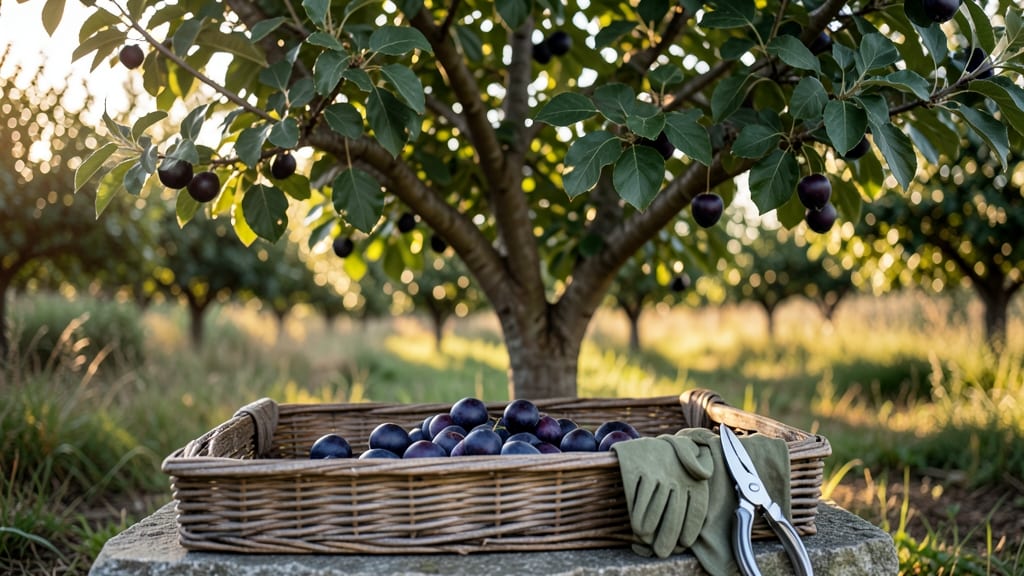
Growing damson plum fruit in Zone 5 is like unlocking a secret garden treasure—tart, flavorful fruit that thrives where many plums fail. 🌱 I’ve grown these hardy trees for years, and they’ve never disappointed, even after brutal winters.
The key? Choosing the right variety and giving them the care they crave from the first spring bud to the last autumn leaf.
Damson plums love full sun and well-draining soil, but they’re tough enough to handle Zone 5’s chill. Plant in early spring when the ground is workable, and space trees 15-20 feet apart for proper airflow.
They’re self-pollinating, so one tree gives you fruit—but two ensures a better harvest. The real magic happens in the soil: mix in compost before planting to feed those hungry roots.
By summer, you’ll see lush foliage and tiny blossoms that turn into deep purple, tart-sweet fruit by late August. Prune in late winter to shape the tree and remove dead wood, and watch as the branches fill with clusters of plums.
The fruit ripens slowly, so pick them when they’re fully colored but still firm—perfect for jams, jellies, or fresh eating.
Pests like aphids or plum curculio can be a nuisance, but a strong spray of water or neem oil keeps them in check. With the right care, your damson plum tree will reward you for years—producing fruit even in Zone 5’s toughest winters.
Here’s how to set it up for success!
📚 In This Guide
- What you need
- Instructions
- Tips and common mistakes
- Wrapping up and next steps
What you need
- ● Damson plum tree: 1-2 cold-hardy varieties (e.g., Stanley or Methley), bare-root or potted (Zone 5 approved!)
- ● Well-draining soil: 50% native soil + 50% compost or organic matter (pH 6.0–7.0)
- ● Fertilizer: Balanced organic fertilizer (10-10-10) or composted manure (1 lb per tree)
- ● Mulch: 2–3 inches of wood chips or straw to retain moisture and suppress weeds
- ● Shovel & spade (for digging)
- ● Pruning shears (sterilized with rubbing alcohol)
- ● Garden hose or watering can (with a spray nozzle)
- ● Stakes & twine (for young trees)
- ○ Optional but helpful: Soil tester kit (to check pH)
- ● Tree guard (to protect from pests)
- ● Drip irrigation system (for consistent watering)
- ● Sunlight: 6+ hours of full sun daily (partial shade in extreme heat)
- ● Space: 15–20 feet apart (damson plums need room to thrive!)
- ● Patience: 3–5 years until first harvest (but worth the wait!)
Step-by-step instructions for planting and cultivating damson plum trees
Here's how to establish your cold-hardy damson plum trees for a bountiful harvest in Zone 5.
🌱 Step 1: Choose the Perfect Planting Location
Damson plums thrive in full sun, so select a spot that receives at least 6-8 hours of direct sunlight daily. I always look for a location with protection from strong winds—you'll see better fruit set and fewer broken branches. A south- or southwest-facing slope works best, as it warms up faster in spring and drains well after heavy rains.
Test your soil's drainage by digging a 12-inch deep hole and filling it with water. If it drains completely within 4-6 hours, your site is suitable. Poor drainage leads to root rot, and damp feet will kill your tree before it bears fruit. If your soil is heavy clay, consider planting on a mound to improve drainage.
🪴 Step 2: Prepare the Planting Hole and Amend the Soil
Dig a hole that's twice as wide as the root ball but only as deep—planting too deep suffocates the roots. Loosen the soil at the bottom of the hole with a garden fork to encourage root penetration. I like to add a 5-gallon bucket of compost mixed into the native soil at the bottom of the hole to give roots a nutrient boost right away.
Gently remove the tree from its container and tease out any circling roots with your fingers. Position the tree so the top of the root ball sits 1-2 inches above ground level. This ensures the tree doesn't settle too deeply over time. Backfill with the native soil mix, tamping down lightly every 6 inches to eliminate air pockets.
☀️ Step 3: Water Thoroughly and Mulch for Retention
Water the newly planted tree with 5 gallons of water to settle the soil and encourage root contact. You'll see the soil sink slightly—this is normal. After watering, apply a 3-inch layer of organic mulch (like wood chips or straw) around the base, keeping it 6 inches away from the trunk to prevent rot.
Mulch helps retain moisture and regulate soil temperature, which is especially important in Zone 5's fluctuating spring and fall weather. Water deeply once a week during the first growing season, providing 10-15 gallons total each time. Overwatering now will drown tender roots—always check that the top 2 inches of soil feel dry before watering again.
✂️ Step 4: Prune for Structure and Airflow
Damson plums benefit from early pruning to establish a strong framework. In late winter or early spring, before buds swell, remove any dead, diseased, or crossing branches. I also cut back any suckers growing from the base—they siphon energy from fruit production. Open the center of the tree by thinning out branches to allow sunlight and air to reach the interior.
Make clean cuts just outside the branch collar (the swollen area where the branch meets the trunk). Avoid leaving stubs, as they invite disease. Prune to create an open vase shape—this encourages better air circulation and reduces humidity-related problems like fungal diseases. Your first pruning should leave 3-5 main scaffold branches evenly spaced around the trunk.
🌿 Step 5: Fertilize and Monitor for Pests
Apply a balanced 10-10-10 fertilizer around the drip line (the edge of the tree's canopy) in early spring, using ½ pound per year of tree age. For a 2-year-old tree, that's about 1 pound total. Water the area thoroughly after applying to prevent root burn. Damson plums are relatively low-maintenance, but they respond well to regular feeding every 2-3 years.
Watch for common pests like aphids and plum curculio—you'll spot them as tiny black beetles or sticky honeydew on leaves. Treat infestations early with horticultural oil or insecticidal soap. In Zone 5, late frosts can damage blossoms, so consider covering young trees with frost cloth if temperatures dip below 28°F during bloom time. Patience is key—damson plums typically bear fruit after 3-5 years of growth.
Tips & tricks for growing damson plum trees in Zone 5
A few strategic moves will help you avoid common pitfalls and set your damson plum tree up for long-term success in Zone 5's challenging climate.
Location is Everything: That 6-8 hours of sunlight isn't just a suggestion—it's non-negotiable for fruit production. I've seen trees struggle in partial shade, producing smaller fruit with less flavor. If your yard has limited sun, consider a south-facing wall or fence that reflects heat back onto the tree. Also, avoid planting near large trees that will compete for water and nutrients during those critical first few years.
Root Ball Position Matters: When planting, the top of the root ball should sit 1-2 inches above ground level—this prevents the roots from settling too deeply over time. I've made the mistake of planting too deep, and within a year, the tree showed signs of stress from being buried too much. Use a small stake to mark the root ball's original level before backfilling.
Watering Wisdom: Those 5 gallons of initial watering are just the beginning. In Zone 5's dry summers, I've learned to water deeply every 5-7 days rather than lightly each day. The key is getting moisture down to the root zone—about 12-18 inches deep. Use a soil probe or long screwdriver to check moisture levels before watering again. You'll know you're doing it right when water appears at the bottom of the hole after watering.
Pruning Precision: Creating that open vase shape isn't just about aesthetics—it's about airflow. I've seen fungal diseases take hold in trees that were too dense. When pruning, aim to remove branches that cross or grow inward, and always cut just outside the branch collar. This technique promotes faster healing and reduces disease entry points. Remember, you're shaping the tree's future fruit production pattern with each cut.
Pro Tips for Damson Plum Fruit
- A few strategic moves will help you avoid common pitfalls and set your damson plum tree up for long-term success in Zone 5's challenging climate.
- Location is Everything: That 6-8 hours of sunlight isn't just a suggestion—it's non-negotiable for fruit production.
- Root Ball Position Matters: When planting, the top of the root ball should sit 1-2 inches above ground level—this prevents the roots from settling too deeply over time.
Frequently asked questions
Got questions about growing and using damson plums?
Here are answers to the most common queries—from planting to pest control—so you can grow this cold-hardy fruit like a pro!
How long does it take for a damson plum tree to bear fruit?
A damson plum tree typically takes 3–5 years to produce its first fruit after planting, depending on climate and care. Patience pays off—once established, these trees can thrive for decades! For faster results, choose grafted trees or rootstocks known for early bearing.
Are damson plums prone to aphids, and how do I prevent them?
Yes! Aphids love damson plums, but you can fight back with neem oil or insecticidal soap (apply in early spring). Encourage ladybugs and lacewings—natural predators that keep populations in check. Prune regularly to improve airflow and reduce hiding spots.
When is the best time to harvest damson plums?
Harvest damson plums when they’re deep purple/black and slightly soft to the touch (late August–September in Zone 5). Wait until they just start yielding to gentle pressure—they won’t ripen further off the tree! Store in a cool, dry place or freeze for later use.
Can I eat damson plums raw, or are they better cooked?
Damson plums are tart and astringent raw, so they’re best used in jams, pies, or sauces. Their thick skin and high pectin make them ideal for preserves! Try them in chutneys or fermented for a unique twist—just avoid eating them straight from the tree.
How cold-hardy are damson plum trees, and do they need winter protection?
Damson plums thrive in USDA Zone 5–8 and tolerate temps down to -15°F (-26°C). Young trees may benefit from mulch or burlap wraps in harsh winters. Once established, they’re tough as nails—just prune damaged branches in spring!
Wrapping up and next steps
Growing damson plums in Zone 5 is not only possible—it’s rewarding! 🌱 With the right soil, sunlight, and care, you’ll soon enjoy a bountiful harvest of these tart, versatile fruits. Whether you’re a seasoned gardener or just starting, every step you take brings you closer to homegrown success.
Ready to take the next step? Start small—plant a single tree or a few bushes—and watch your garden transform. Before you know it, you’ll be savoring homemade jams, jellies, or fresh plums straight from the tree. Happy growing! 🍑✨