
Plants
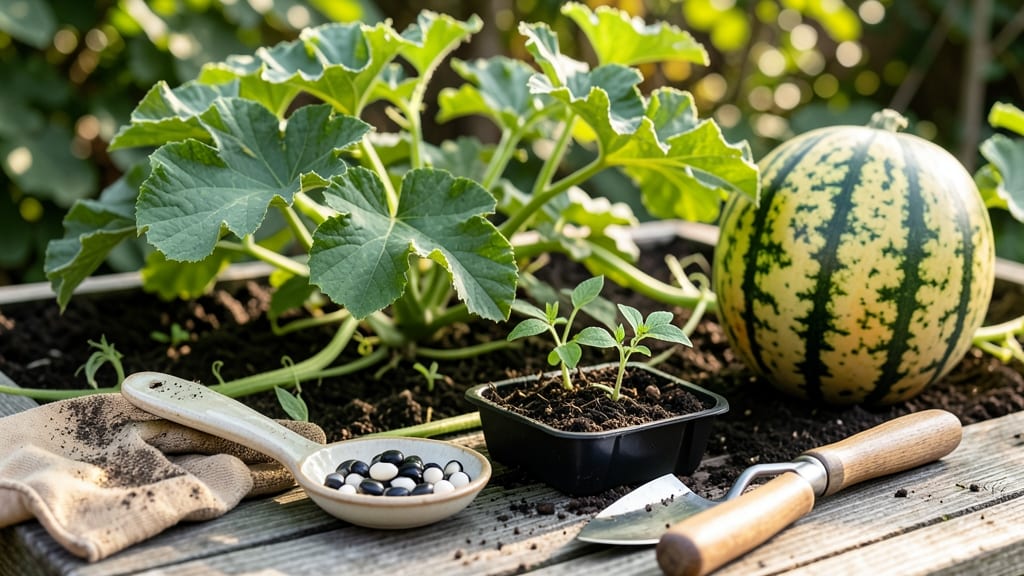
You can plant watermelon seeds straight from the fruit, but their success hinges on proper seed extraction, viability, and creating ideal germination conditions—like warm soil temperatures (70-90°F) and consistent moisture. Always rinse seeds thoroughly to remove pulp residue before planting.
Watermelon seeds from store-bought fruit often have lower viability than fresh ones, since they're typically harvested before full ripeness. 🌱 The pulp contains natural inhibitors that can delay germination, so I recommend fermenting seeds in water for 2-3 days before planting to break down these compounds.
Fresh, fully ripe watermelons yield seeds that sprout faster—usually within 5-10 days—while older seeds may take longer or fail entirely. For best results, plant seeds 1 inch deep in well-draining soil and keep them moist until sprouts appear.
Direct sowing works best in warm climates, but if you're in a cooler region, consider starting seeds indoors 4-6 weeks before the last frost. Watermelons need plenty of space—plant seeds 6-12 inches apart in rows 5-6 feet apart—to allow vines to spread.
Mulching helps retain moisture and regulate soil temperature, which is crucial for those early growth stages when roots are establishing.
💡 In This Article
- Watermelon Seed Germination Requirements and Viability
- Step-by-Step Guide to Extracting and Planting Watermelon Seeds
Watermelon seed germination requirements and viability
Watermelon seeds contain natural germination inhibitors in their pulp, which is why fresh seeds often sprout faster than those from store-bought fruit.
These inhibitors—primarily phenolic compounds—slow down water absorption and enzymatic activity needed for seedling development. 🌱 For home-extracted seeds, viability drops significantly after 3-4 months of storage, while commercially dried seeds may last 1-2 years but often have lower germination rates (around 60-70%) compared to fresh seeds (85-95%).
The key is balancing seed age with pulp removal: over-rinsing can damage seed coats, while leaving residue inhibits growth.
Temperature is the single most critical factor for germination, with optimal soil temperatures ranging between 70-90°F. Below 60°F, metabolic processes slow dramatically, causing seeds to rot before sprouting. Above 95°F, seeds may germinate too quickly, leading to weak seedlings.
Moisture must remain consistent—dry soil causes seeds to desiccate, while waterlogged conditions trigger fungal growth. 💧 The ideal moisture level keeps soil damp (like a wrung-out sponge) but never soggy. This is why mulching with straw or black plastic helps maintain stable conditions in fluctuating climates.
Light exposure during germination is another overlooked factor. Watermelon seeds don't need light to sprout but benefit from 12-16 hours of indirect sunlight daily once seedlings emerge. Direct sunlight can scorch tender leaves, while shade can cause leggy growth.
The seed's natural dormancy period (typically 5-10 days for fresh seeds) can extend to 2-3 weeks if temperatures dip below 70°F or if seeds are improperly cleaned. This delay is why many gardeners use seedling heat mats in cooler regions.
Store-bought watermelon seeds often fail because they're harvested from fruit that never fully ripened on the vine.
These seeds may appear viable but lack the energy reserves needed for strong germination. 🌿 In contrast, seeds from heirloom varieties or homegrown melons contain higher lipid content (up to 30% by weight), which fuels faster and more vigorous sprouting.
The seed's size also matters: larger seeds (typically 0.5 inches long) store more nutrients, while smaller ones may struggle in poor soil conditions.
Here's what actually happens during germination: The seed absorbs water, swelling the embryo 30-50% in size within 24 hours. Enzymes break down stored starches into sugars, fueling root growth first (radicle emergence), followed by the shoot (hypocotyl).
The seed's micropyle (a tiny pore) regulates water intake, which is why damaged seeds often fail—this pore can become clogged with pulp residue. Proper cleaning (fermentation or thorough rinsing) ensures this critical opening remains functional.
For best results, test seed viability before planting by soaking 10 seeds in water for 24 hours. Healthy seeds will sink and show a small white root sprout, while floaters or shriveled seeds should be discarded.
This simple test saves time and resources, especially when dealing with older seed batches. 💫