
Trees
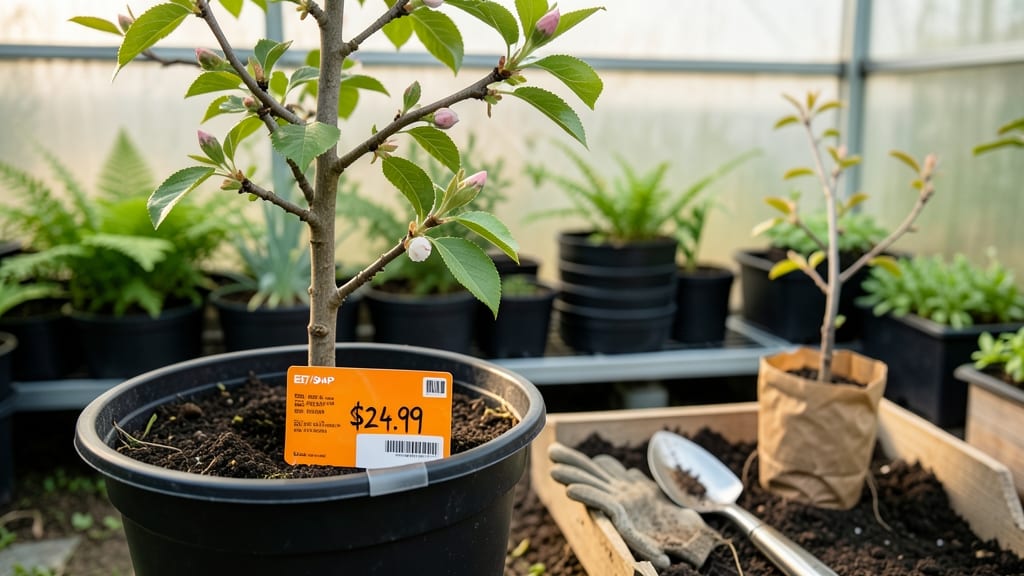
You cannot buy fruit trees with EBT (SNAP benefits) because the USDA classifies them as non-food plants. SNAP only covers edible food items, including seeds for vegetables and herbs, but excludes mature trees and ornamental plants.
This rule exists because SNAP benefits are designed to support food security, not landscaping or long-term investments. 🍎 The USDA specifically excludes plants that aren't immediately edible, which includes established fruit trees—even if they'll produce fruit later.
However, you CAN use EBT to purchase seeds or young seedlings for fruit-bearing plants like strawberries or blueberries, as these are considered food items at the time of purchase.
For gardeners on a budget, this means focusing on smaller, SNAP-eligible plants that deliver quicker harvests. Many grocery stores and farmers' markets now carry seed packets approved for EBT use, making it easier to grow your own fruit without violating program rules.
Always check with your local SNAP office for updates, as policies can vary slightly by state.
💡 In This Article
- USDA SNAP Eligibility Rules for Plants and Seeds
- EBT-Friendly Alternatives for Home Fruit Growers
USDA SNAP eligibility rules for plants and seeds
The USDA's SNAP program has strict definitions about what qualifies as a "food item" for EBT purchases. Fruit trees—even dwarf varieties—are classified as non-food plants because they're not immediately edible at the point of sale.
This distinction stems from the program's core mission: providing access to nutritious food that can be consumed within days or weeks, not years. A 3-foot-tall apple tree might eventually produce fruit, but the USDA considers it a landscaping item rather than a grocery store food product.
Here's where it gets interesting: the rules make a critical distinction between mature plants and planting materials. You can use EBT to purchase seeds or seedlings for fruit-bearing plants like strawberries, blueberries, or dwarf citrus trees—as long as they're classified as food items at purchase.
The USDA considers these immediate food sources because they're either edible seeds or young plants that will produce food within the growing season. For example, a packet of strawberry seeds costs around $2-$4 and qualifies, while a $50 apple tree does not.
The classification process involves whether the item is considered a "food product" under federal guidelines. Fruit trees fall under horticultural plants, which are excluded because they're not ready-to-eat.
Even if you plant a peach tree today, the USDA doesn't recognize it as food until the fruit appears—typically 3-5 years later. This timeline mismatch is why EBT can't be used for established trees, but can cover herb seedlings or tomato plants that produce food within months.
What makes this particularly frustrating for gardeners is how the rules treat container-grown plants. A 6-inch basil plant in a pot qualifies for EBT because it's ready to harvest leaves immediately, while a 3-gallon lemon tree in the same pot doesn't—even though both are in identical containers.
The key factor is edibility at purchase, not the container size or growth stage. 🌱 This creates confusing scenarios where similar-looking plants have completely different eligibility statuses.
There's one important exception worth noting: some states allow SNAP benefits to be used for food-producing plants purchased at farmers' markets or through approved vendors. For instance, California's program permits EBT purchases of fruit tree saplings under $50 if they're labeled as "food plants."
Always check your state's SNAP website or contact your local office, as these exceptions vary by region. The USDA's national guidelines provide a baseline, but state-level programs often add flexibility for local agricultural needs.
Understanding these rules helps explain why you'll see seed packets prominently displayed in grocery stores' produce sections while fruit trees are relegated to garden centers—even when both are sold by the same retailer.
The physical location often reflects the EBT eligibility status, creating a subtle but important shopping guide for SNAP recipients. 💡