
Plants
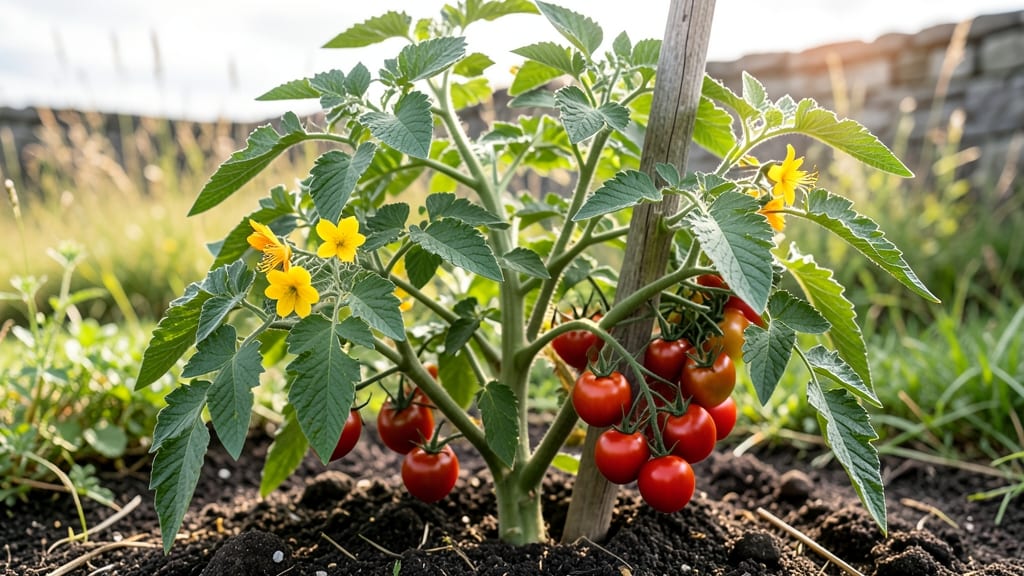
Growing small fruit like tomatoes opens up a world of flavor-packed plants that thrive in tight spaces. 🌱 My balcony now bursts with cherry tomatoes, peppers, and even mini eggplants—all in pots smaller than a microwave.
These compact varieties pack the same bold taste as their garden cousins but with less space, less fuss, and zero excuses for not growing your own.
You’ll need containers with drainage (5-gallon buckets work wonders), a sunny spot getting 6+ hours of light daily, and soil that drains fast but holds moisture. The real secret?
Pruning regularly keeps plants bushy and productive—pinch off suckers on tomatoes and trim leggy pepper stems. Most mistakes happen when we overwater or crowd plants; these varieties beg for airflow.
By midsummer, you’ll be harvesting cup-sized tomatoes that burst with flavor, peppers that turn bright red in weeks, and eggplants so small they vanish in stir-fries. The plants stay compact, the harvests keep coming, and your neighbors will beg for cuttings. Even my black thumb can’t kill these.
Works for balconies, patios, or small garden corners—just swap varieties for your zone. Cherry tomatoes like ‘Tiny Tim’ or ‘Sweet Million’ are foolproof starters. Let’s get growing!
📚 In This Guide
- What you need
- Instructions
- Tips and common mistakes
- Wrapping up and next steps
What you need
- ● Seeds or Seedlings: 1–3 small-fruited tomato varieties (e.g., 'Tiny Tim,' 'Patio,' or 'Micro Tom')—choose heirloom or hybrid based on your preference.
- ○ Optional: Grafted seedlings for disease resistance (especially if your area has soil-borne issues).
- ● Growing Containers (if applicable): 1–5 5-gallon pots or larger (minimum 12" depth) with drainage holes.
- ○ Optional: Self-watering containers or fabric grow bags for better moisture control.
- ● Soil: 1 bag high-quality potting mix (e.g., Miracle-Gro or Fox Farm Ocean Forest).
- ● 1 cup perlite or vermiculite (for drainage).
- ● 1 cup compost or worm castings (for nutrients).
- ● Fertilizer: 1 balanced organic fertilizer (e.g., 5-5-5 or 10-10-10, like Dr. Earth or Espoma).
- ○ Optional: Slow-release granules or liquid seaweed extract for a boost.
- ● Tools: 1 trowel or small hand shovel for transplanting.
- ● 1 spray bottle (for seedling misting).
- ● 1 gardening gloves (to protect your hands!).
- ○ Optional: Pruning shears, trellis/stakes (if training vines), and a moisture meter for container growers.
- ● Sunlight: A south-facing spot with 6–8+ hours of direct sunlight daily (tomatoes are not shade-tolerant!).
- ● Climate: Start seeds 6–8 weeks before your last frost date (indoors, under grow lights if needed).
- ● Transplant outdoors only after soil temps reach 55°F (13°C) or warmer.
- ● Watering Setup: A drip irrigation system or watering can to avoid wetting leaves (prevents disease).
- ● Patience: Small-fruited varieties may take 60–80 days to bear fruit—plan ahead!
Step-by-Step guide to growing sun-loving perennial fruits
Here’s how to cultivate compact, tomato-like perennials that thrive in containers or garden beds.
🌱 Step 1: Select the Right Perennial Varieties
Start with sun-loving perennials like ground cherries (Physalis), tomato bush (Solanum betaceum), or pepperberry (Taquetia)—all of which produce small, tomato-like fruits. These thrive in full sun (6+ hours daily) and tolerate heat better than annual tomatoes. I recommend ground cherries for their sweet, tangy flavor and ease of growing.
Check your local hardiness zone to ensure the perennial will survive winter in your climate. For example, pepperberry thrives in zones 9-11, while ground cherries are more adaptable to zones 3-10. If you’re in a cooler zone, grow them in containers and bring them indoors during winter.
☀️ Step 2: Prepare the Soil and Planting Site
Amend your garden soil with compost or well-rotted manure to improve drainage—these perennials hate soggy roots. Aim for a pH of 6.0-6.8, which encourages strong root development. If planting in containers, use a lightweight potting mix with perlite or vermiculite to prevent compaction.
For in-ground planting, dig a hole twice as wide as the root ball but only as deep. Gently loosen the roots if they’re circling, then place the plant so the top of the root ball sits just below soil level. This prevents stem rot while allowing roots to expand freely.
💧 Step 3: Water and Mulch for Optimal Growth
Water deeply once a week (or more in extreme heat) to encourage strong root systems. The soil should feel damp 2-3 inches down—not soggy, not bone-dry. I use a drip irrigation system for containers to avoid overwatering, which can lead to blossom-end rot in these fruit types.
Apply 2-3 inches of mulch (straw or shredded leaves) around the base to retain moisture and suppress weeds. Keep mulch 2 inches away from stems to prevent rot. You’ll notice healthier foliage and more consistent fruiting once the soil stays evenly moist.
✂️ Step 4: Prune and Support for Better Yields
Prune leggy stems to encourage bushier growth and more fruit production. Pinch back the tips of young plants when they reach 6-8 inches tall to promote branching. For ground cherries, remove suckers (shoots growing from the base) to direct energy into fruit development.
Use cages or stakes to support taller varieties like tomato bush. This prevents stems from snapping under the weight of fruit. Harvest ground cherries when the papery husk turns brown—this signals peak ripeness. For pepperberry, pick fruits when they’re bright red for the best flavor.
🌿 Step 5: Fertilize and Monitor for Pests
Feed plants with a balanced, organic fertilizer (10-10-10) every 4-6 weeks during the growing season. Over-fertilizing leads to excessive leafy growth at the expense of fruit. I switch to a low-nitrogen, high-phosphorus blend (like 5-10-10) when flowers appear to boost fruiting.
Watch for aphids or spider mites, which love the tender new growth. Spray infested plants with neem oil or insecticidal soap at the first sign of pests. Aphids cluster on undersides of leaves, while spider mites cause yellowing and webbing—act fast to prevent spread.
Tips & tricks for perfect sun-loving perennial fruit cultivation
Here's what nobody tells you about growing these compact, tomato-like perennials that'll make all the difference between a decent harvest and a bountiful one.
Variety Selection Matters: When choosing between ground cherries, tomato bush, or pepperberry, consider your climate and intended use. Ground cherries are the most versatile for cooler zones (3-10) and produce fruits that taste like a cross between tomatoes and strawberries. For warmer climates (9-11), pepperberry offers a unique, slightly spicy flavor that pairs beautifully with salads. I've found that tomato bush varieties work best in containers for urban gardeners due to their compact growth habit.
Soil Prep is Non-Negotiable: The pH of 6.0-6.8 mentioned in Step 2 is crucial—these perennials won't thrive in alkaline soils. Test your soil before planting and amend with sulfur if needed. For containers, I recommend mixing equal parts potting soil, perlite, and compost to create the perfect airy medium. The twice-as-wide hole technique in Step 2 prevents root circling, which is especially important for these shallow-rooted perennials.
Watering Wisdom: That once-a-week watering guideline in Step 3 works for average conditions, but adjust for your specific climate. In extreme heat, I water every 2-3 days while monitoring soil moisture. The damp 2-3 inches down test is foolproof—use a screwdriver to check. For containers, I've found drip irrigation systems prevent overwatering better than hand watering, which can lead to blossom-end rot in these fruit types.
Pruning Payoff: The 6-8 inch pinch point in Step 4 creates bushier plants with more fruit clusters. I recommend using clean, sharp pruners to avoid damaging stems. For ground cherries specifically, removing suckers redirects energy to fruit production rather than vegetative growth. This is where many gardeners make their first mistake—skipping the pruning leads to leggy plants with fewer fruits.
Pro Tips for Small Fruit Like Tomato
- Here's what nobody tells you about growing these compact, tomato-like perennials that'll make all the difference between a decent harvest and a bountiful one.
- Variety Selection Matters: When choosing between ground cherries, tomato bush, or pepperberry, consider your climate and intended use.
- Soil Prep is Non-Negotiable: The pH of 6.0-6.8 mentioned in Step 2 is crucial—these perennials won't thrive in alkaline soils.
Frequently asked questions
Got questions about growing small fruit-like tomatoes or similar sun-loving perennials? You’re not alone! Here are some of the most common queries—and their straightforward answers—to help you cultivate a thriving harvest.
What are the best small fruit-like tomato varieties for beginners?
Start with compact, disease-resistant varieties like Tiny Tim, Micro Tom, or Patio Princess. These are easy to grow in containers, produce abundant fruit, and thrive in partial shade if needed. Micro Tom even ripens in just 50 days!
How long does it take for small fruit-like tomatoes to bear fruit?
Most small tomato varieties produce fruit 60–90 days after transplanting, depending on warmth and sunlight. Cherry tomatoes and grape tomatoes often fruit earlier (45–60 days), while heirloom types may take longer. Patience pays off—consistent care speeds up the process!
Can I grow these in containers, or do they need a garden bed?
Small tomato varieties thrive in containers (5+ gallon pots work well). Use well-draining soil, stake plants for support, and place pots in full sun (6+ hours/day). Just ensure containers have drainage holes to prevent root rot.
What pests or diseases should I watch for, and how do I prevent them?
Common issues include aphids, whiteflies, and blight. Prevent pests with neem oil or companion planting (basil/marigolds). For diseases, prune for airflow, water at the base (not leaves), and choose resistant varieties. Remove affected foliage immediately!
What are some alternatives to tomatoes for small, edible fruit?
Try pepperoncini peppers (tiny, spicy, and prolific), ground cherries (sweet, papery-skinned fruit), or dwarf eggplants. Strawberries and bush beans are also great container-friendly picks with minimal fuss!
Wrapping up and next steps
Growing small, sun-loving fruits like tomatoes—whether in containers or gardens—is a rewarding journey that brings fresh, homegrown goodness to your table. 🌱 With the right materials, sunlight, and care, you’ll enjoy bountiful harvests and maybe even inspire others to try their hand at gardening!
Ready to take the next step? Start with just one plant—whether it’s a cherry tomato, pepper, or eggplant—and watch your confidence (and harvest) grow.
💡 Pro Tip: Keep a gardening journal to track progress, soil conditions, and what works best for your space. Happy growing!