
How To
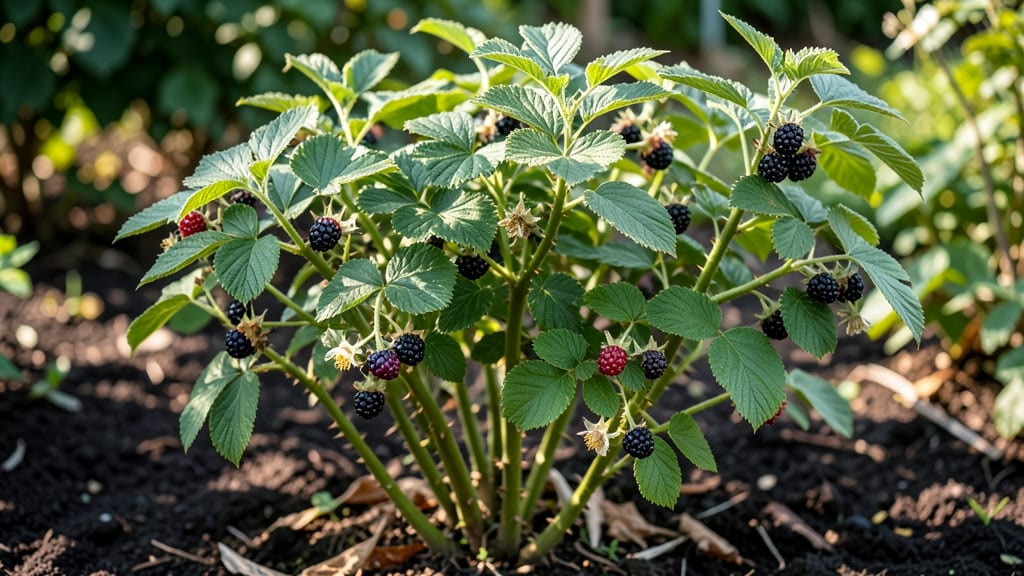
Blackberry bushes take 1 to 3 years to produce fruit, depending on the variety and care you give them.
Picture this: you’ve planted your 🫐 bushes in spring, watered them faithfully, and even pruned like a pro—but still, no berries. The wait feels endless, especially when neighbors’ plants are already loaded.
The truth? Some varieties fruit in just 12 months, while others play the long game, needing up to 3 years to hit their stride.
Here’s the game-changer: pruning and soil prep can shave months (or even years) off that timeline. Everbearing types, for example, might reward you with fruit in their first year, while summer-bearing varieties need patience—and the right techniques to coax them along.
Below, I’ll break down the exact timeline by type, plus the pruning tricks that turn "waiting" into "harvesting."
You’ll also learn how to spot common mistakes that stall fruiting (like over-pruning or poor soil), and how to fix them before your bushes throw in the towel. Ready to turn those bare canes into a berry bonanza?
Blackberry fruit production timeline by variety: from primocanes to floricanes
Blackberries are fascinating because they produce fruit on two different types of canes: primocanes (first-year growth) and floricanes (second-year growth).
This unique system means your fruiting timeline depends entirely on the variety you grow. Summer-bearing types like 'Triple Crown' fruit only on floricanes, while everbearing varieties like 'Natchez' produce on both primocanes and floricanes, giving you two harvests per year.
The key to understanding your timeline is recognizing that primocanes take 1 year to mature into floricanes before they fruit. In USDA zones 5-7, this means most summer-bearing varieties won't produce until their second growing season.
Warmer zones (8-9) can see earlier fruiting, but the cane development rules remain consistent. Thornless varieties like 'Cheyenne' follow the same timelines but offer easier harvesting.
Let's break down the fruit production timeline by variety type, including how climate affects your harvest window. Understanding these patterns helps you plan for soil prep, mulching, and pruning at the right times to maximize yield.
🌱
| Variety Type | First Fruit | Second Fruit | Zone 5-7 Timeline | Zone 8-9 Timeline | Key Pruning Tip |
|---|---|---|---|---|---|
| Summer-Bearing (e.g., 'Triple Crown') | Year 2 (floricanes) | None | June-July (second year) | May-June (first year) | Remove all fruit after harvest |
| Everbearing (e.g., 'Natchez') | Year 1 (primocanes) | Year 2 (floricanes) | July-Aug (primocanes) + Sept (floricanes) | June-July (primocanes) + Aug-Sept (floricanes) | Leave 6-8 strongest canes |
| Semi-Everbearing (e.g., 'Chester') | Year 1 (primocanes) | Year 2 (floricanes) | July (primocanes) + Aug (floricanes) | June (primocanes) + July-Aug (floricanes) | Prune lightly after first harvest |
| Thornless (e.g., 'Arapaho') | Year 2 (floricanes) | None | June-July (second year) | May-June (first year) | Remove old canes in late winter |
For summer-bearing varieties, the wait is longest—typically 18-24 months from planting to first harvest.
This is because you must establish a strong root system before the primocanes mature into floricanes. Everbearing types reward patience sooner with first fruit in year 1 from primocanes, though the second harvest from floricanes still requires waiting until year 2.
Climate plays a huge role in these timelines. In USDA zones 8-9, blackberries often fruit 6-8 weeks earlier than in cooler zones because the growing season starts sooner.
For example, 'Natchez' everbearing blackberries might produce primocane fruit as early as late May in zone 9, while zone 5 gardeners should plan for mid-July harvests instead.
One common misconception is that thornless varieties take longer to fruit. In reality, they follow the same timelines as traditional types, but their easier harvesting makes them worth the wait.
The key difference is in pruning requirements—thornless bushes need less aggressive pruning to maintain cane health while still producing abundant fruit.
To optimize your fruiting timeline, focus on planting in early spring (after last frost) and providing well-draining soil with pH 5.5-6.5. Mulch heavily in spring and summer to protect roots and conserve moisture, which helps canes mature faster.
In USDA zone 5, consider using black plastic mulch to extend the growing season by 2-3 weeks.
Pruning tricks to speed up blackberry fruit production by 30-50%
Blackberry bushes can take 1-3 years to produce fruit, but strategic pruning can slash that wait time by 30-50%. The key lies in understanding your variety—everbearing types produce fruit on both old and new canes, while summer-bearing varieties fruit only on second-year canes (floricanes).
Proper pruning redirects energy to fruit production instead of excessive foliage.
For summer-bearing varieties, focus on removing weak primocanes (first-year canes) in late winter to force remaining canes to grow thicker and fruit more abundantly. Everbearing bushes need a lighter touch—prune only dead or crossing canes to avoid stunting fruit production.
Timing matters: dormant-season pruning (late winter) sets the stage, while summer pruning (after harvest) keeps the plant healthy.
Step-by-Step Pruning Guide for Faster Fruit
Remove all dead, diseased, or weak canes at ground level. Keep 6-8 strongest floricanes (second-year canes) for summer-bearing varieties.
Trim overlapping or crowded canes to improve airflow. For everbearing types, prune only non-fruiting primocanes to encourage new growth.
If canes are thin or bare, cut them back to 12 inches tall in early spring. This stimulates new growth and faster fruiting.
Apply a balanced 10-10-10 fertilizer to replenish nutrients lost during pruning. Focus on the root zone for best results.
One common mistake is over-pruning, which delays fruiting by 1-2 years. Always leave at least 6-8 canes per bush to ensure fruit production. For everbearing varieties, prune lightly—removing only 20-30% of canes—to maintain balance between foliage and fruit.
Pro tip: Use sharp, clean pruners to avoid disease spread. Sterilize blades with rubbing alcohol between cuts. Mulch around the base after pruning to retain moisture and reduce stress on the plant. With these techniques, you’ll see 30-50% more fruit in just one growing season!
Remember, patience and precision pay off. Start with dormant pruning, monitor growth, and adjust summer pruning as needed. Your blackberry bushes will thank you with bigger, sweeter berries sooner than you expect. 🫐✂️