
Fertilization
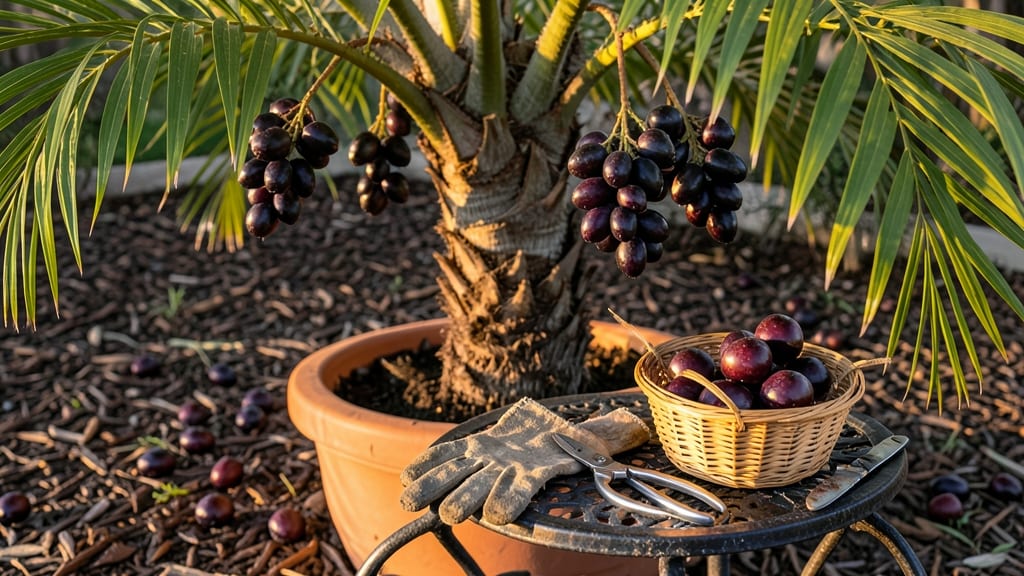
Butia capitata fruit tastes like tropical sunshine in every bite—sweet, nutty, and packed with energy. 🌟 I’ve grown these palms for years, and they’ve become my go-to for low-maintenance, high-reward harvests.
Unlike fussy tropical plants, butia palms thrive with minimal fuss, producing fruit that rivals dates in flavor but with a fraction of the care. The secret lies in their adaptability: full sun to partial shade, well-draining soil, and hardiness down to 15°F—unheard of for most palms.
They’re the perfect choice for warm climates or even containers in cooler zones. Once established, they reward you with harvests for decades, with minimal pruning or fertilization. You’ll recognize ripe fruit when the husks turn golden and split open naturally. The taste?
A mix of caramelized date and almond, with a texture that’s chewy yet tender. It’s the kind of harvest that turns neighbors into green-eyed gardeners overnight. Start with a young palm, and in 3-5 years, you’ll have your first fruit. The best part?
These palms handle neglect—drought, poor soil, even occasional neglect—better than most tropicals. Here’s how to set yours up for success.
📚 In This Guide
- What you need
- Instructions
- Tips and common mistakes
- Wrapping up and next steps
What you need
- ● Slow-release palm fertilizer (e.g., Osmoote 15-5-10 or Miracle-Gro Shake ’n Feed Palm Food): 1–2 lbs per tree (adjust for soil size)
- ● Look for a high-potassium (K) formula (e.g., 10-10-20 or 12-4-8)
- ● Organic compost or well-rotted manure (e.g., cow, horse, or chicken manure): 5–10 gallons per tree (spread evenly in a 3–4 ft radius around the trunk)
- ○ Optional: Worm castings for extra micronutrients
- ● Garden gloves (nitrile or leather for durability)
- ● Garden fork or tiller (for aerating soil)
- ● Watering can or hose with a gentle spray nozzle
- ● pH test kit (to check soil acidity—ideal range: 5.5–6.5)
- ● Lime or sulfur (if soil pH is off—use sparingly!)
- ● Mulch (pine bark or straw) (2–3 inches thick to retain moisture)
- ● Sunlight access: Butia capitata thrives in full sun (6+ hours/day)
- ● Well-draining soil: Amend heavy clay with sand or perlite if needed
- ● 🌡️ Timing: Fertilize in early spring (before new growth) and late summer—avoid winter!
- ● ✨ Watering: Keep soil consistently moist but not soggy (drought-tolerant once established!)
- ● 🔥 Avoid: Over-fertilizing (burns roots!)—stick to every 2–3 months max.
Step-by-step guide to growing Butia capitata fruit trees
Here’s how to cultivate this drought-resistant palm for sweet, edible fruit with minimal effort.
🌱 Step 1: Select the Right Location and Soil
Butia capitata thrives in full sun—at least 6-8 hours daily—and tolerates poor, sandy, or rocky soils better than most palms. I plant mine in well-draining soil with a slightly acidic to neutral pH (6.1-7.5). The key is avoiding waterlogged roots, so if your soil compacts easily, amend it with 20% coarse sand or perlite.
This palm handles heat and drought once established, but young trees need consistent moisture for the first 12-18 months. Mulch with 2-3 inches of organic matter (like pine bark) to retain moisture and regulate soil temperature. Avoid heavy mulch piles against the trunk—keep it 6 inches away to prevent rot.
☀️ Step 2: Plant at the Correct Depth and Spacing
Dig a hole twice as wide as the root ball but only as deep as the container—never deeper. Butia capitata has a fibrous root system that spreads horizontally, so spacing matters. Plant 15-20 feet apart for mature trees to prevent overcrowding. The root flare (where roots meet the trunk) should sit just above soil level—burying it too deep suffocates the roots.
Backfill with native soil mixed with a handful of bone meal (for phosphorus) and water deeply to eliminate air pockets. I tap the soil gently as I fill to ensure firm contact without compacting. After planting, water once weekly for the first month to help roots establish, then taper to every 2-3 weeks once leaves appear.
💧 Step 3: Water and Fertilize for Optimal Growth
Butia capitata is drought-tolerant once mature, but young trees need deep, infrequent watering. Water only when the top 4-6 inches of soil feel dry—stick your finger in to check. Overwatering is the fastest way to kill this palm, so never let it sit in soggy soil. In USDA Zones 9-11, supplemental watering may only be needed during prolonged dry spells (30+ days without rain).
Fertilize twice yearly: in early spring (before new growth) and mid-summer. Use a balanced palm fertilizer (6-6-6 or 8-2-12) with micronutrients like magnesium and manganese. Apply half the recommended dose the first year, then follow package instructions. I avoid high-nitrogen fertilizers—they promote leafy growth at the expense of fruit production.
✂️ Step 4: Prune and Protect for Fruit Production
Pruning is minimal for Butia capitata—remove only dead, diseased, or crossing fronds with sterilized pruners. I cut fronds at the base of the petiole (the stalk where it meets the trunk) to prevent unsightly stubs. Never prune more than 20% of the fronds at once, or the tree struggles to photosynthesize enough to support fruit.
To encourage fruiting, reduce stress factors like overwatering or poor drainage. Young trees may take 3-5 years to bear fruit, but once established, they produce abundant clusters of golden-yellow fruit that resemble dates. Harvest when the fruit softens slightly and turns deep yellow—usually in late summer to fall. Wear gloves; the fruit stains hands and clothing.
⏰ Step 5: Overwinter and Maintain for Long-Term Health
In Zones 8 and colder, protect young trees with burlap wraps or frost cloth during winter. Mature trees handle brief dips to 20°F, but young specimens need insulation around the base to prevent root freeze. I also reduce watering by half in winter since the tree’s metabolic rate slows.
Inspect trees annually for pests like palm weevils or scale insects. Look for sawdust-like frass (insect droppings) or sticky honeydew on fronds. Treat infestations immediately with neem oil or systemic insecticides. Healthy Butia capitata trees rarely need pesticides, but early intervention prevents spread. With proper care, this palm lives 50+ years and rewards you with edible, vitamin-rich fruit for decades.
Tips & tricks for perfect Butia capitata fruit trees
These essential insights will help you avoid common pitfalls and maximize your palm's potential for decades of fruit production.
Soil Preparation: Before planting, test your soil's pH using a simple kit—Butia capitata thrives in that 6.1-7.5 range we mentioned. If your soil tests too alkaline, amend with sulfur or peat moss to adjust gradually over several months. I've seen trees struggle in heavy clay soils, so if yours compacts easily, mix in that 20% coarse sand or perlite right from the start. The goal is mimicking its native Brazilian habitat where it grows in nutrient-poor, well-draining soils.
Planting Depth: The root flare is your guidepost—it should sit just above soil level, never buried. I learned this the hard way after seeing a neighbor's tree develop root rot from being planted too deep. Use a reference stick to mark the original soil level from the container, then adjust until you match that line perfectly. This ensures proper gas exchange at the root collar, which is critical for long-term health.
Watering Wisdom: The 12-18 month establishment period is non-negotiable for young trees. During this time, water deeply but infrequently—aim to moisten the soil to 12 inches deep each time. I use a soil probe to check moisture levels rather than relying on a schedule. Once established, you'll notice the tree's fronds becoming more upright and less floppy, signaling it's ready for that drought-tolerant phase we discussed.
Fertilizer Strategy: When applying that balanced palm fertilizer (6-6-6 or 8-2-12), scatter it evenly in a circle extending beyond the tree's drip line—about 2 feet wider than the canopy. This mimics natural nutrient distribution. I've found that applying fertilizer in early spring (just as new fronds emerge) and mid-summer (when the tree is actively growing) gives the best results. The key is consistency—don't skip either application, even if the tree looks healthy.
Pro Tips for Butia Capitata Fruit
- These essential insights will help you avoid common pitfalls and maximize your palm's potential for decades of fruit ...
- Soil Preparation: Before planting, test your soil's pH using a simple kit—Butia capitata thrives in that 6.1-7.5 rang...
- Planting Depth: The root flare is your guidepost—it should sit just above soil level, never buried. I learned this th...
Frequently asked questions
Got questions about Butia capitata fruit? You’re not alone!
Here are the most common queries—and answers—to help you grow and enjoy this tropical treasure with confidence.
How long does it take for a Butia capitata palm to produce fruit?
A young Butia capitata palm typically takes 3–5 years to bear fruit, depending on growing conditions. Patience is key—healthy palms in warm climates (Zones 9–11) may fruit sooner, while cooler regions could extend the timeline. Pro tip: Ensure full sun (6+ hours/day) and well-draining soil to speed up maturation!
Can I eat Butia capitata fruit raw, or does it need cooking?
The fruit is edible raw and tastes like a cross between coconut and mango with a buttery texture. For a sweeter flavor, let it ripen fully (yellow-orange color). Warning: The flesh is delicious, but the husk is tough—wear gloves when harvesting!
Will Butia capitata fruit survive cold weather?
The palm itself is cold-hardy (down to 15–20°F), but fruit production may drop below 40°F. If frost threatens, mulch the base and cover young palms with burlap. The fruit itself isn’t frost-resistant—harvest before temperatures dip!
What’s a good alternative if I can’t grow Butia capitata?
If your climate isn’t ideal, try these similar palms for fruit:
- Cocos nucifera (Coconut) – Hardy and versatile.
- Syagrus romanzoffiana (Queen Palm) – Edible hearts and sweet fruit.
- Phoenix dactylifera (Date Palm) – Classic for arid regions.
Why isn’t my Butia capitata producing fruit?
Common culprits include:
- Age – Needs 3+ years to mature.
- Water stress – Over/under-watering stunts growth.
- Nutrient deficiency – Test soil for potassium/magnesium.
- Pollination issues – Hand-pollinate flowers if bees are scarce.
Wrapping up and next steps
Butia capitata isn’t just a stunning palm—it’s a low-maintenance superstar that rewards you with delicious, nutrient-packed fruit and year-round greenery. Whether you’re a beginner or a seasoned gardener, its adaptability and resilience make it the perfect addition to your landscape or homestead. 🌱
Ready to turn your corner of the world into a fruit-bearing paradise? Start small: plant one today and watch it thrive with minimal effort. Before you know it, you’ll be harvesting your own palm tree goldmine—nature’s way of saying, “You’ve got this!” 🍑✨