
Diseases
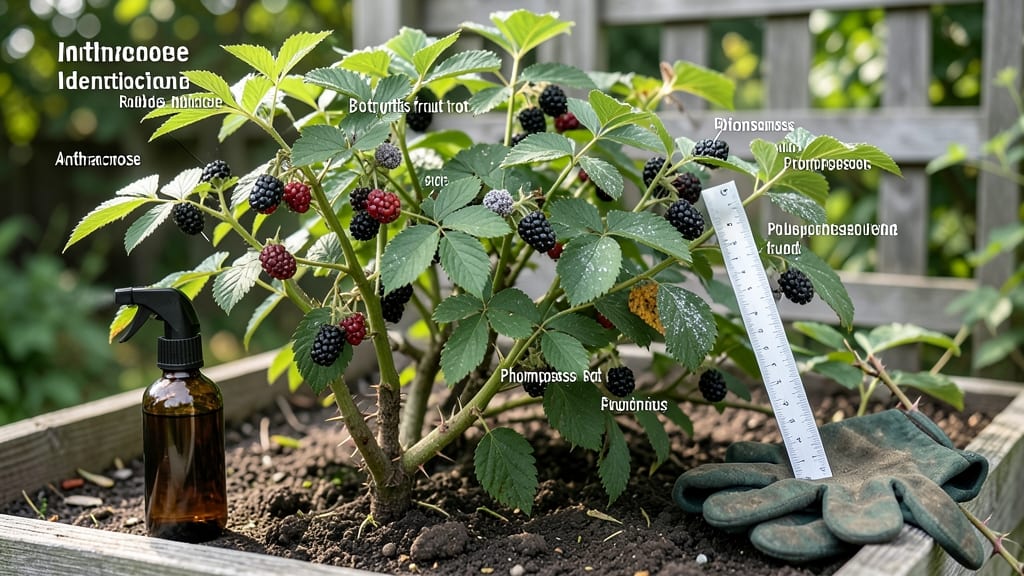
Blackberry fruit diseases can turn your healthy harvest into a disappointing mess—unless you catch them early. 🌿 I’ve lost entire seasons to anthracnose and rosette virus, but now I spot the warning signs before they spread.
The key is knowing what to look for: discolored canes, shriveled berries, or odd growth patterns that scream "trouble." Most diseases start with poor air circulation, overwatering, or stressed plants. My biggest mistake? Ignoring the first few infected leaves until it was too late.
Once you recognize the symptoms—like black spots on fruit or stunted canes—you can act fast with pruning, fungicides, or even removing whole plants if needed. With the right prevention, you’ll protect your bushes from 90% of common diseases before they take hold.
I’ll show you how to keep your blackberries thriving season after season, even in humid climates where fungus loves to hide. This guide covers organic sprays, pruning schedules, and when to pull the plug on hopeless plants. Let’s save your harvest before the berries even ripen.
Root Causes of Blackberry Blight
Understanding why blackberry fruit diseases strike requires peeling back the layers of biology, environment, and even human activity. These issues rarely appear in isolation—they’re often the result of a perfect storm of conditions.
Below, we break down the key factors that turn a thriving blackberry patch into a battleground for pathogens.
Blackberries are particularly vulnerable to fungal diseases because their fruit and leaves provide an ideal breeding ground for spores.
Fungi like Botrytis cinerea (gray mold) and Rhizopus stolonifer (fruit rot) thrive in: - High humidity (80%+ relative humidity) – Spores float freely and land on ripe fruit, germinating within hours. - Poor air circulation – Dense canopies trap moisture, creating a damp, spore-rich microclimate. - Wet foliage – Rain or overhead irrigation keeps leaves damp for prolonged periods, accelerating spore germination.
💡 Pro Tip: Prune blackberry canes to improve airflow and avoid wetting foliage during watering. Early morning is the best time to irrigate—allowing leaves to dry by afternoon.
Insects don’t just damage fruit—they spread diseases.
Common culprits include: - Thrips – Feed on blackberry flowers and fruit, creating wounds that invite fungal infections like anthracnose. - Japanese beetles – Chew on leaves, weakening the plant’s defenses and leaving entry points for bacterial leaf spot. - Birds and rodents – Spread spores between plants when they peck at infected fruit.
🔥 Action Step: Use row covers during flowering to block pests, and remove fallen fruit promptly to disrupt the disease cycle.
Blackberries are sensitive to sudden temperature shifts and excessive moisture, which weaken their natural resistance.
Key triggers: - Cool, wet springs – Favor powdery mildew and rust by slowing plant growth while keeping spores active. - Hot, humid summers – Accelerate fruit rot (e.g., Monilinia fructicola) because high heat increases fungal metabolic rates. - Late-season rains – When fruit is nearly ripe, heavy rain can wash spores directly onto berries, causing gray mold outbreaks.
🌡️ Science Note: Fungi like Botrytis germinate best between 60–80°F (15–27°C)—monitor forecasts and adjust harvest timing to avoid peak infection windows.
A blackberry plant starved of key nutrients is an easy target for disease.
Deficiencies in: - Potassium (K) – Weakens cell walls, making fruit more susceptible to rot and cracking. - Calcium (Ca) – Leads to blossom end rot in blackberries, where fruit develops sunken, leathery lesions. - Nitrogen (N) – Excessive N promotes luxuriant growth but reduces disease resistance, while too little stresses plants, inviting pests.
📊 Soil Test Alert: Test soil pH (ideal: 5.5–6.5)—acidic or alkaline conditions disrupt nutrient uptake, leaving plants vulnerable.
Diseases linger in debris, tools, and even water sources.
Common oversights: - Leaving infected fruit/leaves – Pathogens overwinter in plant residue, reinfecting the next season. - Reusing contaminated pruners – Knives and shears can transfer bacterial canker or anthracnose between plants. - Irrigating with untreated water – Contaminated water (e.g., from ponds or untreated wells) may carry Phytophthora root rot.
🔪 Cleanup Checklist: ✅ Remove all plant debris after harvest. ✅ Sterilize pruners with 70% rubbing alcohol between cuts. ✅ Use drip irrigation (not overhead) to avoid splashing spores.
Blackberries grown in microclimates with persistent moisture (e.g., valleys, low-lying areas) face higher disease pressure.
Regional risks: - Pacific Northwest – Cool, damp summers breed rust and powdery mildew. - Southeastern U.S. – Humid heat fuels anthracnose and fruit rots. - Arid Southwest – While drier, Phytophthora thrives in irrigation-runoff pockets.
✨ Adaptation Tip: Choose disease-resistant cultivars (e.g., ‘Natchez’ for Botrytis resistance) suited to your climate zone.
How to Fix Blackberry Blights
Blackberry bushes are resilient, but diseases like anthracnose, botrytis blight, and powdery mildew can turn a thriving harvest into a sad, shriveled mess. 😬 The good news?
Early action and smart prevention keep your berries plump and healthy. Below, we’ll tackle the most common issues with practical fixes—no fancy tools required.
Anthracnose thrives in wet, humid conditions, turning berries into mushy, blackened messes. Here’s how to fight back:
🍳 Clean Up Debris (The First Line of Defense)
- Remove infected fruit immediately—don’t compost them!
Toss them in the trash (not your green bin) to prevent spores from lingering. - Prune diseased canes (cut 6+ inches below the last visible spot) and sterilize pruners with rubbing alcohol or a 10% bleach solution. - Rake and remove fallen leaves—they’re spore hotels!
Bag them and dispose of them far from your bushes.
👨🍳 Fungal Spray Schedule (Preventative Power)
- Early spring (before blooms): Spray with copper fungicide (follow label rates) or a baking soda mix (1 tbsp baking soda + 1 tbsp horticultural oil + 1 gallon water + a drop of dish soap).
- During wet spells: Reapply every 7–10 days if rain is frequent.
- Late season: Apply a fungicide with myclobutanil (like Immunox) for extra protection.
🌡️ Adjust Growing Conditions
- Space plants properly (3–4 feet apart) for airflow—fungi hate dry leaves!
- Water at the base (not overhead) and early in the day so foliage dries quickly.
- Mulch with straw (not wood chips) to reduce soil splashing onto berries.
This fuzzy, gray fungus rots berries from the inside out, especially in tight clusters. Act fast!
⏰ Prune for Airflow (The #1 Fix)
- Thin out canes to reduce crowding—aim for open, airy bushes.
- Remove mummified berries (dried, shriveled ones) immediately—they’re botrytis incubators.
- Space trellises or wires so canes aren’t touching, which spreads spores.
🔪 Sanitize Everything
- Wash hands and tools with soapy water before and after pruning.
- Disinfect harvesting containers (use a 1:10 bleach-water mix, then rinse).
- Avoid wounding canes—botrytis sneaks in through cuts!
💡 Pro Tip: Captan Fungicide
- Spray captan-based fungicide (like Captan 50W) at bloom and again 2 weeks later if humidity is high.
- Organic option: Mix 1 tbsp neem oil + 1 tsp soap per gallon of water and spray weekly during wet periods.
This white, powdery coating weakens berries and leaves, but it’s easy to outsmart.
🌡️ Shock Treatment (Baking Soda Blast)
- Weekly spray: 1 tbsp baking soda + 1 tsp light oil (like canola) + 1 tsp soap + 1 gallon water. Shake well and spray both sides of leaves until glistening.
- Repeat every 5–7 days until mildew disappears.
🎯 Preventative Plant Tweaks
- Choose resistant varieties like ‘Arapaho’ or ‘Natchez’ if mildew is recurrent.
- Water deeply but infrequently—dry leaves = mildew’s worst enemy.
- Reflect sunlight with white plastic mulch or aluminum foil strips to reduce humidity under bushes.
- Rotate crops—don’t plant blackberries in the same spot year after year (wait 3–4 years before replanting).
- Test soil pH (ideal: 5.5–6.5)—acidic soil weakens plants. Amend with sulfur or lime as needed.
- Encourage beneficial insects—ladybugs and lacewings eat fungal spores!
Plant dill, marigolds, or yarrow nearby. 4. Harvest promptly—ripe berries are vulnerable. Pick every 2–3 days in peak season. 5. Store harvested berries properly—keep them cool (34–36°F) and humid (90–95%) to slow disease spread.
Final Thought: Most blackberry diseases are manageable with vigilance—not drama. A little pruning, spraying, and cleanup goes a long way. 🚀 Your future harvests will thank you!
Frequently asked questions
What are the most common blackberry fruit diseases I should watch for?
The top culprits are anthracnose (black spots on fruit), botrytis fruit rot (gray fuzzy mold), and powdery mildew (white powdery coating). These three cause 80% of blackberry crop losses when conditions are right. Always check the undersides of leaves and fruit clusters first.
Can I save my blackberry bushes if they already have visible disease symptoms?
It depends on the disease! For fungal issues like anthracnose, prune infected canes 6+ inches below symptoms and apply fungicide immediately. Viral diseases (like rosette virus) are usually fatal—remove and destroy infected plants to prevent spread. Act fast with mild cases!
How often should I spray fungicides on my blackberry plants?
Start with preventative sprays every 7-14 days during wet seasons, especially before blooming. For organic options, baking soda sprays work weekly, while chemical fungicides can stretch to 2-3 weeks between applications. Always follow label instructions for safety and effectiveness.
Are there blackberry varieties that naturally resist diseases?
Yes! Look for disease-resistant cultivars like 'Natchez' (Botrytis-resistant) or 'Arapaho' (powdery mildew-tolerant). These varieties are bred to handle common fungal pressures better than heirloom types. Check your local extension office for region-specific recommendations.
What's the best way to clean and store harvested blackberries to prevent spoilage?
Rinse berries in cool, clean water and dry them thoroughly with a salad spinner. Store in ventilated containers at 34-36°F and 90-95% humidity. For longer storage, freeze them on a tray first to prevent clumping. Never wash before freezing!