
Size
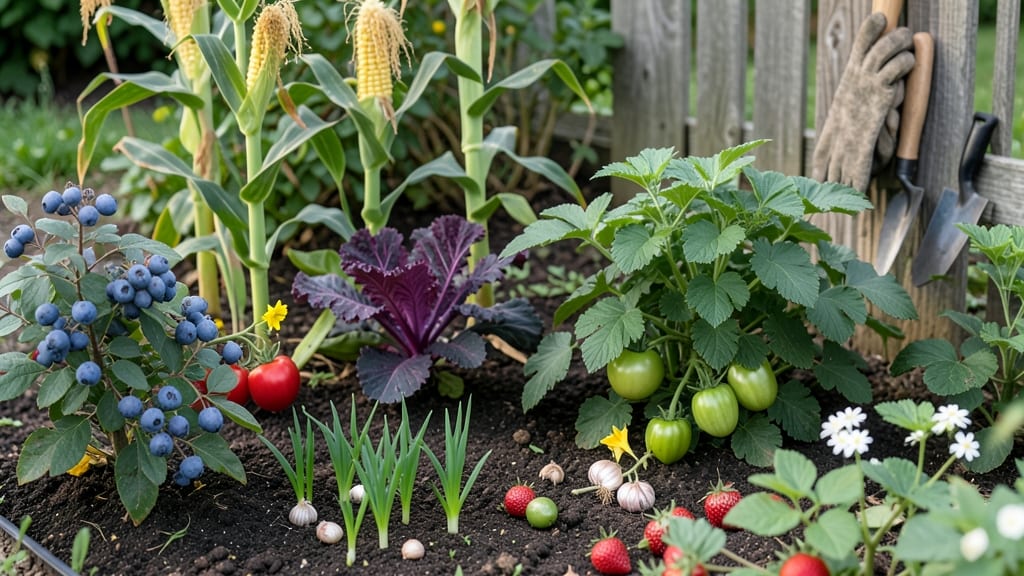
Growing the best fruits and vegetables in Illinois means working with the state’s freezing winters, humid summers, and unpredictable late frosts—but I’ve found the perfect lineup that thrives here. 🌱 From cold-hardy apples that survive Zone 5 winters to zucchini that explodes in summer heat, these crops reward patience with bountiful, flavorful harvests—even for beginners.
The secret isn’t just picking the right plants—it’s timing. Plant potatoes in early spring when soil hits 40°F, set out tomato transplants after Mother’s Day (when frost risk drops), and direct-sow kale in late summer for a winter crop.
My drought-resistant Swiss chard and heat-loving peppers never fail, thanks to these simple adjustments. You’ll end up with homegrown tomatoes sweeter than store-bought, apples crisp enough to sink your teeth into, and zucchini so prolific you’ll share (or can) it all. The best part?
These crops handle Illinois’ soil pH swings and humidity better than anything from a big-box store. Whether you’ve got a backyard plot, a balcony, or just a sunny windowsill, these picks adapt—plus, I’ll share the one trick that saves my plants from late frosts every year.
📚 In This Guide
- What you need
- Instructions
- Tips and common mistakes
- Wrapping up and next steps
What you need
- ● Soil: 6–12 bags of high-quality garden soil (e.g., Miracle-Gro Garden Soil or FoxFarm Ocean Forest) – 1–2 bags per 10 sq. ft.
- ● Compost or aged manure (2–4 cubic feet per 10 sq. ft.) for nutrients 🌿
- ○ Optional: Soil test kit ($10–$20) to check pH and nutrient levels
- ● Containers or Beds: Raised beds (4’x8’ or custom sizes) or 5–10-gallon pots for container gardening
- ○ Garden fabric or landscape cloth ($15–$30) to suppress weeds (optional but helpful)
- ● Seeds & Seedlings: Cold-hardy seeds or seedlings (e.g., kale, spinach, potatoes, strawberries) – 1–2 packets per variety
- ● Seed-starting trays and soil (if sowing indoors early)
- ● Watering Supplies: Hose with adjustable nozzle or watering can (5-gallon minimum)
- ○ Drip irrigation kit ($20–$50) for efficiency (optional)
- ● Tools: Trowel or hand shovel ($5–$15)
- ● Garden fork ($15–$30) for loosening soil
- ● Pruners ($10–$25) for harvesting and trimming
- ● Gloves (heavy-duty for protection)
- ● Fertilizers: Slow-release granules (e.g., Osmocote) or liquid fertilizer (e.g., fish emulsion)
- ● Mulch: Straw or wood chips to retain moisture and regulate soil temp
- ● Row covers: Frost blankets ($10–$20) for early/late-season protection
- ● Trellises or stakes: For vining plants like peas or cucumbers (if growing)
- ● pH adjusters: Lime (to raise pH) or sulfur (to lower pH) if soil test recommends
Step-by-step guide to selecting and planting Illinois’ top cold-hardy crops
Here’s how to pick and grow the most reliable, high-yielding fruits and vegetables for Illinois’ climate—where short seasons demand smart choices.
🌱 Step 1: Choose the Right Crops for Illinois’ Growing Zones
Illinois spans USDA Hardiness Zones 5-6, so focus on crops that thrive in short growing seasons (90-120 days) and cold snaps. My top picks for vegetables include bush beans, kale, Swiss chard, and potatoes—all tolerate frost and heat waves. For fruits, blueberries, raspberries, and apple varieties like ‘Honeycrisp’ handle Illinois’ winters best.
Check your exact zone using the USDA map—this determines when to plant. For example, Zone 5 gardeners should start cool-season crops like spinach in early spring or late summer for fall harvests, while Zone 6 can extend the season slightly. I always plant bush beans in May after the last frost, as they mature in just 50-60 days and avoid late-season pests.
💧 Step 2: Prepare Soil for Illinois’ Heavy Clay and Drainage Challenges
Illinois’ soil is often dense clay, which drains poorly and compacts easily. Amend beds with 3-4 inches of compost and 1-2 inches of coarse sand or perlite to improve aeration and moisture retention. I test soil pH before planting—blueberries need acidic soil (pH 4.5-5.5), while most vegetables prefer 6.0-7.0. Adjust with sulfur or lime as needed.
For raised beds, mix equal parts native soil, compost, and peat moss to create a loose, fertile medium. Mulch with straw or shredded leaves after planting to retain moisture and suppress weeds. In heavy clay, I water deeply once a week (more in summer) and watch for soil crusting—a sign to add more organic matter next season.
☀️ Step 3: Time Planting for Illinois’ Unpredictable Weather
Use last frost dates (typically April 15-May 1 in northern Illinois, March 15-April 1 in southern) to guide planting. Cool-season crops like broccoli and peas go in 4-6 weeks before the last frost, while warm-season plants like tomatoes and peppers need soil temperatures above 60°F—usually mid-May. I plant potatoes in early spring as soon as soil is workable, even if it’s still chilly.
Extend the season with row covers for early spring or black plastic mulch to warm soil faster. For fall harvests, sow spinach and radishes in early August—they’ll mature before hard frosts. Watch the 10-day forecast before transplanting seedlings; a sudden cold snap can stunt growth. I’ve lost entire tomato plants to late frosts, so I always have row covers on hand for emergencies.
✂️ Step 4: Maintain Crops Through Illinois’ Extreme Weather Shifts
Illinois’ humid summers and sudden freezes demand vigilance. Water deeply at the base in the morning to prevent fungal diseases from evening moisture. For fruits, prune raspberries and apple trees in late winter to improve airflow and reduce disease. I also thin fruit (like apples) to 4-6 inches apart—this ensures larger, higher-quality harvests.
Watch for corn earworm and Japanese beetles in summer; use row covers or neem oil for organic control. In fall, harvest before hard frosts (below 28°F)—most vegetables become bitter or mushy afterward. I always pick tomatoes green in late September and ripen them indoors with a banana in the bag for a sweeter taste.
🪴 Step 5: Plan for Year-Round Success with Succession Planting
Illinois’ short season means succession planting is key. After harvesting early spring radishes, replant with bush beans or carrots for a late-summer crop. For kale and spinach, sow seeds every 2-3 weeks from spring to early fall—they’ll survive light frosts and keep producing. I also dedicate a small bed to greens that I harvest as needed, ensuring a steady supply.
Save seeds from heirloom tomatoes and beans for next year—Illinois’ climate is ideal for many open-pollinated varieties. Store seeds in a cool, dry place (like the fridge) until spring. By rotating crops annually, you’ll reduce soil-borne diseases and maintain healthy yields. This method has kept my garden productive for over a decade—no need for expensive fertilizers or pesticides.
Tips & tricks for thriving Illinois garden crops
Mastering Illinois' challenging climate means working with its quirks—not against them. Here's how to turn those short seasons and heavy soils into your garden's greatest strengths.
Zone-Specific Crop Pairing: In Zone 5, pair bush beans (50-60 days to maturity) with Swiss chard—the beans fix nitrogen while the chard thrives in cooler soils. For Zone 6, extend your season by planting Honeycrisp apples alongside kale; the apple trees provide shade that keeps kale crisp through summer heat. The key is matching fast-maturing vegetables with perennial fruits that establish roots early.
Soil Prep Game-Changer: Illinois' clay soil can be transformed with a two-phase approach before planting. First, till in 3-4 inches of compost mixed with 1 part coarse sand to break up compaction. Then top with 2 inches of peat moss—this creates air pockets while retaining moisture. I test soil pH annually because blueberries demand acidity (pH 4.5-5.5), while most vegetables prefer 6.0-7.0. Use sulfur to lower pH gradually over months rather than quick fixes that shock roots.
Weather-Proofing Strategy: Illinois' sudden temperature swings require defensive planting. For warm-season crops like tomatoes, use black plastic mulch to warm soil to 60°F+ faster—this can shave weeks off your growing season. For spinach and radishes in fall, plant 2-3 weeks before first frost (early August in most areas) and cover with floating row covers to extend harvests. The 10-day forecast is your best friend—if a cold snap is predicted, move tender seedlings under cover immediately.
Pest Prevention Insight: Japanese beetles and corn earworm are Illinois' biggest pests, but preventive pruning works better than reactive sprays. Thin apple branches to 4-6 inches apart in late winter—this improves airflow and makes it harder for pests to establish. For vegetables, neem oil applied at dusk (when beetles are most active) disrupts their life cycle without harming beneficial insects. I've found that interplanting herbs like basil with tomatoes repels pests naturally while adding flavor to your harvest.
Pro Tips for Best Fruits And Vegetables To Grow In Illinois
- Mastering Illinois' challenging climate means working with its quirks—not against them.
- Zone-Specific Crop Pairing: In Zone 5, pair bush beans (50-60 days to maturity) with Swiss chard—the beans fix nitrogen while the chard thrives in cooler soils.
- Soil Prep Game-Changer: Illinois' clay soil can be transformed with a two-phase approach before planting.
Frequently asked questions
Got questions about growing the best fruits and vegetables in Illinois?
You’re not alone! Here are answers to the most common queries from gardeners—whether you're a beginner or a seasoned green thumb.
What’s the best time to plant in Illinois?
Illinois’ growing season varies by crop, but cool-season veggies (like kale or peas) thrive when planted in early spring (March–April) or fall (August–September). Warm-season crops (tomatoes, peppers) need to wait until after the last frost (mid-May). Check your USDA Plant Hardiness Zone (5–7 in most of IL) for precision!
Can I grow fruits/veggies in Illinois winters?
Cold-hardy crops
like kale, spinach, carrots, and apples survive (or even thrive) in IL winters. Use row covers, mulch, or cold frames to extend the season. For tender plants, harvest before frost or grow in containers and move indoors.
What’s the easiest vegetable to grow for beginners?
Start with lettuce, radishes, or green beans—they’re fast-growing, forgiving, and low-maintenance. Herbs like basil or parsley are also great for small spaces. Avoid picky crops (like eggplants) until you’re comfortable with soil and watering basics!
How do I deal with pests in Illinois gardens?
Common IL pests include Japanese beetles, squash bugs, and aphids. Prevent with:
- Neem oil or soapy water sprays (organic options)
- Row covers to block flying insects
- Crop rotation to disrupt pest life cycles
- Handpick larger pests (like tomato hornworms) early!
If infestations persist, identify the pest (check University of IL Extension) before treating.
What’s a good substitute if my crop fails?
Don’t stress—swap struggling plants with these IL-friendly backup crops:
Failed Crop
Easy Substitute
Tomatoes (blight)
Peppers or green beans (both heat-tolerant)
Carrots (rocky soil)
Radishes or beets (faster, more adaptable)
Strawberries (disease)
Raspberries or blueberries (in acidic soil)
Pro tip: Try “cut-and-come-again” greens (like Swiss chard) for continuous harvests if one planting flops!
Wrapping up and next steps
Growing your own fruits and vegetables in Illinois is not only rewarding but also a fantastic way to enjoy fresh, homegrown produce—even in cooler climates! From hearty kale and potatoes to sweet apples and blueberries, the best crops for your garden thrive with the right preparation and care.
Whether you're a beginner or a seasoned gardener, starting small with these cold-hardy plants can set you up for a bountiful harvest.
Ready to get started? Take the next step by sketching your garden layout, gathering supplies, and planting your first seeds or seedlings this spring! 🌱 Your future harvest—and delicious meals—await!