
Pruning
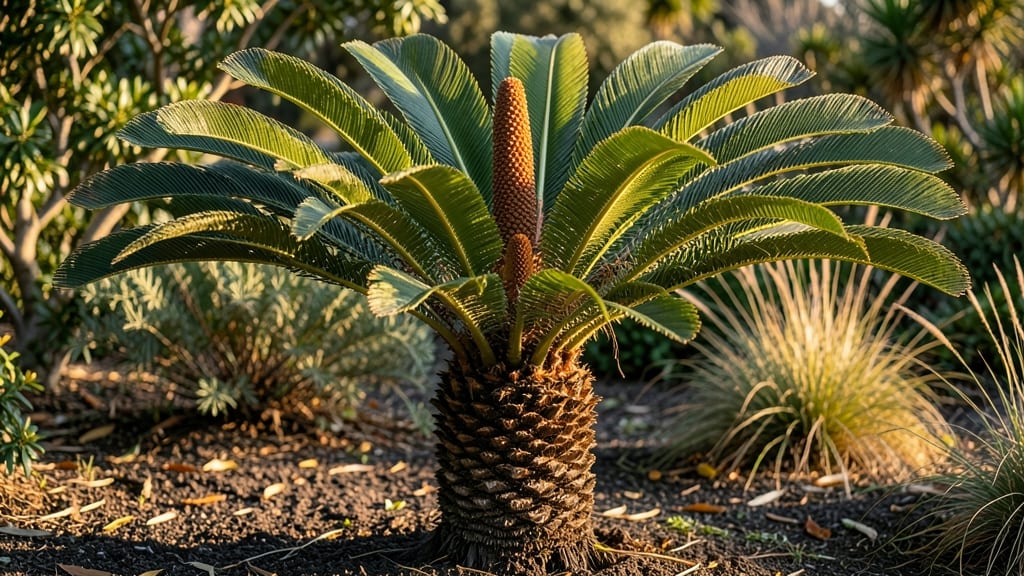
Growing an atis fruit tree means sweet, custard-like fruit year-round—if you prune like a pro. 🌿 I’ve watched my atis tree go from a scraggly sapling to a productive powerhouse by mastering just three pruning cuts that keep it flowering and fruiting all season long.
The secret isn’t complicated: it’s about timing, light, and knowing which branches to encourage (and which to cut). The tree thrives in partial shade and well-draining soil, but pruning is where the magic happens.
You’ll focus on open-center shaping—removing inward-growing branches first, then thinning out crowded spots to let sunlight hit the center. This isn’t just about aesthetics; it’s about fruit production.
A properly pruned atis tree can yield 200+ pounds of fruit per year once mature, and the harvest stretches from spring through fall if you prune correctly. What you’ll end up with is a tree that’s easy to maintain, resistant to disease, and packed with fruit.
The first harvest will surprise you—creamy, sweet fruit that tastes like dessert straight from the tree. And the best part? Once you nail the pruning rhythm, the tree practically takes care of itself.
Works in USDA zones 10-12, but with the right pruning, you can even grow it in containers for cooler climates. Let’s get those branches trimmed and that fruit flowing!
📚 In This Guide
- What you need
- Instructions
- Tips and common mistakes
- Wrapping up and next steps
What you need
- ● Atis Fruit Tree Saplings: 1-2 healthy, disease-free saplings (age 1-2 years, 3-4 ft tall)
- ● Pro tip: Choose saplings grafted for better fruit quality! 🌟
- ● Soil & Fertilizers: Well-draining, slightly acidic soil (pH 5.5-6.5)
- ● Compost or organic matter (5-10 lbs per planting hole)
- ● Balanced fertilizer (10-10-10 NPK ratio, 1 lb per tree)
- ○ Citrus-specific fertilizer (optional, for micronutrients)
- ● Pruning Tools: Sharp bypass pruners (for clean cuts on branches < ½ inch thick)
- ● Loppers (for branches ½–1.5 inches thick)
- ● Pruning saw (for thick branches > 1.5 inches)
- ● Disinfectant (rubbing alcohol or 10% bleach solution, for sterilizing tools)
- ● Planting & Maintenance Supplies: 5-gallon bucket or planting hole (1.5x wider than root ball)
- ● Mulch (straw or wood chips, 2-3 inches thick)
- ● Drip irrigation system or watering can (10+ gallons capacity)
- ● Support stakes (2-3 bamboo stakes, 5-6 ft tall, for young trees)
- ● Tree growth regulator (e.g., paclobutrazol, to control excessive growth)
- ● Pest control: Neem oil or insecticidal soap (for aphids/mites)
- ● Fruit thinning shears (for managing overloaded branches)
- ● Soil moisture meter (to monitor watering needs)
- ● Grafting tools (if propagating from cuttings)
Instructions: precision pruning for year-round atis fruit production
Here's the exact pruning schedule and technique I use to keep my atis tree producing fruit continuously.
🌱 Step 1: Identify and Remove Dead or Diseased Wood First
Start your pruning in late winter or early spring before new growth begins. Look for branches that are completely brown inside and out, or those with blackened, mushy wood—these are dead and must go. I use sharp, sterilized pruning shears to make clean cuts just outside the branch collar where the branch meets the trunk.
This isn't just about looks—removing dead wood prevents disease from spreading to healthy branches. Watch for small holes or cracks in the bark where pests might enter, and cut those branches back to healthy growth. You'll know you're doing it right when the cut surface is smooth and white, not jagged or brown.
✂️ Step 2: Thin the Canopy for Better Air Circulation
Atis trees produce more fruit when they receive proper airflow and sunlight. Step back and look at your tree's shape—aim to create an open center that lets light reach all branches. Remove any branches that cross each other or rub against one another, as these create wounds and invite disease.
Focus on removing branches that grow inward or downward, as these block light and air from reaching the center. I like to keep about 6-8 main scaffold branches evenly spaced around the trunk. These branches should be spaced about 12-18 inches apart and angled outward to form a natural vase shape.
☀️ Step 3: Prune for Fruit Production in Two Stages
The key to year-round harvest is strategic pruning in two phases: light pruning after harvest and heavy pruning in late winter. After you pick fruit, trim back any branches that bore fruit to encourage new growth. Cut back to a leaf bud or lateral branch—this stimulates the tree to produce new shoots that will bear next season's fruit.
In late winter, prune more aggressively to shape the tree and encourage flowering. Cut back any branches that grew too long or became leggy during the previous season. Aim to leave 4-6 strong, healthy branches on each main scaffold branch. You'll see new growth sprouting within 2-3 weeks—this is your signal that the pruning worked.
🪴 Step 4: Prune for Shape and Structure During Growing Season
Throughout the growing season, keep an eye out for suckers—these are vigorous shoots that grow from the base of the tree or along the trunk. Remove these immediately, as they drain energy from the main tree. Also, trim back any branches that grow too close together to maintain an open canopy.
Watch for water sprouts—these are fast-growing, vertical shoots that often appear after pruning. These shoots don't produce fruit and can weaken the tree, so prune them back to a lateral branch as soon as you spot them. Regular maintenance like this keeps your atis tree healthy, productive, and easy to harvest from.
⏰ Step 5: Time Your Final Pruning for Late Winter Dormancy
The most critical pruning happens when the tree is dormant, typically in late January or February before buds swell. This is when the tree is least stressed and can heal quickly. Prune just before the first warm spell to encourage new growth as temperatures rise.
After your final pruning, apply a layer of 2-3 inches of organic mulch around the base of the tree (but not touching the trunk) to retain moisture and regulate soil temperature. Water deeply after pruning to help the tree recover. You'll see new leaves and flowers emerging within 4-6 weeks, signaling that your pruning paid off.
Tips & tricks for perfect atis fruit tree pruning
Mastering atis fruit tree pruning takes patience—and these refined techniques will help you avoid common pitfalls while maximizing your harvest.
Tool Preparation: Sterilize your pruning shears with rubbing alcohol between cuts to prevent spreading disease. I learned this the hard way after losing branches to fungal infections. A clean cut also heals faster, which is crucial for atis trees that need to recover quickly between harvests. For larger branches, use a pruning saw with a fine-toothed blade to avoid tearing the bark.
Visual Pruning Cues: In Step 2, when thinning the canopy, look for branches with a V-shaped crotch when viewed from above—these are structurally sound and will support fruit. Avoid cutting branches that grow at sharp angles (greater than 45 degrees) as they're more likely to break under fruit weight. The goal is to create an open vase shape where sunlight reaches the center without overcrowding.
Seasonal Timing Strategy: The late winter pruning window in Step 5 is non-negotiable for atis trees. If you miss this timing, wait until early spring when buds begin to swell—but never prune after new growth appears. I've seen trees stressed by late pruning take up to 6 weeks to recover, delaying fruit production. Mark your calendar for late January or February to stay on track.
Pro Tips for Atis Fruit Tree
- Mastering atis fruit tree pruning takes patience—and these refined techniques will help you avoid common pitfalls whi...
- Tool Preparation: Sterilize your pruning shears with rubbing alcohol between cuts to prevent spreading disease. I lea...
- Visual Pruning Cues: In Step 2, when thinning the canopy, look for branches with a V-shaped crotch when viewed from a...
Frequently asked questions
Got questions about growing and maintaining your atis fruit tree? You’re not alone! Here are answers to the most common queries to help you cultivate a thriving tree with minimal stress.
How often should I prune my atis fruit tree?
Prune your atis tree twice a year: once during the dry season (to shape and remove dead branches) and again after harvest (to encourage new growth). Light trimming between seasons keeps it healthy without overstressing the tree. Pro tip: Avoid heavy pruning during the rainy season to prevent disease.
When is the best time to harvest atis fruit?
The harvest window is tight! Pick atis when the fruit turns a bright yellow-green and yields slightly to gentle pressure. Harvest in the morning for peak sweetness and texture. Overripe fruit becomes mushy—so act fast! Most regions enjoy harvests from September to February, but climate varies.
Can I grow an atis tree in a pot? Is it possible?
Yes, but with limitations. Atis trees thrive in large containers (minimum 24" diameter) for 2–3 years, but they’re not long-term pot plants. Ensure drainage holes, well-draining soil, and full sun. For permanent growth, transplant to the ground once established. Warning: Potted trees may produce smaller yields.
What pests should I watch for, and how do I treat them?
Common pests include fruit borers (chew holes in fruit) and aphids (sticky residue). For borers, handpick or use neem oil sprays. Aphids? Blast them off with water or apply soapy water. Prevention tip: Keep the area around the tree clean to deter infestations.
How do I protect my atis tree from extreme heat or cold?
Atis trees prefer warm climates (75–85°F) but can tolerate brief dips to 30°F. In heatwaves, mulch the soil and water deeply at dawn. For cold snaps, wrap young trees in burlap or use frost cloth. Mature trees usually recover, but avoid pruning during frost—wait until spring.
Wrapping up and next steps
Growing an atis fruit tree with precision pruning isn’t just about skill—it’s about patience, observation, and a little love for nature’s bounty. 🌿 By mastering the art of year-round care, you’ll unlock a harvest that’s not only abundant but also healthier and more manageable.
Whether you’re trimming for shape, fruit yield, or disease prevention, every snip brings you closer to a thriving tree and a pantry full of delicious atis!
Ready to take the next step? Start small—pick one pruning technique from this guide and practice it this season. Over time, you’ll build confidence, and before you know it, your atis tree will be the star of your garden (and your kitchen!). Happy pruning! ✂️🍈