
Trees
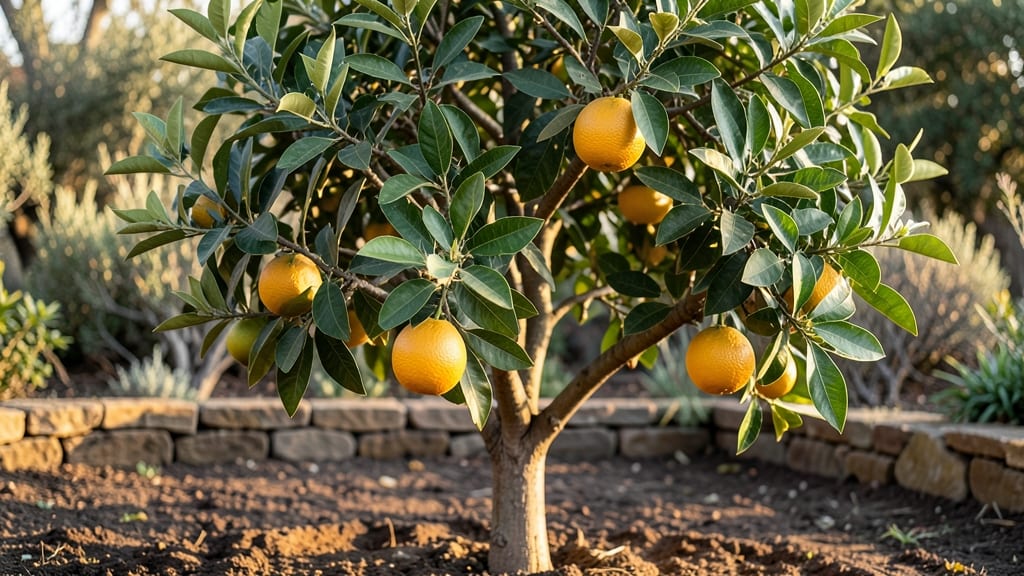
Arizona grapefruit trees thrive where others can't—under our brutal sun and in soil that feels like sandpaper. 🌵 I've grown them for years, and the secret isn't just choosing the right variety (like the frost-resistant 'Rio Red' or the ultra-sweet 'Melogold'), but understanding how to push back against our desert's extremes.
The first lesson? Planting in well-draining soil with a 3-foot diameter root zone keeps roots cool and prevents rot. Mulch with 3-4 inches of wood chips to lock in moisture and block the sun's worst heat.
Watering feels counterintuitive—deep soaks twice a week in summer, then cutting back to monthly in winter when the tree's dormant.
You'll see fruit in 3-5 years, but the real magic happens when you prune strategically: open the canopy to let sunlight reach all branches, and thin out crowded growth to prevent disease.
The trees handle our pests better than most citrus, but watch for citrus leaf miners—tiny but devastating. For beginners, the biggest mistake is overwatering. Let the soil dry between waterings, and you'll avoid the root rot that kills so many desert citrus trees. The payoff?
Juicy, sun-ripened grapefruits from December through May—when every other tree in town is struggling.
📚 In This Guide
- What you need
- Instructions
- Tips and common mistakes
- Wrapping up and next steps
What you need
- ● Grapefruit tree varieties: Choose cold-hardy Arizona-friendly types like Rio Red, Marsh Ruby, or Redblush (1-3 trees for home gardens).
- ● Well-draining soil: 50% native soil + 50% compost or citrus-specific potting mix (avoid clay-heavy soils).
- ● Container (if potted): 15-20 gallon pot with drainage holes (for dwarf varieties) or in-ground planting space (for standard trees).
- ● Citrus fertilizer: Balanced 6-6-6 or organic options like fish emulsion (apply every 4-6 weeks during growing season).
- ● Mulch: 2-3 inches of wood chips or straw to retain moisture and regulate soil temp.
- ● Drip irrigation system: Essential for Arizona’s heat—ensure slow, deep watering (1-2 inches/week).
- ● Hand trowel & shovel (for planting/potting).
- ● Pruning shears (sterilized with rubbing alcohol).
- ● pH testing kit (ideal range: 6.0–7.0; adjust with lime or sulfur if needed).
- ● Frost cloth or windbreak (for young trees in cooler Arizona valleys).
- ● Pest control: Neem oil (organic) or horticultural oil (for scale/aphids).
- ● Tree stakes & ties (if planting in windy areas).
How to grow Arizona grapefruit trees for reliable harvests
Here's my battle-tested approach to growing thriving grapefruit trees in Arizona's intense sun.
🌱 Step 1: Select the Right Variety and Planting Site
Choose cold-hardy varieties like 'Rio Red' or 'Marsh' grapefruit that thrive in Arizona's climate. These varieties tolerate heat better than standard grapefruits and produce fruit reliably year-round. Look for 2-3 year old trees at local nurseries—they'll establish faster than seedlings.
Plant in full sun locations with at least 6-8 hours of direct sunlight daily. Arizona's low humidity and intense sun mean your tree will need protection from afternoon heat. I recommend planting against a north-facing wall or under 50% shade cloth during peak summer afternoons (2-5 PM). The soil should drain well—grapefruit roots rot quickly in soggy conditions.
🪴 Step 2: Prepare the Planting Hole and Amend Soil
Dig a hole twice as wide as the root ball but only as deep. The top of the root ball should sit 1-2 inches above ground level—this prevents water from pooling around the trunk. Arizona's alkaline soil needs amendment: mix equal parts native soil, compost, and coarse sand in the hole.
Add 3-4 cups of citrus-specific fertilizer (high in nitrogen and micronutrients) to the bottom of the hole. Water the hole thoroughly 24 hours before planting so the soil settles. This prevents compaction when you place the tree in. I always check soil moisture by squeezing a handful—it should hold together but not be dripping wet.
☀️ Step 3: Plant and Establish Proper Watering Routine
Gently remove the tree from its container and loosen any circling roots with your fingers. Place it in the hole so the graft union (visible bump near the base) sits 2-3 inches above soil level. Backfill with your amended soil mix, tamping lightly every 2 inches to eliminate air pockets.
Water deeply immediately after planting—about 10 gallons for a small tree. This settles the soil and eliminates air gaps. For the first 3 months, water 2-3 times weekly during Arizona's hot months (April-September), then taper to weekly deep waterings once established. You'll know it's time to water when the top 4-6 inches of soil feel dry to the touch.
✂️ Step 4: Prune for Shape and Fruit Production
Prune young trees in late winter (February) to remove dead, crossing, or inward-growing branches. I aim for an open-center shape that allows sunlight to reach the center of the tree. Never remove more than 25% of the canopy in one pruning session—this stresses the tree and reduces fruit production.
Thin fruit clusters to 6-8 inches apart when they're golf-ball sized (about 3 months after flowering). This ensures larger, higher-quality fruit. Remove any fruit growing near the trunk or in dense clusters. You'll see new growth flushes appear within 2-3 weeks of pruning—this is your signal the tree is responding well.
💧 Step 5: Maintain Soil Health and Pest Control
Apply 2-3 inches of mulch (wood chips or straw) around the base, keeping it 6 inches away from the trunk. This conserves moisture and regulates soil temperature. In Arizona, we top-dress with citrus fertilizer every 3 months (spring, summer, fall) using a 16-6-8 ratio formula. Always water deeply before and after fertilizing to prevent root burn.
Watch for citrus leaf miners and scale insects—common Arizona pests. Treat with neem oil spray every 2 weeks during peak growing season (May-September). I apply it in the early morning when humidity is highest for maximum effectiveness. Healthy trees rarely have major pest issues, so focus on proper watering and fertilization first.
Tips & tricks for perfect Arizona grapefruit trees
These battle-tested insights will help you avoid common pitfalls and maximize your grapefruit harvest in Arizona's challenging climate.
Variety Selection: While 'Rio Red' and 'Marsh' are excellent choices, consider 'Ruby Red' for its sweeter taste if you're willing to invest in a slightly less heat-tolerant variety. The key is to always choose trees labeled as "cold-hardy" for Arizona's winter lows—some standard grapefruit varieties won't survive our occasional cold snaps. I've seen firsthand how non-hardy varieties struggle after just one unexpected frost.
Heat Protection Strategy: That 50% shade cloth during peak afternoons (2-5 PM) is non-negotiable in Arizona's summer heat. I recommend using a lightweight, breathable shade cloth rather than solid shade—citrus trees still need sunlight for photosynthesis. You'll notice the difference in leaf burn reduction after just one week of proper shade implementation. For container-grown trees, move them to shaded areas during the hottest part of the day.
Soil Amendment Insight: The equal parts native soil, compost, and coarse sand mix is crucial for drainage, but don't stop there. Test your soil's pH—citrus prefers slightly acidic soil (6.0-7.0). Arizona's alkaline soil often needs adjustment, and you can add sulfur to lower the pH if needed. I always test before amending to avoid overcorrecting, which can harm the tree.
Watering Wisdom: The 10-gallon deep watering immediately after planting is just the beginning. For the first three months, I set a timer to water every other day at dawn to prevent evaporation. Use drip irrigation if possible—it delivers water directly to the roots where it's needed most. Watch those top 4-6 inches of soil like a hawk; Arizona's dry air means moisture evaporates faster than you might expect, even with proper mulching.
Pro Tips for Arizona Grapefruit Trees
- These battle-tested insights will help you avoid common pitfalls and maximize your grapefruit harvest in Arizona's challenging climate.
- Variety Selection: While 'Rio Red' and 'Marsh' are excellent choices, consider 'Ruby Red' for its sweeter taste if you're willing to invest in a slightly less heat-tolerant variety.
- Heat Protection Strategy: That 50% shade cloth during peak afternoons (2-5 PM) is non-negotiable in Arizona's summer heat.
Frequently asked questions
Got questions about growing Arizona grapefruit trees? You’re in the right place! Here are answers to the most common queries from gardeners ready to cultivate these sun-loving citrus gems.
When is the best time to plant Arizona grapefruit trees?
Plant your grapefruit tree in late winter or early spring (February–March) to give roots time to establish before Arizona’s scorching summer heat. Avoid planting in fall—cool nights can stress young trees. If buying a potted tree, transplant anytime except during extreme cold (<32°F).
How cold can Arizona grapefruit trees tolerate?
Arizona grapefruit trees thrive in USDA Zones 9b–11, surviving brief dips to 25–28°F if healthy. For colder areas (like Flagstaff), grow in containers and move indoors during winter. Young trees are more vulnerable—wrap trunks with burlap for extra protection.
How often should I water grapefruit trees in Arizona’s heat?
Water deeply 2–3 times per week during summer (check soil moisture 2–3 inches down—it should be slightly dry). Reduce to once a week in cooler months. Drip irrigation is ideal to avoid wetting foliage (which promotes fungal diseases). Mulch around the base to retain moisture.
Why aren’t my grapefruit trees bearing fruit?
Common reasons include:
- Age: Trees need 3–5 years to produce fruit.
- Pollination: Grapefruits are self-pollinating, but cross-pollination (planting 2 varieties nearby) can boost yields.
- Nutrients: Test soil for nitrogen, phosphorus, and potassium—lack of zinc or iron can stunt growth.
- Sun/Water Stress: Ensure 6+ hours of full sun and consistent moisture.
If issues persist, consult a local Arizona Cooperative Extension office for soil testing.
Can I grow grapefruit trees in containers in Arizona?
Use a large pot (15+ gallons) with drainage holes and citrus-specific potting mix. Choose dwarf varieties like ‘Ruby Red’ or ‘Oroblanco’ for smaller spaces. Move containers to partial shade if temperatures exceed 100°F to prevent root burn.
Wrapping up and next steps
Growing Arizona grapefruit trees is a rewarding way to enjoy fresh, tangy fruit year-round while adding beauty to your landscape. With the right variety—like the sun-loving Rio Red or Marsh—proper soil, and consistent care, you’ll be harvesting juicy citrus in no time. 🌞
Ready to take the next step? Start by selecting your tree, prepping your soil, and planting with confidence. Whether you’re a seasoned gardener or a beginner, your grapefruit tree will thrive with patience and passion. Happy planting—your future harvests await! 🍊✨