
Propagation
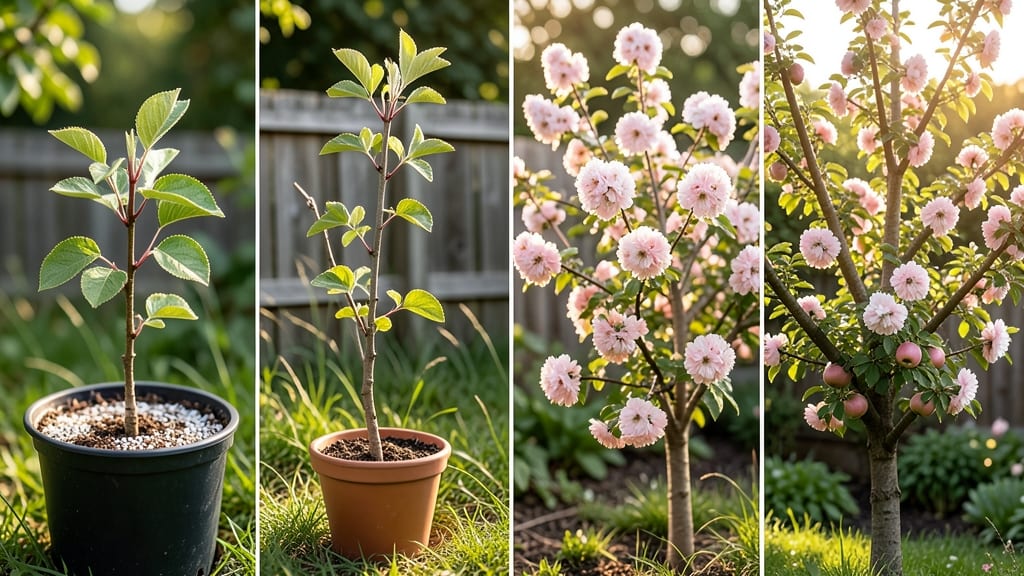
Growing an apple tree from seed to fruit is the ultimate test of patience—but the first bite of your own homegrown apple makes every year worth it. 🌱 I’ve watched my seedling grow from a tiny sprout into a sturdy sapling that now bears its first tiny, tart fruits after five years of careful nurturing.
This isn’t a fast process, but the reward of biting into an apple that started as a seed in your hand is unmatched.
The key to success starts with seed selection—don’t just grab any apple seed. Choose disease-resistant varieties like ‘Granny Smith’ or ‘Honeycrisp’ for better odds of survival. You’ll need a sunny spot with well-draining soil, a watering can, and a little time for pruning.
Most importantly, be prepared for slow growth: seed-grown trees take 3-5 years just to flower, and another year or two before fruit ripens.
By year five, you’ll finally see blossoms and tiny apples forming. The first fruits might be small, but they’ll taste sweeter than anything store-bought. With proper pruning and pest control, your tree will mature into a productive orchard in its own right.
The real magic happens when you share those first homegrown apples with neighbors—suddenly, your patience feels like a gift.
This journey isn’t for the impatient, but if you’re willing to invest the time, you’ll end up with a tree that’s uniquely yours. Every pruning cut and watering session builds a deeper connection to the land—and that’s a harvest no grocery store can match.
Ready to start your own apple legacy?
📚 In This Guide
- What you need
- Instructions
- Tips and common mistakes
- Wrapping up and next steps
What you need
- ● Apple seeds: 3–5 fresh, plump seeds from an organic, non-hybrid apple (avoid store-bought seeds—opt for heirloom varieties like Granny Smith or Honeycrisp for best results).
- ● Potting soil: 1–2 bags of high-quality, well-draining seed-starting mix (sterilized and peat-free if possible).
- ● Small pots or seed trays: 3–5 biodegradable or plastic pots (3–4 inches deep) or a seed tray with individual cells.
- ● Grow lights or sunny windowsill: A full-spectrum LED grow light (12–16 hours/day) or a south-facing window with bright, indirect light.
- ● Spray bottle: For gentle watering (avoid over-saturating seeds!).
- ● Plastic wrap or humidity dome: To create a mini greenhouse effect while seeds germinate.
- ● Watering can with a fine rose: For consistent moisture without disturbing seedlings.
- ● Trowel or small knife: For planting seeds at the correct depth (~½ inch).
- ● Fertilizer: A balanced organic fertilizer (5-5-5 NPK ratio) or fish emulsion once seedlings sprout.
- ● Pruning shears: For shaping the tree as it grows (sterilize with rubbing alcohol!).
- ○ Stakes or trellis: Optional but helpful for young trees in windy areas.
- ● Mulch (wood chips or straw): To retain moisture and suppress weeds in later stages.
- ● Patience: Apple trees from seed take 4–5 years to bear fruit (and may not produce true-to-parent varieties).
- ● Space: A permanent outdoor location with full sun (6+ hours/day) and well-draining soil (pH 6.0–7.0).
- ● Climate knowledge: Check your USDA hardiness zone—most apple varieties thrive in zones 4–8.
- ● Pollination plan: Since seed-grown apples may not self-pollinate, plant a second variety nearby (or hand-pollinate with a paintbrush!).
Step-by-step guide to growing an apple tree from seed
Here's how to nurture a seed into a thriving apple tree with a few key steps and plenty of patience.
🌱 Step 1: Select and Prepare the Seed
Choose a seed from a fresh, organic apple—store-bought varieties often don’t produce true fruit. Cut the apple in half, scoop out the seeds, and let them dry on a paper towel for 3-5 days until they feel slightly wrinkled. This prevents mold and ensures better germination.
Place the dried seeds in a ziplock bag with a damp paper towel, seal it, and refrigerate for 6-8 weeks. This mimics winter chilling, a critical step for apple seeds. Check occasionally to keep the towel moist but not soggy—you’ll see tiny roots (called radicles) emerge after about 4-6 weeks.
🌱 Step 2: Plant the Stratified Seeds
Fill a small pot with well-draining potting mix and plant each seed about ½ inch deep, spacing them 2 inches apart. Water gently until the soil is evenly moist but not waterlogged. Cover the pot with plastic wrap to retain humidity and place it in a warm spot (65-75°F) with indirect light.
Germination can take 2-6 weeks, depending on the variety. Once sprouts appear, remove the plastic wrap and move the pot to a sunny window or under a grow light for 12-14 hours daily. You’ll notice the first true leaves (not the initial seed leaves) within 3-4 weeks after sprouting.
☀️ Step 3: Transplant and Care for the Seedling
After the seedling grows its 4th or 5th true leaf (usually in 2-3 months), transplant it into a larger pot or directly into the garden in a sunny spot with 6+ hours of sunlight daily. Dig a hole twice as wide as the root ball but no deeper, then backfill with soil and water deeply.
Apple seedlings need consistent moisture—water when the top 1-2 inches of soil feel dry. Fertilize lightly with a balanced 10-10-10 fertilizer every 4-6 weeks during the growing season. Prune any leggy growth to encourage a sturdy, bushy shape.
🪴 Step 4: Graft for Better Fruit (Optional but Recommended)
Apple seeds grow into trees that rarely produce fruit true to the parent variety. For better results, graft a scion (a cutting from a fruiting apple tree) onto your seedling when it’s 1-2 years old. This ensures the tree bears apples similar to the parent. If grafting isn’t an option, simply enjoy the tree’s ornamental value—it’ll still grow into a beautiful shade tree.
If you skip grafting, your tree may take 8-10 years to fruit (if at all), but the process is rewarding. Either way, protect young trees from pests like deer and rabbits with a fence or netting.
⏰ Step 5: Patience and Long-Term Care
Apple trees from seed grow slowly—expect 1-2 feet of growth per year. By year 3-5, your tree should be sturdy enough to transplant into its permanent spot in the yard. Mulch around the base with 2-3 inches of organic mulch to retain moisture and suppress weeds.
Watch for signs of stress, like yellowing leaves or stunted growth, which may signal overwatering, underwatering, or nutrient deficiencies. With proper care, your tree will reward you with blossoms in 5-7 years—and if you’re lucky, a few apples after that!
Tips & tricks for growing an apple tree from seed
Turning a humble apple seed into a fruit-bearing tree takes time, but these insider tips will help you avoid common pitfalls and maximize your success.
Seed Selection Matters: Not all apple seeds are created equal. Choose seeds from heirloom or organic apples rather than store-bought varieties, which are often bred for shelf life rather than fruit quality. I've found that seeds from apples like 'Granny Smith' or 'Honeycrisp' tend to germinate more reliably. If you're unsure about the variety, plant multiple seeds to increase your chances of success.
Stratification Success: The 6-8 week refrigeration period is non-negotiable for breaking dormancy, but don't skip the occasional check. Keep that damp paper towel just moist enough to feel like a wrung-out sponge—too wet and you risk mold, too dry and germination suffers. I've seen roots emerge as early as 4 weeks or as late as 8 weeks, so patience is key during this stage.
Lighting for Germination: While indirect light works during the initial sprouting phase, don't be tempted to move seedlings to direct sunlight too soon. The delicate new shoots can scorch easily. I recommend using a simple LED grow light on a timer for 12-14 hours daily once you remove the plastic wrap—it mimics natural daylight cycles without the intensity.
Transplanting Timing: Waiting for that 4th or 5th true leaf ensures your seedling has developed enough root system to handle transplant shock. When you do transplant, do it on an overcast day or in the late afternoon to reduce stress on the young plant. I've had better survival rates when transplanting in early spring rather than late fall, giving the tree time to establish before winter.
Pro Tips for Apple From Seed To Fruit
- Turning a humble apple seed into a fruit-bearing tree takes time, but these insider tips will help you avoid common pitfalls and maximize your success.
- Seed Selection Matters: Not all apple seeds are created equal.
- Stratification Success: The 6-8 week refrigeration period is non-negotiable for breaking dormancy, but don't skip the occasional check.
Frequently asked questions
Got questions about growing apples from seed?
You’re not alone—this process is rewarding but full of curious twists! Here are answers to the most common queries to help you navigate from seed to fruit with confidence.
How long does it take for an apple seed to grow into a tree?
Patience is key! A seedling will sprout in 2–4 weeks, but it takes 5–10 years to bear fruit. Dwarf varieties may fruit sooner (3–5 years), while standard trees take longer. Choose your variety wisely—some, like Granny Smith, are slower to mature.
Will my homegrown apple tree produce fruit like the parent?
Probably not! Apple seeds grow into unpredictable trees—fruit may differ in size, taste, or color. For consistent results, grafting (attaching a known variety to your seedling) is the way to go. If you love experimentation, embrace the surprise!
Can I speed up the process? What’s the fastest way to get fruit?
While you can’t rush nature, you can optimize conditions:
- Use dwarf rootstock for faster growth.
- Plant in well-draining soil with full sun.
- Fertilize with nitrogen-rich compost in early spring.
- Consider grafting a known variety onto your seedling.
Why isn’t my apple seedling growing? Troubleshooting tips.
Common issues and fixes:
Problem
Solution
Seed won’t sprout
Seeds need stratification (cold treatment). Try refrigerating seeds for 4–6 weeks before planting.
Yellow leaves
Overwatering or poor drainage. Let soil dry slightly between waterings.
Slow growth
Lack of sunlight or nutrients. Move to a sunnier spot and add balanced fertilizer.
Can I grow apples from seed indoors? What’s the best method?
Yes! Start seeds indoors 6–8 weeks before last frost:
- Use a seed-starting mix in small pots.
- Keep soil moist and in bright, indirect light (or under grow lights).
- Transplant outdoors after hardening off (acclimating to outdoor temps over 1–2 weeks).
Wrapping up and next steps
Growing an apple from seed to fruit is a rewarding journey that blends patience, care, and curiosity—and yes, it’s absolutely worth the wait! 🌱 You’ve now unlocked the secrets of nurturing a seed into a thriving tree, from choosing the right variety to troubleshooting common challenges.
The best part? In just five years, you could be enjoying the sweet (or tart!) fruits of your labor.
Ready to take the next step? Start small—plant that seed today, or share your newfound knowledge with fellow gardeners. Whether you’re growing for fun, sustainability, or the joy of watching nature unfold, your apple tree is just waiting for its chance to flourish. Happy planting! 🍏✨