
Planting
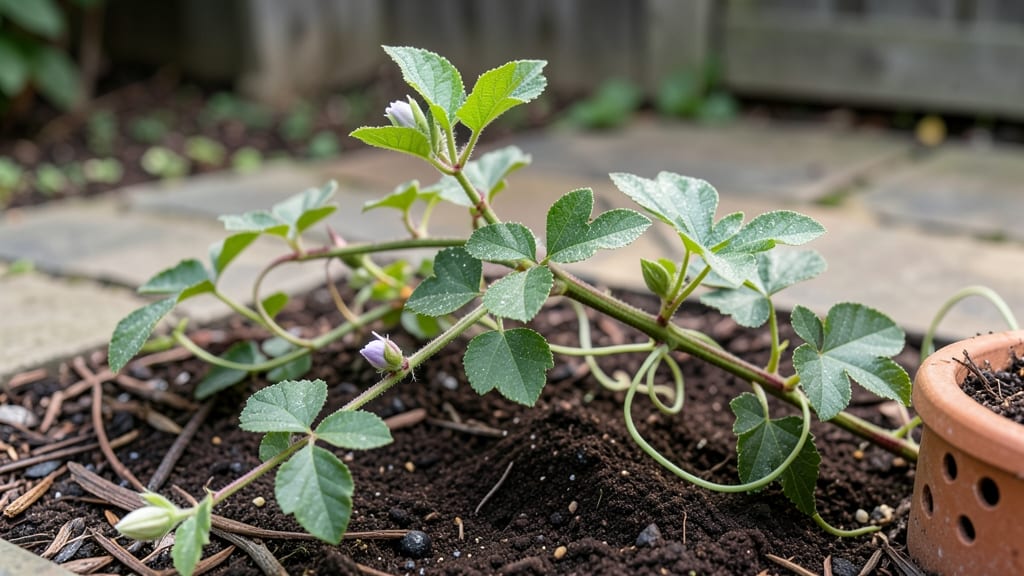
Your young passion fruit plant could produce its first fruit in just six months—if you nail the early care. 🌱 The secret lies in mimicking its tropical roots: warm soil, consistent moisture, and a sturdy trellis to guide its vigorous growth.
Most beginners overwater or underfeed, which stunts development, but I've perfected a simple routine that keeps these plants thriving from day one.
Start with well-draining soil mixed with compost—passion vines hate soggy roots. A 5-gallon pot works for the first year, and stake it immediately with a 6-foot trellis to prevent sprawling.
Water deeply 2-3 times per week, letting the top inch dry between sessions, and fertilize every 4-6 weeks with a balanced organic mix. The key is patience: young vines focus on roots first, so don’t expect blooms until month 3.
By month 6, you’ll see 3-5-foot vines with lush, three-lobed leaves—and maybe even your first tiny flowers. Prune leggy growth to encourage bushier structure, and watch as those tendrils latch onto the trellis like a jungle explorer.
The payoff? Sweet, fragrant fruit that tastes nothing like store-bought, all from a plant that fits on your balcony.
Works in zones 8-11 (or containers indoors elsewhere), and even black thumbs can’t kill these with basic care. Here’s how to set it up right the first time—no guesswork, just results.
📚 In This Guide
- What you need
- Instructions
- Tips and common mistakes
- Wrapping up and next steps
What you need
- ● Passion fruit seeds – 3–5 fresh, viable seeds (harvested from ripe fruit or purchased from a reputable supplier).
- ● Seed-starting mix – 1–2 gallons of lightweight, well-draining potting soil (sterilized to prevent disease).
- ● Containers – 4–6 small pots (4–6 inches deep) with drainage holes, or seed trays with individual cells.
- ● Growing medium – 1–2 gallons of nutrient-rich soil blend (50% potting mix + 50% compost or coconut coir).
- ● Watering can or spray bottle – For gentle, consistent hydration.
- ● Fertilizer – Balanced liquid fertilizer (10-10-10 or 20-20-20) or organic options like compost tea or worm castings.
- ● Sunlight access – A sunny windowsill, grow light, or outdoor space with 6+ hours of indirect light daily.
- ○ Humidity dome or plastic wrap – To retain moisture during germination (optional but helpful in dry climates).
- ● Pruning shears – For trimming leggy seedlings or shaping vines later.
- ● Trellis or support structure – A 6–8 foot tall stake, wire cage, or A-frame trellis (passion vines grow aggressively!).
- ● pH testing kit – To ensure soil pH is between 6.0–7.5 (ideal for passion fruit).
- ● Mulch – Straw or wood chips to retain soil moisture and suppress weeds.
- ● Insecticidal soap or neem oil – For pest control (aphids, spider mites, or whiteflies love young plants!).
- ● Garden gloves – To protect your hands from thorns (yes, they’re sharp!).
Step-by-step instructions for growing passion fruit from seedlings
Here's how to nurture a young passion fruit vine into a thriving fruit producer.
🌱 Step 1: Select and Prepare the Planting Site
Passion fruit vines thrive in warm climates with full sun exposure—at least 6-8 hours daily. Choose a spot with well-draining soil and protection from strong winds, as their delicate vines can snap easily. If your soil is heavy clay, amend it with 2-3 inches of compost and a handful of perlite to improve aeration.
Dig a hole twice as wide as the root ball but only as deep as the container it came in. This prevents burying the stem too deeply, which can cause rot. Gently loosen the roots if they're tightly bound—this encourages them to spread into the surrounding soil.
☀️ Step 2: Plant and Provide Initial Support
Place your young passion fruit plant in the hole and backfill with soil, pressing lightly to remove air pockets. Water deeply immediately after planting to settle the soil and eliminate gaps. Use lukewarm water—cold water can shock the roots.
Install a trellis or sturdy fence nearby to support the vine as it grows. Passion fruit vines can grow 20-30 feet in a single season, so choose a structure that’s at least 8 feet tall. Gently tie the main stem to the support with soft plant ties, leaving enough room for the stem to thicken.
💧 Step 3: Water and Fertilize for Healthy Growth
Water deeply 2-3 times per week during the first month, ensuring the soil stays moist but not soggy. You’ll know it’s right when the top 2-3 inches of soil feel damp to the touch. Overwatering can lead to root rot, so avoid letting water pool around the base.
After the first month, switch to weekly deep watering unless your region experiences extreme heat or drought. Feed the plant with a balanced fertilizer (10-10-10) every 4-6 weeks during the growing season. Passion fruit vines are heavy feeders, so they’ll reward you with faster growth and more vigorous vines.
✂️ Step 4: Prune and Train for Fruit Production
Once the vine reaches 3-4 feet tall, begin pruning to encourage fruit-bearing branches. Remove any weak or crossing stems to improve airflow and reduce disease risk. Prune just above a leaf node where new growth can emerge, using clean, sharp pruners to avoid tearing the bark.
Train the main vine along the trellis, allowing side branches to grow freely. These lateral branches are where most of the fruit will develop. If you notice excessive leaf growth with no flowers, reduce nitrogen in your fertilizer—too much promotes foliage over fruit.
🌿 Step 5: Monitor for Pests and Flowering Cues
Watch for aphids, spider mites, or whiteflies, which can weaken young vines. Spray infested areas with neem oil or insecticidal soap at the first sign of trouble. Passion fruit vines are also prone to fusarium wilt, so rotate crops if you’ve grown passion fruit in the same spot before.
When the vine produces its first flowers, you’re on the right track! Flowers typically appear 4-6 months after planting. Hand-pollinate by gently shaking the vine in the morning to distribute pollen. Within 8-12 weeks, you’ll see small green fruits forming—your first harvest is coming!
Tips & tricks for perfect passion fruit vine growth
Growing a passion fruit vine from a young plant is a rewarding but delicate process—these insights will help you avoid common pitfalls and maximize your harvest potential.
Site Selection Secret: While the instructions mention 6-8 hours of daily sun, I’ve found that positioning your vine slightly west-facing can extend sunlight exposure by up to 30 minutes in the afternoon. This extra light boosts photosynthesis, especially during the critical 4-6 month flowering period when energy demands peak. Also, avoid planting near large trees whose roots compete for nutrients or drop excessive shade.
Soil Preparation Strategy: The 2-3 inches of compost and perlite recommendation is spot-on, but here’s what nobody tells you: Mix in a handful of crushed eggshells when amending your soil. The calcium helps prevent blossom end rot in developing fruits later on. For heavy clay soils, consider adding a 1-inch layer of coarse sand to the bottom of your planting hole—this creates a drainage layer that mimics the vine’s natural tropical habitat.
Watering Wisdom: Those first 2-3 weeks of deep watering 2-3 times per week are crucial, but timing matters just as much as quantity. Always water in the morning so excess moisture evaporates by evening, reducing fungal risks. I’ve seen vines develop root rot when watered at night—trust me, you don’t want to deal with that. Also, use a moisture meter to verify that 2-3 inch dampness; visual checks can be misleading with passion fruit’s deep root systems.
Pruning Precision: When pruning at the 3-4 foot mark, focus on creating an open canopy by removing stems that grow inward. This improves airflow and sunlight penetration to the center of the plant, which is where most fruit develops. I’ve found that making diagonal cuts just above a leaf node (rather than straight across) encourages faster regrowth. And here’s a pro move: Save your pruned stems in a paper bag in the freezer—they make excellent cuttings for propagating new plants later.
Pro Tips for Passion Fruit Young Plant
- Growing a passion fruit vine from a young plant is a rewarding but delicate process—these insights will help you avoid common pitfalls and maximize your harvest potential.
- Site Selection Secret: While the instructions mention 6-8 hours of daily sun, I’ve found that positioning your vine slightly west-facing can extend sunlight exposure by up to 30 minutes in the afternoon.
- Soil Preparation Strategy: The 2-3 inches of compost and perlite recommendation is spot-on, but here’s what nobody tells you: Mix in a handful of crushed eggshells when amending your soil.
Frequently asked questions
How long does it take for a passion fruit plant to bear fruit from a young seedling?
A young passion fruit plant typically takes 12–18 months to produce fruit from seed, but with ideal care (warmth, sunlight, and support), you might see flowers—and eventually fruit—in as little as 6–9 months. Patience is key, but healthy young plants reward you faster!
Can passion fruit young plants survive cold weather?
Nope! Passion fruit plants are tropical and thrive in temperatures above 60°F (15°C). Young plants are even more sensitive—frost or chilly nights can kill them. If you live in a cooler climate, grow them in containers and move them indoors or to a greenhouse during winter.
What’s the best way to support a young passion fruit vine?
Passion fruit vines are heavy climbers and need sturdy support early on. Use a trellis, arbor, or strong bamboo stake (at least 8–10 feet tall). Tie the vine gently with soft twine or plant ties every 2–3 feet to guide growth. Pro tip: Train the main stem upward first—side branches will sprout later!
Why are my young passion fruit leaves turning yellow or curling?
Yellowing or curling leaves usually signal overwatering, pests, or nutrient deficiencies. Check the soil—it should be moist but not soggy. Inspect the undersides of leaves for spider mites or aphids (spray with neem oil if needed). If the soil lacks nutrients, fertilize with a balanced, citrus-friendly fertilizer every 4–6 weeks.
Can I grow passion fruit from store-bought fruit seeds, or do I need specialty seeds?
Yes! You can absolutely grow passion fruit from seeds saved from store-bought fruit, but expect less predictable varieties (color, flavor, or size may vary). For guaranteed results, buy certified passion fruit seedlings from nurseries. Either way, soak seeds in warm water for 24 hours before planting to speed up germination!
Wrapping up and next steps
Growing a passion fruit young plant from seed is a rewarding journey that yields delicious, tropical fruit in just six months! With the right care—sunlight, well-draining soil, and patience—you’ll soon enjoy homegrown passion fruit straight from your garden. 🌱✨
Now that you’re armed with tips and troubleshooting advice, it’s time to take action! Start with a healthy seedling, monitor its progress, and prepare to harvest your first fruits. Ready to taste success? Grab your gloves, dig in, and let nature do the rest!