
Trees
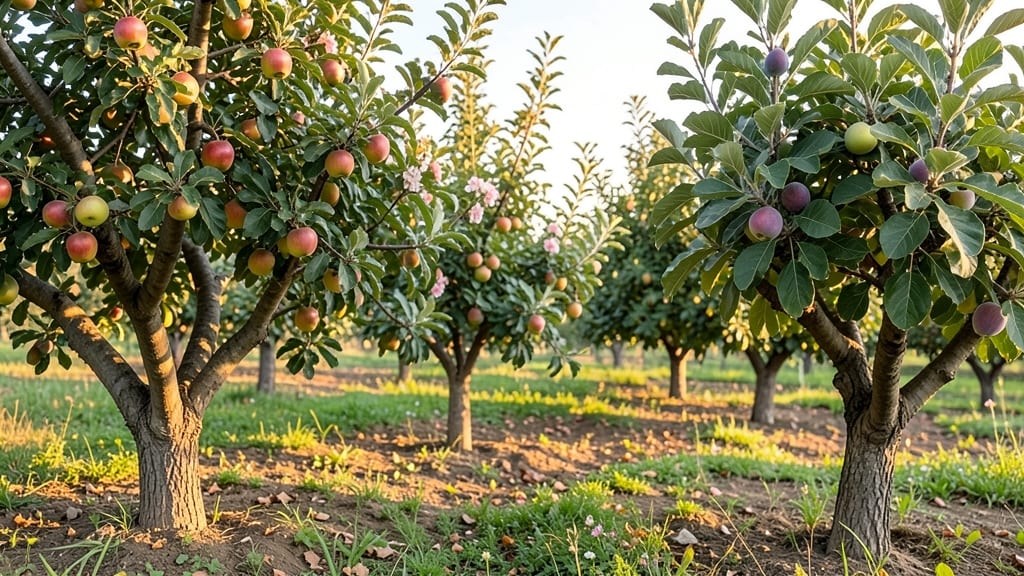
Zone 7A fruit trees can turn your yard into a year-round harvest hub—if you pick the right varieties. 🌳 I’ve grown peaches, plums, and figs here for years, and the secret isn’t just choosing cold-hardy types; it’s timing, soil, and a few smart tricks to beat late frosts.
The payoff? Juicy fruit from summer through fall, with some varieties even bearing into winter.
Peaches like ‘Elberta’ and ‘Redhaven’ thrive here, but they need well-draining soil and a sunny spot. Figs, especially ‘Celeste,’ handle heat and drought once established, while plums like ‘Methley’ produce reliably with minimal fuss.
The key is planting in late winter or early spring, when the ground is workable but frost risks are lower.
You’ll spend less time fighting pests and more time enjoying harvests—think crisp apples in October, sweet peaches by July, and figs that stay fresh until frost. Prune in late winter to shape the tree and remove dead wood, then fertilize in early spring with compost or a balanced fruit-tree mix.
Zone 7A’s biggest challenge? Late frosts. Protect blossoms with frost cloth or a sprinkler system if temps dip below 28°F. With the right care, your trees will reward you for years—some varieties even live for decades. Ready to plant your orchard?
📚 In This Guide
- What you need
- Instructions
- Tips and common mistakes
- Wrapping up and next steps
What you need
- ● Fruit Tree Varieties: Choose cold-hardy options like Apple (e.g., ‘Liberty,’ ‘Akane’), Peach (e.g., ‘Reliance,’ ‘Redhaven’), Pear (e.g., ‘Kieffer,’ ‘Moonglow’), Fig (e.g., ‘Celeste,’ ‘Brown Turkey’), or Persimmon (e.g., ‘Fuyu’).
- ● Soil: 5–10 bags of well-draining compost (e.g., Miracle-Gro Garden Soil or Espoma Organic Compost) to amend clay-heavy or sandy soil.
- ● Fertilizer: 1–2 lbs of balanced organic fertilizer (e.g., 10-10-10 or 5-5-5 NPK) for planting and seasonal boosts.
- ● Mulch: 2–3 cubic yards of wood chips or straw to retain moisture and regulate soil temperature.
- ● Hand Tools: 1 shovel (for digging)
- ● 1 pruning shears (bypass-style, sharp)
- ● 1 grafting knife (if propagating)
- ○ Power Tools (Optional): 1 electric hedge trimmer (for shaping)
- ● 1 wheelbarrow (for moving soil/mulch)
- ● Safety Gear: 1 pair gloves (gardening-grade)
- ● 1 safety goggles (for pruning)
- ● Location: A sunny spot (6+ hours of sunlight daily) with protection from strong winds.
- ● Soil Test: Check pH (ideal: 6.0–7.0) via a home test kit or local extension service.
- ● Water Source: Access to a hose or irrigation system for deep watering (1–2 inches/week).
- ● Permits (if applicable): Verify local regulations for large trees or fruit-bearing plants.
Step-by-step guide to planting and caring for zone 7A fruit trees
Here's how I've successfully planted and maintained a thriving orchard in Zone 7A—varieties that produce year-round and handle our climate beautifully.
🌱 Step 1: Choose the Right Varieties for Zone 7A
Zone 7A's mild winters and hot summers suit fruit trees like peach, fig, persimmon, and plum. I always pick low-chill varieties—like Elberta peach or Celeste fig—because they need fewer than 500 chill hours. Check the USDA Plant Hardiness Zone Map to confirm your specific microclimate.
Dwarf varieties are ideal for small spaces. They bear fruit faster and require less pruning. I've had great luck with Semi-Dwarf Red Haven Peach and Semi-Dwarf Santa Rosa Plum. These stay manageable but still produce abundant harvests. Avoid standard-sized trees unless you have plenty of space—they take longer to fruit and need more maintenance.
🪴 Step 2: Plant at the Right Time and in the Perfect Spot
Plant bare-root trees in late winter or early spring—just before buds swell but before new growth starts. This gives roots time to establish before the heat of summer. Dig a hole twice as wide as the root ball but only as deep—planting too deep suffocates the tree.
Position trees in full sun (at least 6-8 hours daily) with well-draining soil. I always test drainage by digging a hole and filling it with water—if it doesn’t drain within 24 hours, amend with compost or sand. A south-facing slope works best for warmth, but avoid low spots where cold air settles in winter.
☀️ Step 3: Water Deeply and Mulch for Retention
Water newly planted trees deeply once a week for the first 2 months, ensuring moisture reaches 12-18 inches down. Use a soil probe or dig a small hole to check—soil should be damp but not soggy. Overwatering in Zone 7A’s heat causes root rot, so I always let the top 3 inches of soil dry out between waterings.
Spread 3-4 inches of mulch (wood chips or straw) around the base, keeping it 6 inches away from the trunk. This locks in moisture and regulates soil temperature. Replenish mulch annually—it breaks down quickly in our heat. Avoid synthetic mulches; they don’t improve soil like organic matter does.
✂️ Step 4: Prune for Shape and Airflow in Late Winter
Prune trees in late winter (just before buds break) to remove dead, crossing, or inward-growing branches. I use clean, sharp pruners and cut at a 45-degree angle just above an outward-facing bud. This encourages strong growth and prevents disease. Never prune more than 25% of the canopy in one season—it stresses the tree.
Thin out dense areas to improve airflow, which reduces fungal diseases like peach leaf curl. Open the center of the tree so sunlight reaches all branches. After pruning, apply a copper fungicide spray as a preventive measure. Zone 7A’s humidity makes trees vulnerable to fungal issues, so proactive care is key.
🌿 Step 5: Fertilize and Monitor for Pests Year-Round
Fertilize in early spring with a balanced 10-10-10 formula, spreading it 6 inches from the trunk and watering it in. Avoid high-nitrogen fertilizers—they promote leafy growth at the expense of fruit. In late summer, switch to a low-nitrogen, high-phosphorus fertilizer to encourage root development and next year’s bloom.
Watch for common pests like aphids, scale, and borers. I inspect trees weekly during growing season, focusing on new growth and undersides of leaves. A strong spray of neem oil or insecticidal soap handles most issues. For borers, inject beneficial nematodes into the soil—they target larvae without harming the tree.
Tips & tricks for thriving zone 7A fruit trees
A few key insights that'll help your orchard flourish in Zone 7A's unique climate.
Variety Selection: When choosing low-chill varieties like Elberta peach or Celeste fig, verify their exact chill hour requirements—some labeled "low-chill" still need 300-400 hours. I always cross-reference with local gardeners' experiences since microclimates can vary even within Zone 7A. For example, a north-facing slope might get 50-100 extra chill hours compared to a south-facing area.
Planting Depth: The "as deep as the root ball" guideline is crucial—planting too deep suffocates roots by preventing oxygen flow. I mark the root flare (where roots meet trunk) with a pencil before planting, then use this as my reference point. For container-grown trees, remove the top 1-2 inches of soil to find the original planting line.
Watering Strategy: Those first two months are critical for root establishment. I use a 5-gallon bucket with holes drilled in the bottom to deliver water directly to the root zone without wetting the leaves. This prevents fungal issues while ensuring moisture reaches 12-18 inches deep. Check soil moisture by digging a small hole—it should feel like a damp sponge, not a wet rag.
Pruning Precision: When pruning in late winter, look for branches that grow inward at less than a 45-degree angle—they'll eventually cross and create rubbing wounds. I make my cuts just above an outward-facing bud to encourage growth away from the center. For young trees, I remove any branches growing below the graft union to prevent competition with the desired variety.
Pro Tips for Zone 7a Fruit Trees
- A few key insights that'll help your orchard flourish in Zone 7A's unique climate.
- Variety Selection: When choosing low-chill varieties like Elberta peach or Celeste fig, verify their exact chill hour requirements—some labeled "low-chill" still need 300-400 hours.
- Planting Depth: The "as deep as the root ball" guideline is crucial—planting too deep suffocates roots by preventing oxygen flow.
Frequently asked questions
Got questions about growing fruit trees in Zone 7A?
You’re not alone! Here are answers to the most common queries to help you cultivate a thriving orchard.
What are the best low-maintenance fruit trees for beginners in Zone 7A?
Start with apple (e.g., ‘Liberty’), pear (e.g., ‘Moonglow’), or fig varieties like ‘Celeste.’ These tolerate Zone 7A’s climate well, require minimal pruning, and produce reliably. Dwarf varieties (like ‘Columnar’ apples) save space and effort!
When is the ideal time to plant fruit trees in Zone 7A?
Plant in late fall or early spring (November–March) when the soil is workable but not frozen. Avoid summer heat stress. Bare-root trees can go in winter, while container-grown trees thrive in cooler spring soil. Pro tip: Water deeply after planting to reduce transplant shock!
How do I protect my fruit trees from pests like borers or aphids in Zone 7A?
Prevent pests with neem oil (organic) or insecticidal soap sprays. Encourage beneficial insects like ladybugs. Prune regularly to improve airflow, and remove fallen fruit to deter borers. For severe infestations, consult a local extension office for targeted solutions.
Will fruit trees survive Zone 7A winters without extra protection?
Most Zone 7A-hardy trees (e.g., peach, plum, cherry) handle winters down to 0°F. Young trees or tender varieties (like citrus) may need mulch or burlap wraps. Monitor forecasts—cover trees if sudden cold snaps (<10°F) are predicted.
Can I grow fruit trees in containers in Zone 7A?
Yes! Dwarf varieties (e.g., ‘Patio Pearl’ pear) thrive in large pots (15+ gallons) with well-draining soil. Move containers to a sheltered spot in winter. Ensure they get 6+ hours of sun and water consistently. Container trees may need extra fertilizer since nutrients leach faster.
What should I do if my Zone 7A fruit tree isn’t fruiting?
Check for cross-pollination needs (some trees require a second variety). Ensure proper pruning (open canopies = more fruit). Adjust fertilizer (too much nitrogen = leaves over fruit). Finally, assess sunlight—shady spots reduce yields. Patience helps too; young trees may take 2–3 years to bear!
Wrapping up and next steps
Growing fruit trees in Zone 7A is a rewarding journey—packed with delicious harvests and lush greenery! 🌳 From crisp apples to juicy peaches, the right varieties can turn your yard into a year-round orchard. With the proper care, soil prep, and seasonal maintenance, you’ll enjoy homegrown bounty for decades.
Ready to get started? Pick your favorite fruit tree, gather your supplies, and plant with confidence. Whether you’re a beginner or a seasoned gardener, your future harvests are just roots deep away! 🍏✨