
Planting
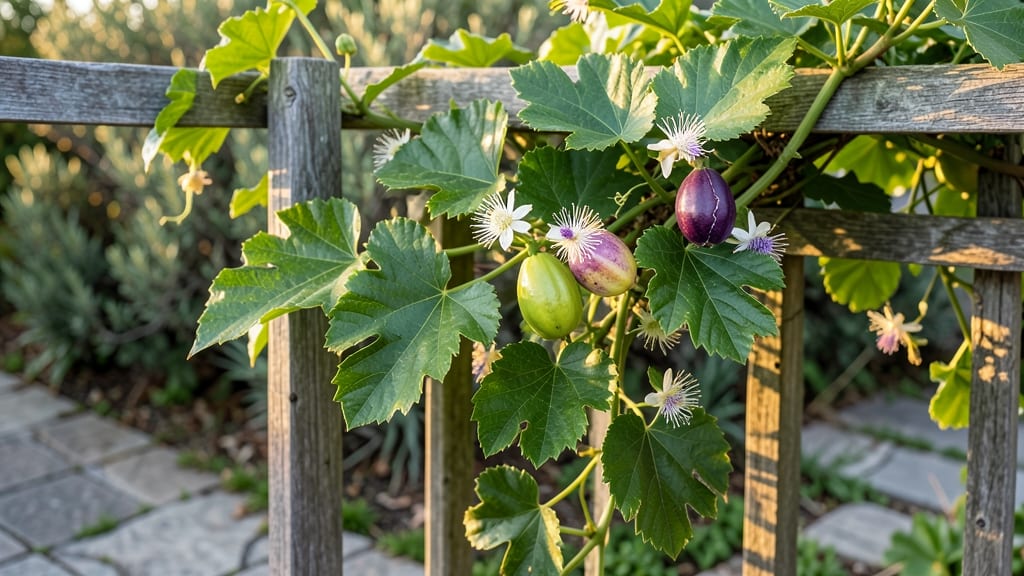
Growing passion fruit in Zone 7 means choosing frost-resistant varieties like 'Panama Yellow' or 'Purple Granadilla,' protecting vines from winter chill, and planting in full sun with nutrient-rich, well-draining soil. Prune back aggressively after dormancy and harvest when fruit ripens to a deep color and gives slightly under gentle pressure.
Zone 7's mild winters and hot summers create ideal conditions for passion fruit—if you pick the right types.
The key is selecting varieties that can handle occasional dips below 20°F, like the hardy 'Panama Yellow' or the tropical 'Purple Granadilla' with its fragrant, purple-fleshed fruit. 🌱 These plants thrive when you mimic their native tropical environments with warm microclimates, like planting near south-facing walls or using black plastic mulch to absorb heat.
The soil prep is just as critical: passion fruit vines demand loose, sandy soil with plenty of organic matter to prevent root rot during summer downpours.
What sets Zone 7 apart is the need to balance winter protection with springtime vigor. Unlike tropical regions, your vines will enter dormancy, so pruning them back by one-third in late winter removes dead growth while encouraging new shoots.
For extra insurance during cold snaps, wrap young vines in burlap or use frost cloths—just remember to remove them once temperatures rise above 50°F to prevent overheating. The payoff comes in summer when your vines reward you with clusters of vibrant fruit that burst with tropical flavor.
💡 In This Article
- Best Passion Fruit Varieties for Zone 7 Climates
- Zone 7 Winter Care Guide for Passion Fruit Vines
Best passion fruit varieties for Zone 7 climates
Zone 7 gardeners face a unique challenge: selecting passion fruit varieties that tolerate occasional 20-25°F dips while still delivering tropical flavors. The two standout options are Passiflora edulis (commonly called 'Panama Yellow') and Passiflora ligularis ('Purple Granadilla').
'Panama Yellow' thrives in Zone 7 because its thick, waxy leaves resist cold damage better than other varieties, while its fruit—bright yellow with sweet, tangy pulp—ripen quickly in summer's heat. 🌿 The Purple Granadilla, though slightly less cold-hardy, offers a stunning visual contrast with its deep purple rind and fragrant, violet-hued interior that's perfect for desserts.
What sets these apart is their growth habit: both varieties climb aggressively (up to 20 feet annually) but require different support structures. 'Panama Yellow' produces more compact vines that work well on trellises or fences, while 'Purple Granadilla' needs stronger support like a pergola due to its heavier fruit clusters.
The key difference lies in their flowering: 'Panama Yellow' blooms prolifically in spring, while 'Purple Granadilla' flowers later but produces fruit that stays on the vine longer, extending your harvest window by 2-3 weeks in Zone 7's shorter growing season.
For gardeners in Zone 7's cooler microclimates (like higher elevations), consider Passiflora coccinea ('Scarlet Runner'), which tolerates 15°F but produces showy red flowers instead of fruit. This variety acts as a great companion plant—its blossoms attract pollinators that boost fruit set in your main passion fruit vines. 🐝 The trade-off?
Scarlet Runner's fruit is small and tart, but its ornamental value makes it worth growing alongside your primary varieties.
Soil preferences also vary: 'Panama Yellow' adapts better to slightly acidic soils (pH 6.0-6.5), while 'Purple Granadilla' prefers neutral to slightly alkaline conditions (pH 6.5-7.5).
This matters because Zone 7's clay-heavy soils often need amendments like 2-3 inches of compost mixed into the top 12 inches of soil to prevent root rot during summer's heavy rains.
The right variety paired with proper soil prep means the difference between a vine that struggles and one that produces 50-100 fruits per season.
Here's what to watch for when selecting: fruit color isn't just about aesthetics—yellow varieties like 'Panama Yellow' ripen faster in Zone 7's hot summers, while purple types need slightly longer on the vine.
The 3-4 inch diameter fruit of 'Purple Granadilla' also makes it easier to spot ripeness (when it turns from green to deep purple and gives slightly under thumb pressure). For maximum yield, plant both varieties—their staggered flowering patterns create a continuous harvest from late June through September.