
Trees
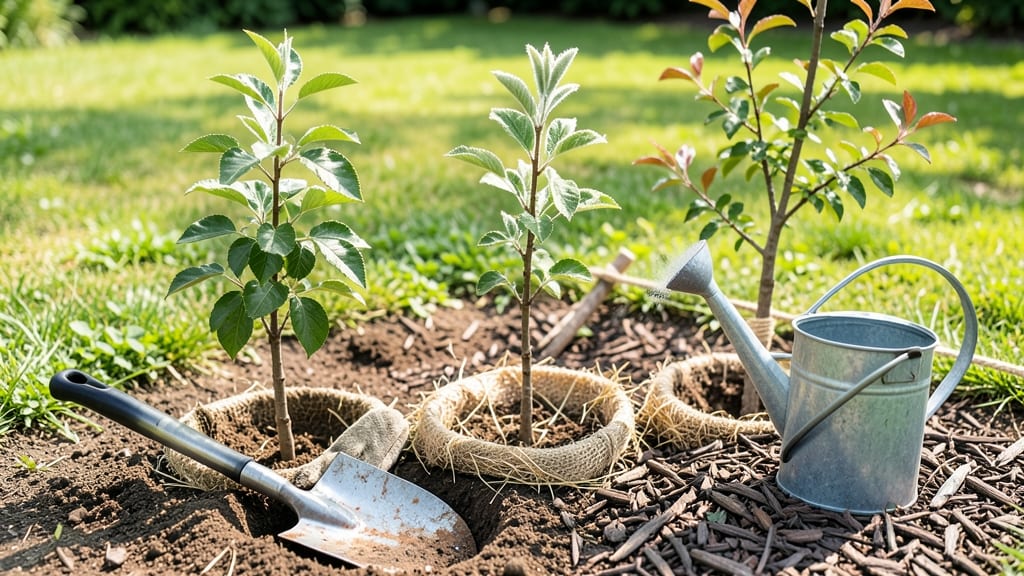
Planting fruit trees in Zone 7 during late winter to early spring sets the stage for strong roots and a bountiful harvest 🍎.
If you’ve ever watched a newly planted fruit tree struggle through summer heat or freeze in an early frost, you know timing is everything. The key is planting when the soil is workable but still cool—usually February through April—so roots establish before the growing season kicks in.
This window isn’t just about avoiding frost; it’s also about giving your tree the best shot at survival in Zone 7’s unpredictable weather. Whether you’re planting bare-root saplings or container-grown trees, the goal is the same: strong root growth before the first flush of leaves.
Below, I’ll break down the exact timing, soil prep, and top fruit tree varieties that thrive in Zone 7—plus the post-planting care that makes all the difference.
Best planting windows for fruit trees in Zone 7’s dormant season
Zone 7 gardeners have a 6-month dormant season—the perfect window to plant fruit trees when roots establish before spring growth. Timing matters: Plant too early, and roots may freeze; too late, and trees struggle to harden off.
The ideal window spans late fall to early spring, with temperature thresholds of 40-50°F soil temps and no hard frosts in the forecast.
In Zone 7a (colder microclimates like the Appalachians), aim for November through March, while Zone 7b (warmer areas like Virginia’s Piedmont) extends planting into late March or early April. Bare-root trees thrive in this window, but container-grown trees offer flexibility if soil is workable.
🌱
| Planting Window | Zone 7a (Colder) | Zone 7b (Warmer) | Soil Temp | Key Consideration |
|---|---|---|---|---|
| Late Fall | November 1–30 | November 15–December 15 | 40–50°F | Avoid frost dates; mulch heavily |
| Winter | January–February | January–February | 35–45°F | Dormant trees tolerate cold; plant on mild days |
| Early Spring | March 1–15 | March 15–April 15 | 50–60°F | Soil workable; 4–6 weeks before last frost |
| Late Spring | Avoid (risk of heat stress) | May (container-grown only) | 60°F+ | Container trees only; provide shade |
For bare-root trees, prioritize November or early spring—these trees establish roots faster in cooler soil. In Zone 7a, November planting gives roots 3 months to harden before winter, while Zone 7b gardeners can extend into March.
Always check local frost dates; aim to plant 4–6 weeks before the last average frost.
Soil conditions are critical: Amend with compost and organic matter to improve drainage, and test pH (6.0–7.0) for optimal nutrient uptake. Microclimates matter—sheltered areas (like south-facing slopes) can handle earlier planting, while frost pockets delay the window by 2–4 weeks.
🌿
Container-grown trees offer flexibility but require soil prep—dig a hole twice as wide as the root ball and 10% deeper to encourage root spread. Water deeply after planting, then mulch with 3–4 inches of organic mulch to retain moisture and regulate soil temperature.
Avoid planting when soil temps exceed 60°F, as roots may dry out.
Peach and nectarine trees prefer early spring planting (March in Zone 7b) to avoid late frost damage to blossoms, while apple and pear trees tolerate late fall planting (November) due to their hardiness. Always research your specific variety—some, like figs or persimmons, thrive when planted in late winter.
🪴
Pro tip: Use a soil thermometer to confirm 40–50°F soil temps before planting. If temps drop below 35°F, delay until conditions stabilize. For urban gardeners, container planting in late winter (February) can work if you provide seasonal shade and consistent moisture.
Post-planting care is just as critical: Water deeply weekly for the first year, and avoid fertilizing until spring growth begins. Prune damaged roots at planting, but save major pruning for late winter the following year to shape the tree.
✂️
How to prepare soil and trees for Zone 7 planting success
Preparing your Zone 7 soil and fruit trees before planting is the foundation for long-term success. In this region, where winters are mild but summers can be hot, your soil must support rapid root growth during the dormant season.
I’ve learned that amending soil too early or too late can backfire—timing matters just as much as technique.
Start by testing your soil pH—most fruit trees thrive in slightly acidic to neutral soil, between 6.0 and 7.0. If your soil is too alkaline, add sulfur or peat moss to lower the pH gradually.
I’ve seen many gardeners skip this step and end up with stunted trees because their soil was too harsh for roots to penetrate.
⚠️ callout warning
Planting fruit trees in late fall (November-December) risks exposing roots to freezing temperatures before they establish. Wait until soil temperatures rise above 40°F (4°C)—typically February to early April—to ensure roots grow actively before dormancy breaks. In Zone 7b, you can push planting to late April, but Zone 7a gardeners should stick to February-March.
✅ Pro Tip: Check soil moisture—it should be damp but not soggy when you plant. Overly wet soil can suffocate roots.
Next, focus on organic matter—compost, well-rotted manure, or leaf mold works wonders. Mix in 2-3 inches of compost into the top 12 inches of soil to improve drainage and nutrient retention.
I’ve had the best results with a 50/50 blend of native soil and compost, which gives roots both structure and food without overwhelming them.
For bare-root trees, soak the roots in water for 1-2 hours before planting to rehydrate them. If you’re planting container-grown trees, gently loosen the roots to encourage outward growth. Both methods help prevent transplant shock, which is a common issue in Zone 7’s variable climate.
Don’t forget to mulch heavily after planting—use 3-4 inches of wood chips or straw to retain moisture and regulate soil temperature. I’ve seen mulch save young trees during Zone 7’s occasional late frosts in March. Just keep mulch 6 inches away from the trunk to avoid rot.
Finally, water deeply immediately after planting and maintain consistent moisture for the first 6-8 weeks. In Zone 7, where summer droughts can stress trees, a drip irrigation system is my go-to for keeping roots happy without overwatering.